


Volunteer Management Best Practices for Nonprofits
Quick Answer: What Strong Volunteer Management Looks Like
Strong volunteer management means every volunteer has a clear role, an easy way to sign up, timely reminders, simple hour tracking, and a visible connection between their time and your mission. The best programs are not built on heroic coordination. They are built on repeatable systems that make scheduling, communication, training, and impact reporting easier for staff and volunteers.
For most nonprofits, the first fix is centralization. Put volunteer profiles, availability, shifts, waivers, training status, reminders, and hours in one place. Then connect that activity to donor records, events, and reporting so leadership can see the real value volunteers create.
| Practice area | What to put in place | Why it matters |
|---|---|---|
| Scheduling | Shared shift calendar, role capacity, waitlists, and backup volunteers. | Reduces last-minute gaps and over-reliance on one coordinator. |
| Hour tracking | Mobile-friendly logs, approvals, and program-level reporting. | Supports grants, Form 990 inputs, donor updates, and impact stories. |
| Communication | Email or text reminders tied to the specific shift or role. | Keeps attendance steadier and lowers manual follow-up. |
| Roles and training | Written expectations, screening level, and completion records. | Protects the organization and helps volunteers feel prepared. |
| Recognition | Milestones, service history, and impact summaries. | Helps retain reliable volunteers instead of constantly recruiting replacements. |
The practical test is simple: can a new coordinator see who is trained, who is scheduled, who showed up, and what impact they created without opening five spreadsheets? If not, your volunteer program is probably carrying unnecessary admin weight.
For hour tracking specifically, see volunteer hour tracking, our guide to nonprofit volunteer hour tracking, and the nonprofit volunteer management software comparison.
For the product workflow behind these practices, see volunteer management software.
Scheduling, Hour Tracking, and Impact Measurement Checklist
If you only improve three volunteer management practices this quarter, focus on scheduling, hour tracking, and impact measurement. Those are the workflows most likely to create coordinator stress, volunteer confusion, and weak grant reporting when they live in separate spreadsheets.
| Workflow | Best practice | What to measure |
|---|---|---|
| Scheduling | Publish roles, capacities, dates, reminders, backup contacts, and cancellation rules in one calendar. | Open shifts, no-shows, late cancellations, repeat volunteers, and coordinator follow-up time. |
| Hour tracking | Let volunteers log hours from a mobile-friendly form, then route unusual entries for staff approval. | Approved hours by program, event, location, volunteer, and reporting period. |
| Impact reporting | Connect service hours to outcomes, donor updates, and board summaries instead of reporting hours alone. | Meals served, families helped, events staffed, grant match value, and stories tied to programs. |
| Retention | Recognize milestones and invite reliable volunteers into better-fit roles over time. | Return rate, average hours per volunteer, inactive volunteers, and recognition touchpoints. |
For implementation details, compare volunteer scheduling software, volunteer hour tracking, and the volunteer management feature workflow.
Managing volunteers often feels like a second full-time job. You juggle spreadsheets for scheduling, chase down hour logs, and try to fill last-minute gaps. This guide offers 10 practical volunteer management best practices to help you build a program that attracts and retains dedicated people, without the headache.
We will show you how to define roles clearly, simplify scheduling, and track impact. These strategies will help you create a system where volunteers feel valued and your mission gains momentum. You can then focus less on paperwork and more on advancing your cause with a reliable team.
1. Bring Everything Into One Place
You can save countless hours by moving away from scattered spreadsheets and email chains. A central system brings all your volunteer activities into one digital home. This gives you a single, reliable source for all volunteer data.

This lets you easily match a volunteer's skills to an urgent need. It also shows you who is available for an event without digging through old emails. It connects recruitment, scheduling, communication, and hour tracking in one place.
Many platforms, like VolunteerMatch or SignUpGenius, are great for scheduling. However, their data often stays separate from your main donor database. Our platform, AlignMint, is different because it is all-in-one. Volunteer data lives with your donor and accounting information, giving you a complete view.
How to Get Started
- Focus on Core Needs First: Start by using the system for basic tasks like volunteer sign-ups and shift scheduling. This helps your team get comfortable with the change.
- Guide Your Volunteers: Create simple, step-by-step instructions to help volunteers set up their profiles and log hours. This reduces support questions and builds their confidence.
- Keep Data Clean: Once a quarter, review your volunteer database. Check for duplicate entries or incomplete profiles to ensure your information remains accurate.
A well-organized system gives you a clear picture of your entire volunteer program. To see how this works, you can learn more about nonprofit volunteer management software.
2. Create Clear Volunteer Roles
You can avoid frustration by providing clear, written descriptions for every volunteer position. Creating detailed roles helps volunteers know exactly what is expected before they sign up. This prevents mismatches later on.
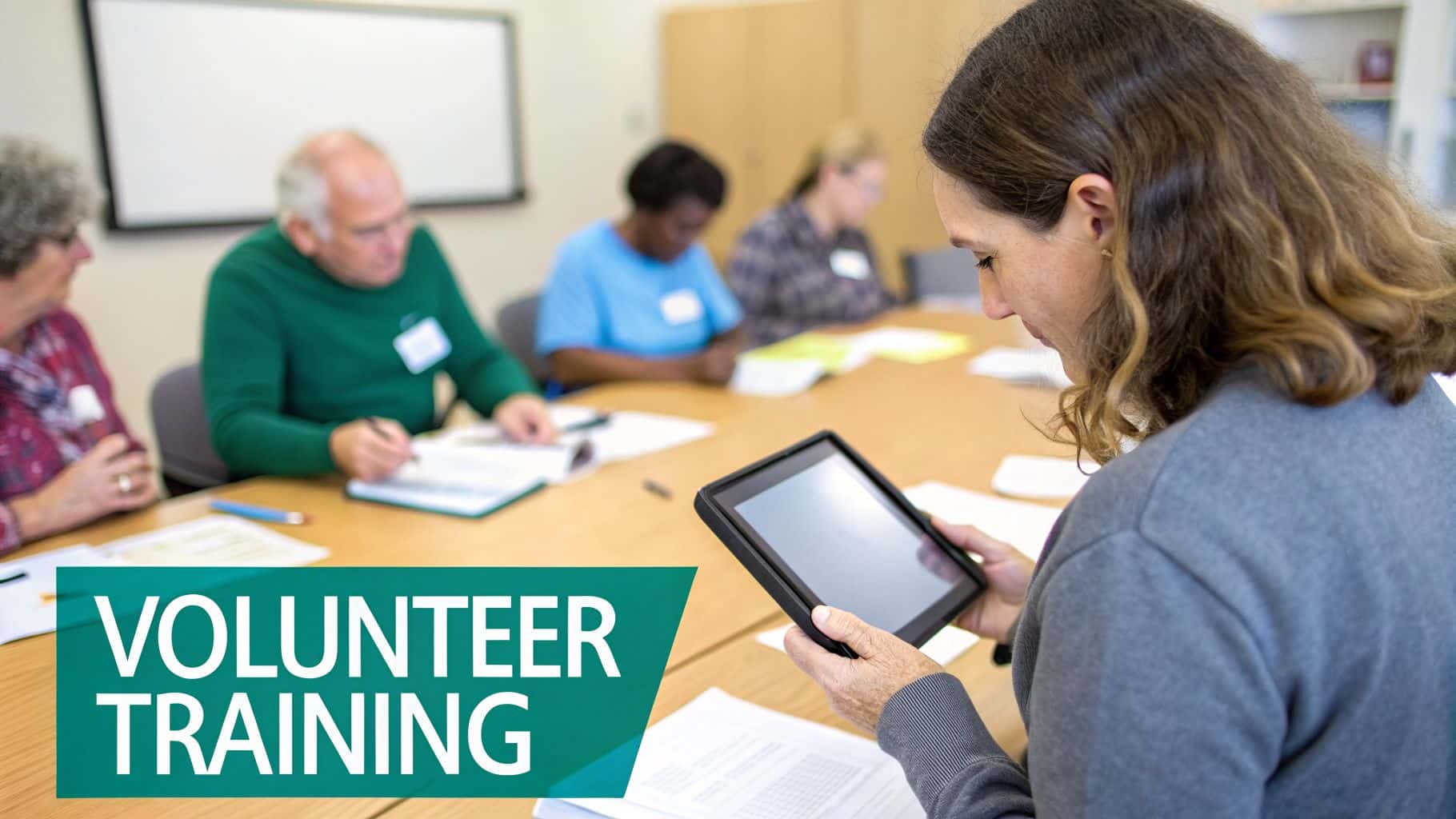
Think of it like hiring a team member. You would not hire an accountant without a job description. A well-defined role helps you attract the right people and sets them up for success.
Clear role descriptions also protect your organization. When expectations are documented, you reduce risk. You create a fair and consistent environment for everyone involved.
How to Get Started
- Involve Current Volunteers: Ask your experienced volunteers for help. They know the roles best and can provide accurate details on daily tasks and necessary skills.
- Outline Key Details: For each role, include the primary duties and the time commitment. Also note any training you will provide and who their main contact will be.
- Review and Update Annually: Make it a yearly habit to review your volunteer role descriptions. This small step keeps them accurate and your recruitment effective.
3. Develop a Simple Screening Process
You can attract better volunteers and protect your organization with a formal screening process. Moving beyond informal chats ensures every applicant is vetted consistently. This protects your clients, your reputation, and your team.

A well-defined process creates a predictable and fair path from application to placement. For example, a youth program can require reference checks and a background screening. This structured vetting builds trust with the community.
A consistent screening process builds a foundation of trust and safety. Documenting your decisions protects your organization. It shows your commitment to responsible volunteer engagement.
How to Get Started
- Create Tiers Based on Risk: Not all roles need the same level of vetting. A one-day event assistant may only need a simple application. A volunteer working with children requires more.
- Establish Clear Criteria: Define and document what qualifies an applicant. Train your team to apply these standards consistently to avoid any perception of bias.
- Track Everything in One Place: Use a single system to manage applications and track background check status. This prevents critical safety checks from falling through the cracks.
4. Provide Thorough Orientation and Training
Your volunteers will feel more confident with a standardized orientation program. This ensures everyone understands your mission, their role, and how to contribute safely. A structured introduction builds commitment from day one.
Think about the difference it makes when a volunteer feels prepared versus lost. Proper training prevents mistakes and reduces risks. It empowers volunteers to make a real impact for your cause.
Well-trained volunteers are more effective and more engaged. When you invest in their development, they invest more of their passion in your mission. They also become long-term advocates for your organization.
How to Get Started
- Offer Flexible Formats: Provide both in-person and virtual orientation options to accommodate different schedules. You can create simple training videos and printable guides.
- Implement a Mentor System: Pair new volunteers with experienced ones. This provides a friendly face for questions and helps newcomers feel connected.
- Track Training Completion: Use your volunteer management system to record who has completed required training. This ensures everyone meets compliance rules before they start.
A structured process gives volunteers confidence. To see how you can manage this, see how integrated church volunteer management helps groups organize their programs.
5. Keep Your Best Volunteers Engaged
You can keep your best people by creating a community, not just a schedule. An intentional strategy to keep them engaged, valued, and motivated is essential. This builds a lasting sense of purpose that keeps them coming back.
Think about the value of a volunteer who recruits friends and promotes your events. This is the result of a strong retention program. Showing the direct impact of their commitment deepens their connection.
When volunteers feel like valued members of a community, they become powerful storytellers. Their continued presence provides stability. It also reduces the constant need for recruitment.
How to Get Started
- Create a Volunteer Advisory Council: Invite a small group of dedicated volunteers to provide input on your program. This gives them a sense of ownership and gives you valuable feedback.
- Celebrate Individual Milestones: Acknowledge service anniversaries or when a volunteer hits a certain number of hours. A personal email shows you are paying attention.
- Share Impact Stories Regularly: Use your newsletter to feature stories showing how a volunteer's work made a difference. Connecting their time to a positive outcome is a powerful motivator.
For recognition language and printable awards, see quotes to thank volunteers and volunteer certificate templates.
6. Show Impact with Hour Tracking
You can show the true value of your volunteers by tracking their hours accurately. Implementing a reliable system to capture their contributions translates their time into measurable results. This is key for demonstrating your impact to donors and grantmakers.
A food bank can turn volunteer hours into the total number of meals distributed. This data provides concrete proof of your effectiveness. It is essential for grant reports, donor updates, and your Form 990.
When you connect volunteer hours to specific outcomes, you create a compelling story. This turns a simple timesheet into a powerful fundraising tool. It is much simpler when your volunteer system is part of an all-in-one platform with true fund accounting.
How to Get Started
- Make Logging Easy: Offer multiple, simple ways for volunteers to log their time, like a mobile app or online form. The easier it is, the more accurate your data will be.
- Set Clear Guidelines: Define what activities count as volunteer time, including training or travel. This consistency ensures your data is fair and accurate across all programs.
- Share the Impact: Regularly calculate and share what the logged hours mean. This shows volunteers their time matters and keeps donors engaged.
Accurate data collection builds a stronger case for support. To explore ways to simplify this, find more on nonprofit volunteer hour tracking.
7. Build Community with Good Communication
You can keep your best volunteers by making them feel like part of a community. Regular, meaningful communication keeps everyone informed, connected, and feeling valued. This is central to retaining good people.
Think about the difference between just getting shift reminders and receiving stories of impact. These actions transform volunteering from a simple task into a shared experience. This strengthens relationships and reinforces each person's importance.
Consistent communication holds your volunteer program together. It shows people their time matters beyond the hours they log. Our built-in marketing suite lets you send targeted emails and newsletters to your volunteers easily.
How to Get Started
- Create a Communication Schedule: Decide on a rhythm for your outreach, like a monthly email newsletter. Sticking to a schedule makes communication a manageable habit.
- Ask for Preferences: During orientation, ask volunteers how they prefer to receive information. Some may want emails, while others might prefer a text message.
- Share Both News and Stories: Keep volunteers in the loop about organizational updates, but also share personal stories. This makes the work feel personal and rewarding.
A solid strategy keeps volunteers engaged. To simplify this, connect volunteer groups to fundraising and marketing tools so shift reminders, thank-you messages, and donor follow-up do not live in separate lists.
8. Evaluate and Improve Your Program
Your volunteer program will become more effective when you learn and adapt. Systematically evaluating your program helps you pinpoint what's working and identify gaps. This helps you direct your resources for the greatest effect.
Think about the confidence you gain when you can clearly connect volunteer efforts to success. For instance, an animal shelter can evaluate which volunteer roles lead to higher adoption rates. Data-driven evaluation turns good intentions into measurable results.
Regular evaluation also builds a case for support. When you can show grantmakers how volunteer contributions advance your mission, you justify continued investment. Our AI assistant, Minty, can help you analyze trends in your data.
How to Get Started
- Ask Actionable Questions: Design simple surveys for your volunteers. Collect feedback on their experience to find areas for improvement.
- Share and Act on Findings: Share survey results with your volunteers. Let them know how their feedback is leading to concrete changes.
- Connect to Mission Impact: Review your data quarterly. Look for trends that connect volunteer activities to your organization's primary goals.
9. Manage Risk and Protect Everyone
You can create a safe environment for everyone by having strong risk management policies. This involves clear procedures that protect your volunteers, the people you serve, and your staff. It is about building a trustworthy program.
This means establishing rules for background checks, training, and incident reporting. For example, a church running a youth group needs strict safeguarding policies. These are essential actions that prevent harm and protect your reputation.
A culture of prevention is always better than handling complaints. Good risk management is proactive, not reactive. It shows your community that you take their safety seriously.
How to Get Started
- Tailor Policies to Your Programs: Your risk management needs depend on who you serve. Programs for children require more intensive screening than a one-day park cleanup.
- Create Clear Incident Protocols: Establish a written procedure for what to do if an incident occurs. Train staff and volunteer leaders on how to document events and who to notify.
- Document Everything: Keep careful records of background checks, training, and signed policy agreements. A system with automated reminders can prevent dangerous compliance gaps.
Clear documentation includes waivers. To simplify this, learn about digital waivers for nonprofits and keep records in one secure place.
10. Match Skills to Your Needs
You can increase your impact by placing the right volunteer in the right role. Systematically matching a volunteer's skills and interests to your needs is highly effective. This approach improves outcomes and boosts volunteer satisfaction.
When you move beyond just filling shifts, you unlock your volunteers' true potential. For instance, a legal aid group can match an attorney volunteer to a relevant case. This intentional placement makes the work more meaningful.
Placing volunteers in roles that use their talents shows you value them for who they are. This respect is the foundation of long-term retention. It also builds your organization's capacity without adding to your payroll.
How to Get Started
- Create a Skills Inventory: During your volunteer sign-up process, include questions about professional skills and personal hobbies. This gives you a database of talents to draw from.
- Update Records Annually: Ask volunteers to briefly review and update their skills profile once a year. This keeps your information current and shows you are invested in them.
- Match Professionals to Projects: When a specific need arises, consult your skills database first. This is often faster than a general call for help.
A clear view of your volunteers' abilities helps you make smarter decisions. You can see how AlignMint's volunteer database makes it easy to tag and search for skills.
Stop Juggling Tools. Start Managing Your Mission.
We have explored the core practices for effective volunteer management. It is about honoring the time and talent each person brings to your organization. When volunteers feel seen and valued, their contributions multiply.
The difference between reading about these practices and living them lies in your systems. Many nonprofits use a mix of spreadsheets, email, and scheduling tools. But this approach creates hidden costs in manual data entry and missed connections.
The most critical takeaway is this: your volunteer data should not live on an island. Its true power is unlocked when it connects directly to your donor information and financial records.
Key Insight: When you can instantly show a major donor how many volunteer hours their gift supported, or include precise in-kind contribution values on a grant report without touching a calculator, you are operating at a higher level. This is the goal.
Unifying Your Efforts for Greater Impact
Think about the practices we covered. A central system is about making sure your volunteer, donor, and financial data speak to each other automatically. This is what an all-in-one platform provides.
- For Recruitment: A new volunteer's information flows directly into your central contact record, not a separate list you have to import later.
- For Reporting: Tracking volunteer hours automatically calculates their financial value, ready for your Form 990 or grant applications.
- For Recognition: You can see who is both a recurring donor and a dedicated volunteer in a single view, allowing for more personal appreciation.
This is the essence of modern, effective volunteer management. It is about adopting a smarter, more integrated approach that gives you back your time. Time you can then reinvest into your people and your mission.
Related: Volunteer management software guide · Volunteer management feature page · Volunteer hour tracking template · Free templates & resources
Frequently Asked Questions
Ready to try AlignMint with your nonprofit?
Start free — set up donor tools, giving pages, and Minty. Upgrade when you need accounting.