

Top Fundraising Speech Examples for Nonprofit Success
For related tools, see nonprofit fundraising software and donor management.
Quick Answer: Top Fundraising Speech Examples for Nonprofit Success
The best fundraising speech starts with one human story, explains the need in plain language, and ends with one specific giving action. Strong speeches also match the follow-up process behind the scenes: pledge tracking, recurring gifts, restricted fund coding, and thank-you messages should be ready before anyone steps to the podium.
Your Words Have Power. Let’s Make Them Count.
You’re standing near the podium, glancing at your notes, wondering whether this speech will land. You know your mission. You know the need is real. What’s harder is saying it in a way that moves people from polite attention to real action.
That pressure is normal. In 2024, Americans donated $592.50 billion to charity, and individual giving still made up the largest share of support, which is why direct donor appeals still matter so much to nonprofit leaders (Kindsight fundraising statistics). Your words still carry a lot of weight.
The good news is that strong fundraising speech examples usually follow a few repeatable patterns. They start with one human story, connect that story to a clear need, and end with one specific next step. They don’t drown people in facts, and they don’t leave the audience guessing what to do next.
This guide gets to the point quickly. You’ll find editable fundraising speech examples for common nonprofit situations, plus delivery advice, call-to-action options, and practical notes on what has to happen after the speech, from pledge tracking to restricted fund reporting. That last part matters more than many people admit. A moving speech helps. A clean follow-up process closes the loop.
If you’ve ever had a room nod along and then fail to give, you already know the difference.
1. The Gala: Mission-First Impact Speech
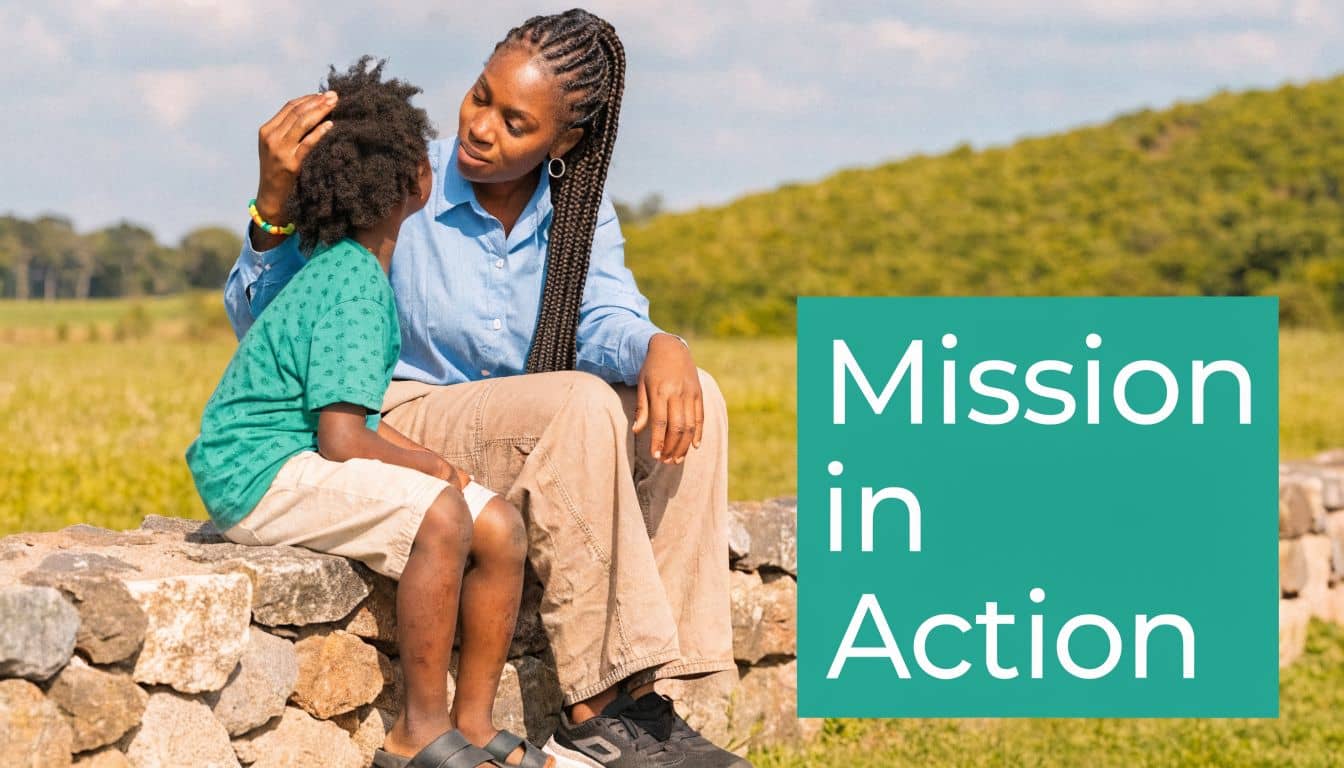
You have three minutes, the auction is running long, and the room is split between people who know your work well and people who came because a friend filled the table. In that setting, the right speech does one job. It helps guests feel one person’s reality, then gives them a clear reason to give before the evening moves on.
Start with a single story your audience can carry out of the ballroom. At a food bank, that may be one parent figuring out how to feed two kids through the weekend. At an arts nonprofit, it may be one student who stopped hiding in the back row and started performing. At an animal shelter, it may be one adoption story that shows what care and time can change.
Here’s a version you can adapt:
Good evening, and thank you for being here. Tonight, I want to tell you about one family we met this spring. They came to us at a moment when the cupboard was nearly empty and hope was running low. Because this community showed up, they didn’t leave with advice. They left with groceries, support, and a plan for the next week. That’s what your support does. It turns a hard night into a manageable one. Tonight, we’re asking you to help create more moments like that.
That format works because it gives donors something concrete to remember. At a gala, people rarely repeat your budget numbers on the drive home. They repeat the story, and the story carries the ask.
What to say after the story
The transition matters. If you jump straight from an emotional moment into line items and operating percentages, you lose the room.
Use a short bridge that ties the story to a present need and one specific action:
- Connect gift to outcome: “A gift tonight helps fund the next round of meals, lessons, counseling visits, or shelter nights.”
- Name the current pressure: “We are serving more families this month, and the need is not easing.”
- Make the ask direct: “If this story stayed with you, please give tonight.”
- Set a giving path: “You can make a one-time gift, make a pledge before you leave, or join our monthly donor group.”
That last point is often missed. A gala ask should not rely on one giving option. Some guests will respond to a paddle raise. Others will give more if they can pledge over several months or route the gift through a donor-advised fund. Build those paths before anyone steps to the podium.
Your speech also has to match your follow-up process. If you mention a monthly giving option, the form, CRM, and acknowledgment flow need to support it that night. If you invite multi-month pledges, someone on your team needs a clear process for reminders, payment schedules, and restricted fund coding. That is where back-end operations make the difference. The speech sets intent. Clean pledge tracking, gift entry, and impact reporting turn that intent into collected revenue and donor trust.
If you are still coordinating event promotion, table hosts, ticketing, and donor follow-up across separate tools, fix that before gala season. A connected setup makes it much easier to tie RSVPs, giving activity, and post-event stewardship together. Our guide on how to promote a nonprofit fundraising event can help with the front-end planning.
What works and what falls flat
The strongest gala speeches are warm, specific, and disciplined. They sound human. They also respect the clock.
Practical rule: Tell one story well, widen the lens briefly, then ask for one clear action.
What falls flat is familiar. Leaders try to cover every program, every county served, every staffing challenge, and every future plan in a few minutes. The result is polite applause and a softer ask. A gala audience does not need a full organizational tour. They need a believable story, a reason to give now, and confidence that your team will use the money as promised and report back clearly.
2. The Capital Campaign: Challenge Grant Speech
You have three minutes at the podium. The room already knows the campaign exists, but they are still asking themselves two practical questions: why now, and why this project? A challenge grant answers both, if you present it clearly and your team can track the commitments that follow.
Capital campaign speeches need steadiness. People are considering a large, often restricted investment. They want confidence that the project is real, the plan is disciplined, and the deadline means something.
A speech for this setting might sound like this:
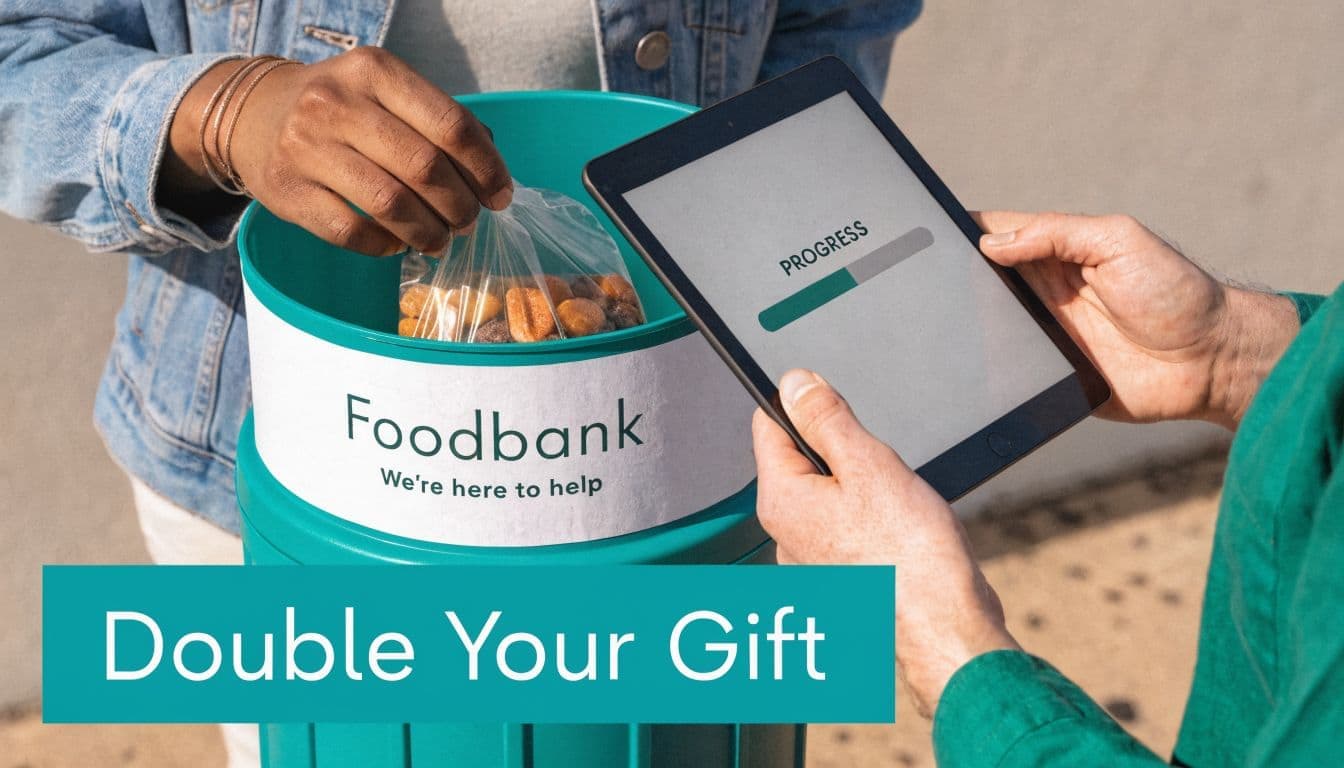
Thank you for being part of this moment. We have reached a turning point in this campaign. A lead donor has committed to match new gifts made during this campaign period. That means a gift made now carries added weight for this project. We have the plans, the budget, and the purpose. What we need tonight is a group of people willing to help us finish what we have carefully started.
Make the match concrete
The fastest way to lose credibility is to talk about the challenge grant in vague terms. Donors should leave knowing what the money funds, what counts toward the match, and what happens if the goal is met.
Use specifics like these:
- Name the project: “This campaign funds the renovation of our counseling wing.”
- Connect it to outcomes: “The added space gives families more privacy and shortens wait times.”
- Explain the timing: “The match applies to new campaign gifts made by June 30.”
- Clarify the ask: “You can give today, or make a pledge we can document tonight and schedule over the coming months.”
That last line matters more than many leaders expect. In a capital campaign, the audience often includes people who can give generously, but not all at once. If you only ask for immediate gifts, you leave money on the table. If you invite pledges, your follow-up process has to be tight.
Delivery matters as much as wording
A challenge grant speech should sound measured, not dramatic. Speak a little slower than you would at a gala. Pause after the match details. Repeat the deadline once. Then give one direct call to action.
Three CTA variations usually work well:
- For a room of longtime donors: “Tonight, I’m asking you to make a campaign commitment that fits your capacity and helps us close this gap.”
- For a mixed audience: “If this project reflects the kind of community you want to build, please make a gift or pledge before you leave.”
- For a board-led event: “Board members and campaign volunteers are ready to record commitments tonight and answer questions about payment timing or gift structure.”
That gives people a path. It also reduces the quiet confusion that slows down giving after the speech.
The back-end has to match the promise
Challenge campaigns create operational complexity fast. Staff have to record the donor’s intent, the restriction, the pledge schedule, the match eligibility, and the acknowledgment correctly. If any of that is fuzzy, the speech creates excitement that finance and development have to untangle the next morning.
I have seen this go wrong in very ordinary ways. A donor thinks their pledge counts toward the match, but the written terms say only cash received by a date qualifies. A family foundation gives through a donor-advised fund, and the team is not sure how to code the restriction. A campaign volunteer writes down a verbal pledge, but no one enters the schedule, so reminders never go out.
A connected system helps because the speech is only the front end. The main work starts when gifts come in. Your team needs one place to log campaign pledges, flag matching eligibility, assign restrictions, and produce clean follow-up reports for leadership and donors. If grant funding is part of the capital stack, the same discipline applies to milestones, documentation, and reporting. This overview of grant management best practices for tracking restricted funds and reporting deadlines is a useful reference.
Thank the matching donor publicly, but keep the project and the people it serves at the center.
That is the trade-off. Mention the match enough to create urgency, but do not let the room remember only the donor who offered it. A good capital campaign speech gets commitments. A good operating setup turns those commitments into collected revenue, accurate reporting, and a campaign your team can talk about with confidence six months later.
3. The Church Appeal: A Call to Stewardship
Sunday morning ends. The message connected, people are attentive, and now the giving appeal has to do two jobs at once. It needs to invite generosity without making the church sound like it is passing around a shortfall.
That balance matters more in a church than in almost any other fundraising setting. People are giving as an act of faith, trust, and participation in shared ministry. The speech should sound like a call to faithful action, with enough specificity that members know what their gifts support.
A stewardship appeal can begin this way:
Church family, thank you for the ways you already serve, pray, and give. Our ministry depends on ordinary faithfulness shown week after week. Today, I’m asking you to consider one more way to take part. Your giving supports the ministry we share together, from care for families in crisis to ministry with children, students, and neighbors.
Put ministry outcomes in front of line items
“Support the general fund” is technically correct. It is rarely persuasive.
People respond better when they can connect giving to ministry they recognize. Name what happens because the church gives. Meals are delivered. Students go to camp. Counseling is available. The building stays open for worship, recovery groups, and midweek care.
Clarity also protects trust. In church settings, designated giving matters. If members give to missions, benevolence, youth ministry, or a building fund, they expect those gifts to be tracked and used as promised. That is partly a speech issue and partly an operations issue. If your team needs a cleaner process for designated gifts, recurring donations, and reporting by fund, this guide on how to track tithes and offerings is a practical place to start.
I would also make the response options explicit before the service ends. Churches lose gifts when the appeal is clear but the next step is fuzzy, or when no one follows up on a pledge, recurring setup, or designated commitment during the week.
Give people more than one faithful next step
A strong church appeal does not force every person into the same response. Some members are ready to give today. Some can commit to monthly giving. Others need a serving opportunity they can say yes to right now.
Use language like this:
- Give today: “You can give during the offering, online, or by text.”
- Start recurring support: “If regular giving helps you plan, set up a monthly gift and support ministry throughout the year.”
- Serve: “If money is tight right now, join us in food outreach, children’s ministry, or care visits.”
- Share the need: “Tell one other person why this ministry matters and invite them to pray or participate.”
That approach works because it respects the room. A single parent, a retiree on fixed income, and a business owner may all want to respond faithfully, but not in the same way.
Delivery matters, too. Keep the tone steady. Avoid apology, pressure, and budget language that sounds defensive. If there is a real need, state it plainly. If there is a defined goal, say what it is. Then explain what your finance and ministry teams will do after the gifts come in: record them correctly, honor restrictions, acknowledge them promptly, and report back on impact.
That last part is where many church appeals break down. The speech goes well, but the back office cannot easily separate designated funds, recurring gifts, event revenue, and sponsor commitments from special campaigns. If your church also runs outside fundraising events, the same discipline applies there. Live Tourney's sponsorship package advice is a useful reference for structuring sponsor offers clearly before those commitments reach your books.
A stewardship speech should leave people with confidence, not guilt.
Say what the church is called to do. Show how giving supports that work. Then make sure your systems can track the response with the same care you used in the room. That is how a church appeal becomes more than a moment. It becomes accountable ministry.
4. The School Fundraiser: Parent & Community Speech
School fundraising speeches work when they keep the student in focus. Parents, alumni, grandparents, and local supporters usually don’t give because a spreadsheet looks strained. They give because they can picture what a student gains.
That might be a safer playground, a stronger arts program, updated classroom technology, travel for a robotics team, or scholarships for families who need help. The speech should name the benefit in plain English.
Here’s a model opening:
Thank you for showing up for our students. Every family here wants children to learn, belong, and grow with confidence. The campaign we’re launching tonight supports that daily experience. It will help us improve the spaces, tools, and opportunities that shape what students can do each day.
Bring in one student or teacher voice
A principal can carry the ask, but another voice often makes it more credible. A teacher can describe what students need. A student can describe what the program changed for them. That kind of handoff breaks up the speech and makes it feel less institutional.
For schools especially, visuals help. Show the worn playground. Show the crowded music room. Show the library corner that could become something better. Then explain how giving solves the problem.
Online giving should also be easy. If someone hears your speech at back-to-school night or a community event, they shouldn’t have to hunt for the donation page later. We’ve seen schools do better when campaign pages are simple, branded, and tied directly to the right fund. Our page on school fundraising tools shows how that can work without forcing staff into extra manual entry.
If you’re planning a golf outing or another sponsor-driven school event, Live Tourney’s sponsorship package advice is also useful for thinking through sponsor visibility and package structure.
Keep the ask future-focused
A school audience responds better to aspiration than anxiety. You can acknowledge budget pressure, but don’t build the whole speech around shortfall.
Try this structure:
- Current reality: “Our students are learning in spaces that need attention.”
- Better future: “This campaign will create a stronger environment for reading, movement, art, or athletics.”
- Direct ask: “Please give tonight so students benefit this year, not years from now.”
One practical note matters here. If your campaign has several purposes, separate the funds clearly. A playground gift shouldn’t disappear into a broad operating bucket. True fund accounting helps schools keep those promises without a tangle of work later.
5. The Volunteer Recognition: The You Are the Mission Speech
This speech is not mainly about money. It’s about retention, belonging, and respect. Done well, it can also deepen future giving because volunteers who feel seen often become your most committed advocates.
The tone should be warm and concrete. Generic thanks won’t carry much weight. Name what volunteers did. Mention the food pantry shift lead who never misses a Friday. Mention the board member who also stuffs envelopes. Mention the event volunteer who stays late without being asked.
A short opening can be as simple as this:
Tonight is about gratitude. Our volunteers give time, skill, patience, and presence. You make the mission visible in ways no brochure can capture. When people walk through our doors, they meet you before they understand anything else about us.

Specificity is the whole point
If you have volunteer data, use it. If you don’t, don’t invent precision. Talk about patterns you know are real. “You kept our events running.” “You covered after-school tutoring.” “You made the building feel welcoming.”
A speech like this can still include a soft financial ask, but don’t make that the centerpiece. The room knows if you’ve disguised a donation pitch as an appreciation event.
The cleanest volunteer recognition speeches say, “We saw what you did,” not, “Now please do one more thing.”
If you do include an ask, keep it gentle and optional:
- For current volunteers: “If you’d also like to support this work financially, we’d be grateful.”
- For future service: “If you know someone who’d make a strong volunteer, invite them in.”
- For advocacy: “Share this mission with people who care about this community.”
Why your records matter here too
Volunteer appreciation gets easier when your system tracks service history, interests, and roles. Otherwise, recognition stays broad because no one can pull the details. That’s one reason we built volunteer records into the same platform as donor records. It helps staff see the full picture of who gives time, who gives money, and who might be ready for a larger role.
If you want language ideas for cards, events, or short remarks, our post on quotes to thank volunteers can help.
This is also one place where software comparisons are fair to mention. Tools like Bloomerang and DonorPerfect do donor tracking well for many organizations. But when volunteer management sits elsewhere, your appreciation can become fragmented. One system for both makes your message sharper because the facts are easier to gather.
6. The Online Video: A Quick, Direct Appeal
Short video appeals are their own category. They are not mini gala speeches. If you use the same pacing, people scroll past.
For social and email, you need one problem, one speaker, and one ask. Fast. The first sentence has to carry the full weight.
Here’s a workable script:
We need your help today. More families are coming to us for support, and we need to respond now. A gift today helps us meet that need quickly. Click the link and give now.
That may sound almost too simple, but simplicity is the point. This format is built for attention that disappears quickly. One research summary noted a gap in available examples for small and mid-sized nonprofits using digital and hybrid formats, especially very short appeals built for channels like text and video (short donation message examples).
What short video needs to do well
Your online video should answer four questions in under a minute:
- Who’s speaking: Executive director, program lead, board chair, or beneficiary.
- What’s needed: One urgent and understandable need.
- Why now: A timely reason to act.
- What to do next: Click, text, give, register, or share.
Captions matter because many people watch with sound off. Good lighting matters because muddy visuals make the whole organization feel less trustworthy. Clear audio matters because people will forgive a simple background, but they won’t sit through muffled speech.
Keep the back-end clean
Digital appeals are where disconnected tools start to hurt. A donor clicks from your email, gives on one page, receives a delayed receipt, and never gets tagged to the right campaign. Staff then tries to reconcile the whole thing later. That’s not just annoying. It weakens follow-up.
We built our marketing suite to keep those pieces together, including Video Blast, email, text, donor records, and accounting. The point isn’t “more tech.” The point is less cleanup after the ask. If someone watches a video and gives, you should be able to see that path without exporting three reports.
Blackbaud and Mailchimp both have real strengths in their own lanes. The challenge for smaller organizations is often the handoff between systems. That handoff is where short campaigns lose momentum.
7. The Board Meeting: Financial Transparency Speech
A board speech is still a fundraising speech in one important sense. You’re asking for confidence. Sometimes you’re also asking for approval, patience, or support for a difficult decision. The difference is that your audience expects evidence, discipline, and candor.
This is not the place for a soaring emotional close with no numbers behind it. But it’s also not a license to drown everyone in line items.
A good board update sounds like this:
We ended the quarter with real progress in key program areas and pressure in a few expense lines we need to manage carefully. Our cash position remains stable, restricted balances are being monitored closely, and we have a clear plan for the next reporting period. Tonight, I want to show you where we stand, what needs attention, and what decisions I’m asking you to support.
The speech should translate finance into mission
Board members don’t all speak accounting fluently. Even strong board members can get lost in reports if the narrative is weak. You need to interpret the numbers.
Use simple framing:
- State the fact: “This program ended ahead of budget.”
- Explain why it matters: “That gives us room to support demand in another area.”
- Name the decision: “I’m asking the board to approve the revised allocation.”
Systems are paramount. If your team is still stitching together CRM exports, bank reports, and QuickBooks entries, board prep takes too long. QuickBooks is familiar and capable for many businesses, but nonprofit leaders often still need additional work to produce fund-based reporting and Statement of Functional Expenses detail in the format the board expects. We built AlignMint to close that gap with true fund accounting, donor records tied to finance, and board-ready reporting from the same data set.
Confidence comes from clarity, not polish
You don’t need a glossy presentation. You need a clean one. Show the trends that matter. Explain variances plainly. Be honest about risk.
Boards forgive hard news much faster than fuzzy news.
If a restricted fund is under pressure, say so. If a grant reimbursement is delayed, say so. If your donor retention is weakening, bring that up with a plan attached. The board would rather hear a difficult truth than discover later that staff softened it.
This speech also helps your future fundraising. A board that trusts the financial picture is more willing to advocate, open doors, and make their own gifts with conviction.
8. The Grant Pitch: Problem-Solution-Action Speech
Grant pitches ask for disciplined persuasion. You still need a human case, but the emotional register is lower and the logic threshold is higher. A foundation officer or review panel wants to know whether you understand the problem, whether your approach is credible, and whether you can report clearly on what happens next.
A practical structure is simple:
The problem is clear in our community. We see it every week through the families and partners we serve. Our organization has built a response that is focused, practical, and ready to expand. We’re seeking support for the next phase so we can deliver that response with consistency and document the results responsibly.
Keep the argument tight
In a grant pitch, too much inspiration can weaken your case. If the story takes over and the implementation remains fuzzy, the pitch feels underdeveloped.
A stronger version usually includes:
- Problem: What’s happening, for whom, and why it matters.
- Solution: What your organization does that is concrete and credible.
- Action: What the requested funding will pay for.
- Reporting: How you’ll track restricted spending and progress.
A useful case study comes from the Community Hope Foundation. It used emotional beneficiary stories inside a broader fundraising strategy and, after 12 months, reported a 35% overall donation increase, monthly donors growing from 400 to 600, and recurring revenue rising to $420K per year (Community Hope Foundation case study). The speech lesson is not “copy their script.” It’s that story works best when paired with clear structure and measurable follow-through.
Foundations want confidence in your reporting discipline
Many organizations sound strong in the room but stumble after the award. If grant funds must be tracked separately, you need a system that can do that without staff building a workaround every month.
That matters for schools, churches, and fiscal sponsors in particular. Fiscal sponsors often need project-by-project visibility and consolidated reporting at the same time. If those records live in separate tools, reporting gets slower and trust gets thinner.
For this kind of speech, avoid broad lines like “your investment will change lives” unless you quickly follow with what that investment supports. Grantmakers are usually more persuaded by specifics, responsible stewardship, and a believable plan than by dramatic language alone.
8-Point Fundraising Speech Comparison
Use this table to match the speech to the moment, the room, and the follow-up your team can support. A strong script helps, but the better choice usually comes down to capacity. If your staff cannot track pledges, code restricted gifts correctly, or report back quickly, the most persuasive speech in the room will still create avoidable cleanup later.
| Speech Type | Implementation Complexity | Resource Requirements | Expected Outcomes | Ideal Use Cases | Key Advantages |
|---|---|---|---|---|---|
| The Gala: Mission-First Impact Speech | Medium, needs polished storytelling and rehearsal | Moderate, program data, speaker prep, event time | Strong emotional engagement; increased giving and trust | Annual galas, donor dinners, organizations with measurable outcomes | Emotional resonance; clear impact demonstration; focused ask |
| The Capital Campaign: Challenge Grant Speech | Medium to high, coordination with lead donor and timeline | High, large matching gift, campaign materials, real-time tracking | Urgency-driven gifts; accelerated progress toward a defined goal | Capital campaigns, year-end pushes, project-based fundraising | Doubles donor impact; social proof; drives momentum |
| The Church Appeal: A Call to Stewardship | Low to medium, pastoral delivery and value framing | Low, sermon prep, testimonies, budgeting clarity | Strengthened recurring giving; deeper congregational commitment | Churches, congregational stewardship drives, faith-based projects | Aligns with values; builds culture of generosity; community focus |
| The School Fundraiser: Parent & Community Speech | Low to medium, clear, concrete messaging and visuals | Moderate, student/teacher involvement, visuals, donation setup | Funding for specific student-focused projects; strong local buy-in | PTA events, school fundraisers, alumni and community appeals | Highly relatable; measurable student impact; builds on parental support |
| Volunteer Recognition: "You Are the Mission" Speech | Low, gratitude-focused, minimal fundraising pressure | Low, volunteer data, recognition logistics | Improved volunteer retention and morale; potential soft gifts | Volunteer appreciation events, annual meetings, large volunteer bases | Deepens relationships; reinforces appreciation culture; boosts retention |
| The Online Video: A Quick, Direct Appeal | Low, concise scripting and tight production | Low to moderate, short video production, captions, distribution plan | Fast, measurable responses; wide reach; immediate donations for urgent needs | Social media campaigns, Giving Tuesday, emergency appeals | Shareable and cost-effective; clear CTA; high measurability |
| The Board Meeting: Financial Transparency Speech | High, detailed financial analysis and clear narratives | High, accurate accounting, board-ready reports, visuals | Greater board confidence, approvals, stronger governance | Board and finance committee meetings, institutional funder briefings | Builds trust; fulfills fiduciary duty; links finances to mission impact |
| The Grant Pitch: Problem‑Solution‑Action Speech | High, rigorous research and structured proposal | High, data, pilot results, detailed budget and metrics | Secured restricted grants; accountability and measurable results | Foundation pitches, corporate partnerships, impact investors | Persuasive to analytical funders; clear ROI and measurable outcomes |
A few patterns matter in practice.
Low-complexity speeches are often easier to deliver, but they still need a clean response path. A church appeal or online video can bring in a burst of small gifts, recurring signups, or volunteer interest. If those responses land in separate spreadsheets, inboxes, and payment tools, staff loses time right when donor intent is strongest.
High-complexity speeches usually ask more from operations than from the speaker alone. Capital campaigns, board presentations, and grant pitches require clean numbers, fund-level tracking, and a reporting cadence people trust. Those are not speechwriting details, but they shape whether the appeal works after the room goes quiet.
That is the key comparison. The best speech is the one your organization can deliver well, follow up on quickly, and report on clearly.
Beyond the Applause: Turning Words into Action
The room is with you. People nod during the story, the paddle raise goes well, and several donors pull out their phones before you leave the stage. Then the main test starts. Can your team capture each gift, code it correctly, send the receipt, and follow up while the donor still remembers why they said yes?
That is where good speeches often break down. The problem usually is not the wording. It is the operating plan behind the ask.
A pledge card sits in a stack until Monday. A QR code sends donors to a generic form that does not match the campaign. A restricted gift comes in, but no one is fully sure which fund should receive it. A volunteer signs up after a recognition speech, yet their information never reaches the person managing shifts. Donors may not see those internal misses, but they do notice late thanks, unclear acknowledgments, and reports that never quite match the appeal they heard.
As noted earlier, many donors give only occasionally. That raises the stakes on every speech. Each ask needs a clear response path, and each response needs fast, accurate follow-through.
The practical fix is to build the speech and the back-end process together. Before anyone steps to the mic, decide what action you want, where that action will be recorded, who owns follow-up, and what the donor will receive next. If the speech asks for pledges, set up pledge tracking in advance. If the appeal invites designated gifts, make sure finance can post those gifts to the right fund without cleanup later. If the call to action points to an online form, confirm that donor records update immediately and the acknowledgment reflects the specific campaign.
This is the part many templates miss. A useful fundraising speech framework does more than shape the opening story and final ask. It also covers delivery choices, call-to-action variations, and the operational handoff after the room goes quiet.
All-in-one systems help because they reduce the handoff risk. A gift entered at an event can trigger a receipt right away. The donor record can update without duplicate entry. Finance can see the same transaction development sees. Campaign totals, pledge balances, volunteer responses, and follow-up activity stay in one place instead of spreading across inboxes and spreadsheets.
That changes how leaders speak. An executive director can make a direct ask with more confidence when the reporting process is already set. A church leader can invite designated giving knowing those funds will stay properly separated. A school can promote a specific need and confirm that gifts were posted to the right campaign. A fiscal sponsor can keep project activity distinct and still report from one system.
I have seen the trade-off up close. Specialized tools often do one job well. QuickBooks is familiar. Bloomerang is strong for donor management. Blackbaud offers depth. Mailchimp handles email. The strain shows up between tools, where staff exports data, rekeys gifts, checks coding, and tries to reconcile two or three versions of the same donor action. That extra labor usually lands on already stretched teams.
Connected systems improve more than efficiency. They improve trust. You thank people faster, report impact with less scrambling, and give boards cleaner numbers. The speech does its job because the organization does its job after the ask.
If you’re tired of juggling QuickBooks, a separate CRM, scattered event tools, and manual follow-up, AlignMint is worth a look. We bring fund accounting, donor management, volunteers, events, marketing, online giving pages, and Minty into one place, with plan-based user allowances (1 on Free, up to 10 on Plus, up to 25 on Pro, and unlimited on Enterprise) and a free tier for nonprofits under $100K, so your next fundraising speech ends with clean records, timely follow-up, and a stronger case for the next ask.
Ready to try AlignMint with your nonprofit?
Start free — set up donor tools, giving pages, and Minty. Upgrade when you need accounting.