
Nonprofit Marketing & Event Hire
Quick Answer: Nonprofit Marketing & Event Hire
Hire a marketing and event coordinator: interview questions, salary bands, and scope so one person can own campaigns and galas without burning out fast. The sections below walk through practical steps, examples, and what to watch for.
For related tools, see fundraising, planning events for nonprofits, and nonprofit fundraising tools. A great marketing and event coordinator is the person who turns your mission into a message the community can feel. They are the bridge between what you do and the supporters who make it possible. This role is key to building relationships that grow your nonprofit.
What This Role Really Means for Your Nonprofit
As a nonprofit leader, you are pulled in many different directions. Hiring a coordinator is a direct investment in your growth. This person handles the time-consuming outreach and event logistics, freeing you to focus on strategy.
They are your storyteller, your planner, and your relationship-builder in one. One day they might design a flyer for a food drive. The next, they are on the phone with a venue for your annual fundraiser, building a stronger community around your cause.
A Shift Towards Integrated Strategy
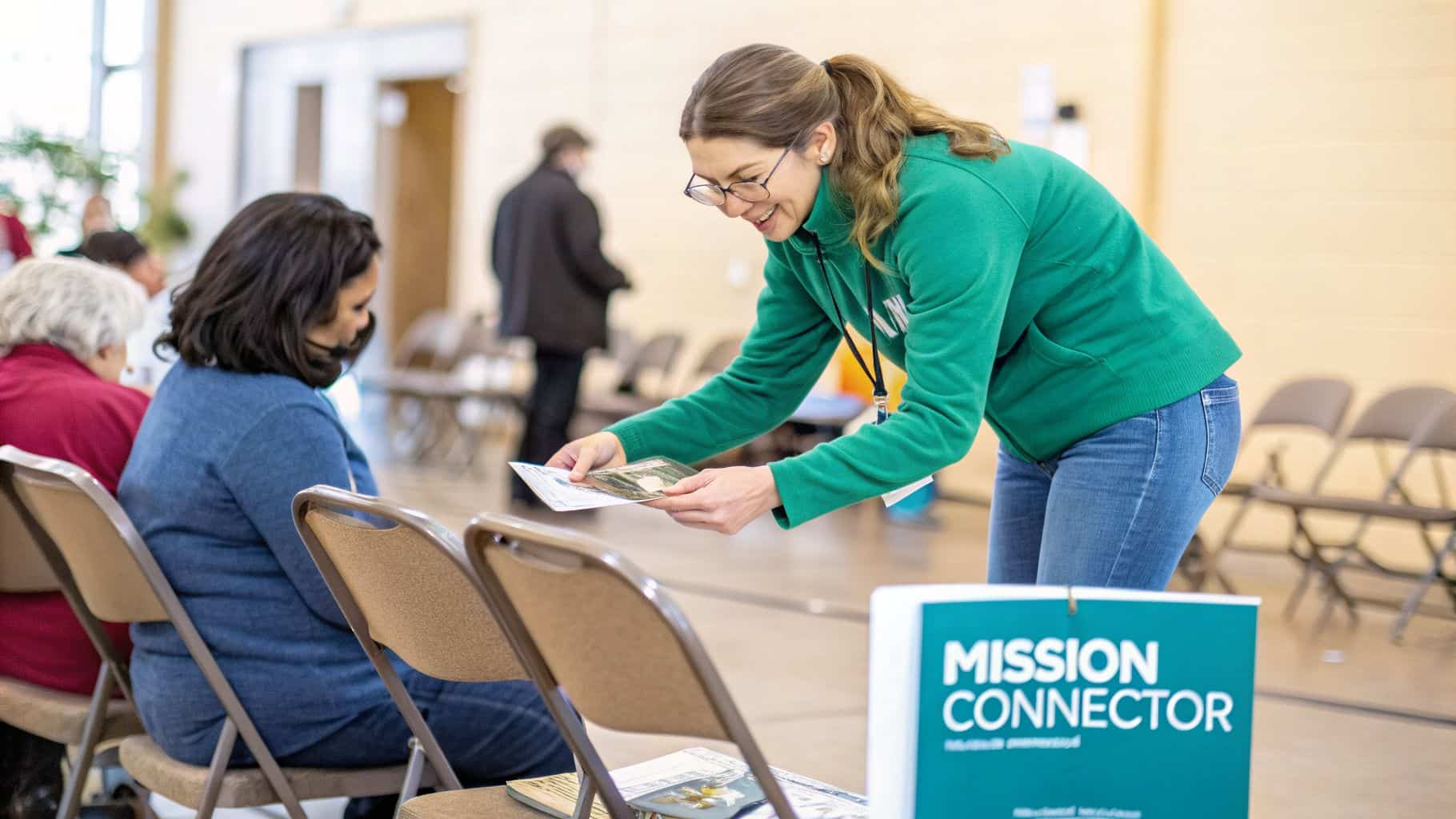
The best coordinators no longer see marketing and events as separate jobs. They understand that marketing and events work together to support your mission. By 2025, 78% of nonprofits reported using this kind of integrated strategy.
This strategic shift led to a 32% average increase in event attendance. It also produced 22% higher donation yields. A modern coordinator doesn't just plan parties; they create connected experiences that deliver results. You can learn more about What is Event Coordination from experts in the field.
Connecting the Dots for Growth
A great coordinator knows every interaction is an opportunity. When someone buys an event ticket, they are a potential long-term partner in your mission. Your coordinator makes sure that potential is realized.
- Manage Communications: They send the invitation, the reminder, and the follow-up that makes people feel valued.
- Track Engagement: They note who attended, who donated, and who raised a hand to volunteer.
- Nurture Relationships: They use that information to send personal appeals later, turning a guest into a recurring donor.
This cycle of communication and follow-through is where sustainable growth comes from. It's nearly impossible to manage without a dedicated person and the right tools.
Key Skills to Look for in Your Next Hire

The right marketing and event coordinator for your nonprofit is a special kind of person. They can negotiate with a venue one minute and write a heartfelt donor story the next. You need someone who connects your mission to the community in everything they do.
This means looking beyond a simple list of past jobs on a resume. The best candidates bring a mix of teachable skills and personal qualities to the table. They need both to succeed in the very human work of a nonprofit.
Essential Skills for a Nonprofit Marketing and Event Coordinator
We can break down these skills into two sides: what they know how to do, and how they go about doing it. A great hire has a healthy balance of both.
| Hard Skills (Teachable) | Soft Skills (Innate Qualities) |
|---|---|
| Event planning and logistics | Strong communication and storytelling |
| Budget management and negotiation | Creative problem-solving |
| Digital marketing (email, social media) | Grace under pressure |
| Content creation (writing, basic design) | High emotional intelligence and empathy |
| Data analysis and reporting | Adaptability and resilience |
| CRM and marketing software proficiency | Meticulous attention to detail |
| Public relations and media outreach | Relationship building and collaboration |
| Vendor and volunteer management | A deep passion for the mission |
A candidate with only hard skills might be organized but struggle to inspire volunteers. Someone with only soft skills might be a great motivator but let event details fall through the cracks. Your ideal hire is both a competent project manager and a passionate advocate.
The Two Sides of a Great Coordinator
Let's dig a little deeper into what these skills look like in action.
Hard skills are the practical abilities you can train and measure. This includes managing event budgets, creating marketing materials, and using software to send emails or sell tickets. These are often the easiest to spot on a resume.
Soft skills are more about character and approach. They include clear communication and staying calm when the projector fails. These are the qualities that make a coordinator effective in the dynamic nonprofit world.
The Heart of the Role
Your job description should reflect this balance by outlining both types of qualifications. Being clear from the start helps attract candidates who understand the full scope of the role. This ensures you interview people prepared for its unique demands.
A successful coordinator does more than just plan events; they create experiences that connect people to your mission. Their work should directly lead to increased engagement, stronger donor relationships, and more support for your cause.
Look for someone who understands that every email and event is an opportunity to tell your story. They need the technical skill to analyze an email campaign's open rates. They also need the empathy to write a message that truly resonates with donors. You can explore how to manage your supporter communications to see how these tasks connect.
Setting a Realistic Salary for Top Talent
To attract a great marketing and event coordinator, you have to offer a fair salary. We know the budget conversation is always front and center. But paying the market rate is the only way to hire someone who will stay and grow with you.
A competitive offer is not an expense; it is an investment in your nonprofit's future. It shows a top candidate you value their expertise from day one.
Understanding National Salary Benchmarks
Before you set a budget, you need a clear picture of what this role typically pays. As of early 2026, the national average salary for nonprofit event professionals was $75,268 annually.
That figure gives you a solid starting point for your own budget talks. It's a national baseline you can adjust based on your location and the experience you need. You can see a full analysis of nonprofit event planning roles for more context.
How Location and Experience Impact Pay
A salary that looks great in a small town will not get a second look in a major city. The cost of living is one of the biggest drivers of pay. A role in New York or San Francisco will need a higher salary than the same job in a rural area.
To make sure your offer is competitive, it's smart to consult current salary data for roles in your city. These resources help you filter by location to see what similar organizations are paying. Experience also plays a huge role in setting the right salary.
- Entry-Level (1-3 years): This person will be eager to learn but will need more direct supervision from you.
- Mid-Level (3-7 years): This candidate can run with projects independently and brings proven strategies.
- Senior-Level (7+ years): This professional can lead your entire marketing strategy and manage a team.
When you do this research upfront, you can go into the hiring process with confidence. You'll be ready to make an offer that is both responsible and compelling.
How the Right Tools Simplify Their Work
Your new coordinator's time is your most valuable asset. You want them focused on building relationships, not wrestling with disconnected software. An all-in-one platform makes their work simpler and far more effective.
Instead of jumping between separate tools for emails, tickets, and donor records, everything they need lives in one place. Our platform is free for nonprofits under $100K in revenue and offers plan-based user allowances (1 on Free, up to 10 on Plus, up to 25 on Pro, and unlimited on Enterprise). This eliminates hours of administrative work, freeing them to do the job you hired them for.
From Disconnected Tasks to a Unified Workflow
When your tools don't talk to each other, your coordinator is forced to manually connect the dots. After an event, they might spend hours moving an attendee list from one system to another. This work is slow, frustrating, and a recipe for errors.
With an all-in-one platform like AlignMint, that entire process is automatic. When a supporter buys a ticket, their information instantly updates in your donor management system. This creates a single, accurate record of every interaction, from event attendance to donations.
This chart shows how a simple process can make a complex task like setting a salary much easier.
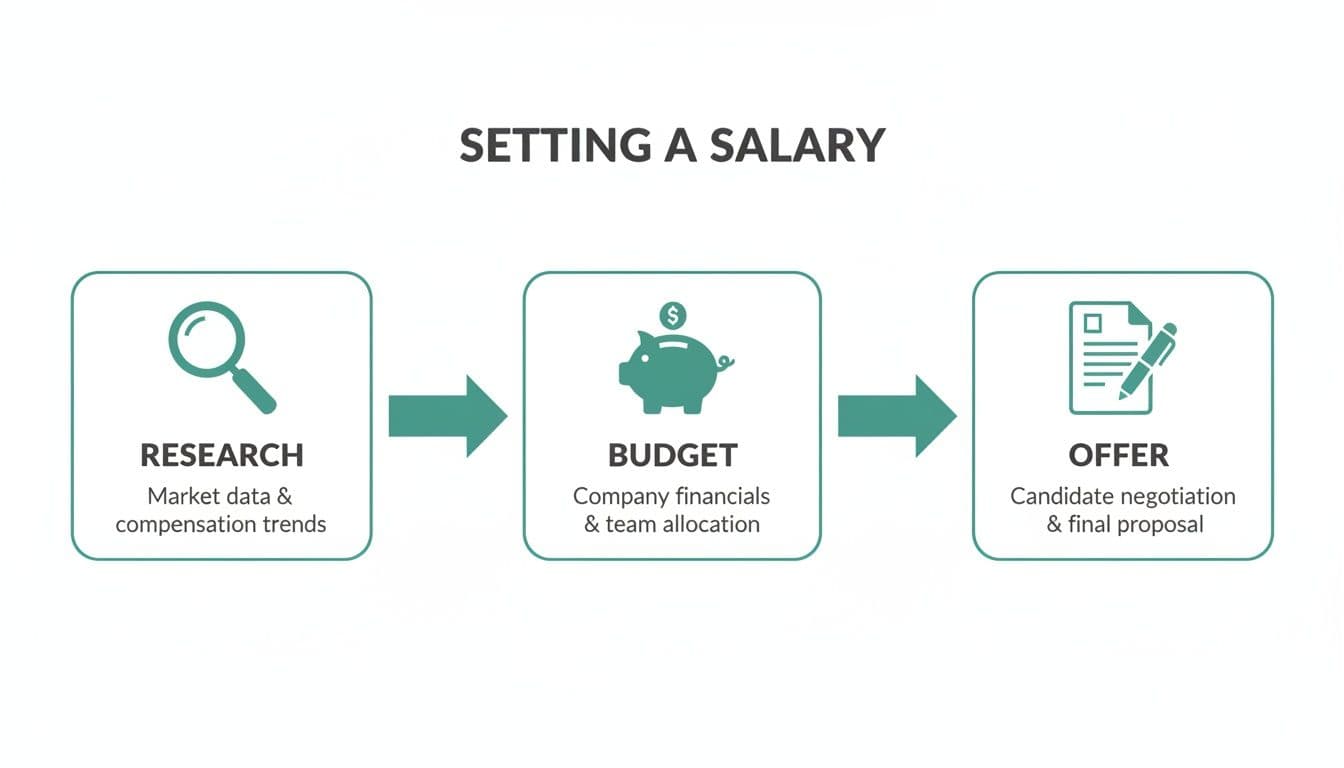
Just as a clear process makes hiring easier, a unified system brings that same clarity to your coordinator's daily work.
Connecting Marketing Directly to Your Mission
The real power of an integrated system is how it connects every action back to your mission and finances. Your coordinator gets a powerful marketing suite that is directly linked to your true fund accounting. This is a core part of our system, not just a workaround like QuickBooks classes.
When marketing is disconnected from finance, it's nearly impossible to see the true return on your efforts. Our all-in-one platform gives you immediate clarity on your fundraising results.
For example, your coordinator can create a giving page for your gala in minutes. As tickets are sold, the revenue is automatically recorded against the correct fund. There's no need for manual work between a payment processor like Stripe and your books.
Many platforms, like Eventbrite or Mailchimp, are excellent at what they do. The problem is they were not built for nonprofits. They lack integrated fund accounting and donor management, leaving you to piece together the full picture yourself.
A Smarter Way to Work
With everything in one place, your marketing and event coordinator can finally work smarter, not harder. Our built-in assistant, Minty, can even help them draft emails or social media posts. This has direct benefits you'll feel almost immediately.
- Better Donor Follow-Up: With a complete view of each supporter's history, they can send more personal thank-you notes.
- Time Savings: Automating routine tasks like data entry frees up hours a month for strategic work.
- Clearer Reporting: You can see exactly how much an event cost to run and how much it raised in one report.
By providing the right tool, you empower them to focus on what truly matters. You can learn more about how our integrated nonprofit event management tools can support your new hire.
Crafting Your Job Description and Interview Questions
A well-crafted job description is your most important tool for finding the right person. A vague posting attracts mismatched resumes, wasting hours of your time. Think of it as a filter; the better the description, the better the candidates.
This is your first chance to tell your nonprofit's story. It's more than a list of tasks. It's an invitation for a passionate person to join your cause and make a difference.
Building an Effective Job Description
A good job description for a nonprofit marketing and event coordinator has a few key parts. Each one helps you communicate your needs and attract the right talent. Start with a powerful summary of your organization. Before listing duties, remind candidates why you exist.
Next, get clear on the core responsibilities. Use direct language and bullet points to show them what a typical week looks like.
- Plan and execute our annual fundraising gala and other community events from start to finish.
- Develop and manage our email campaigns, social media content, and website updates to keep supporters engaged.
- Coordinate with vendors, secure sponsorships, and manage event budgets to ensure we hit our financial goals.
- Track and report on event attendance, marketing campaign performance, and donor engagement.
Finally, list the required qualifications, but separate the "must-haves" from the "nice-to-haves." Be realistic. Asking for a decade of experience for a coordinator role will scare away great candidates.
Interview Questions That Reveal True Potential
Once you have good applicants, the interview is where you find your star. The goal is to understand how a candidate thinks, solves problems, and handles pressure. The right questions show you who they are, not just what they've done.
Your interview should feel more like a conversation than an interrogation. The best candidates are interviewing you, too. They want to know they are joining a supportive team where their work will matter.
Here are a few questions to see if a candidate can thrive in a nonprofit setting:
Problem-Solving Questions:
- Describe a time an event didn't go as planned. What did you do to fix it, and what was the outcome?
- Imagine our event budget was cut by 20%. How would you adjust your plan to still meet our fundraising goals?
Marketing and Communication Questions:
- How would you tell our organization's story to a potential new donor in just a few sentences?
- Walk me through the steps you'd take to promote an event to ensure a great turnout. You can find some helpful ideas in our guide on how to promote a nonprofit event.
Mission and Culture Fit Questions:
- What about our specific mission resonates with you personally?
- How do you prefer to collaborate with a small, busy team where everyone wears multiple hats?
These kinds of questions invite candidates to share stories. You'll quickly see their resourcefulness, passion, and ability to think on their feet.
Final Steps for Making the Right Choice
You've defined the role, set your budget, and you know what you're looking for. Now comes the moment of truth - making a decision you can feel great about. This isn't just about picking a winner; it's about setting them up for success.
Your last piece of homework is a thorough reference check. Don't just ask if they worked there. Ask how the candidate handles pressure or collaborates with others. This is where you get a real sense of how they'll fit into your world.
Making the Offer and Setting Them Up for Success
When you're ready to extend an offer, make it personal. Share your genuine excitement about what they'll bring to your mission. A warm, direct conversation can make all the difference, especially if they are weighing other options.
Once they say yes, setup begins. Your new coordinator can only be as effective as the tools you give them.
Providing an all-in-one platform from the start is the best way to empower them. It removes the friction of disconnected systems and lets them focus on high-impact work.
For example, with a platform like AlignMint, they can start planning your next fundraiser right away. Our integrated online giving pages ensure all financial data flows where it needs to go. This makes it easier for them to communicate with the rest of your team.
Finally, give them a clear roadmap for their first 90 days. What is the first event they will lead? Which marketing campaign is their first priority? That clarity, combined with the right tools, ensures your new hire can make a difference from day one.
Common Questions About Hiring for This Role
Hiring a marketing and event coordinator is a big step. It's smart to have questions. You want to be sure you are making a wise investment in your nonprofit's growth.
One of the first questions is often about hiring a full-time employee versus a contractor. For ongoing marketing and a full calendar of events, a full-time employee is almost always the better choice. They become deeply invested in your mission in a way a temporary contractor rarely can.
What Is the Most Important Trait to Look For?
Beyond organization, the single most valuable trait is resourcefulness. Your coordinator will be working with tight budgets, and things will inevitably go wrong. You need someone who can creatively solve problems and stay calm under pressure.
This isn't a role where someone just follows a checklist. This is the person who figures out what to do when a sponsor backs out last minute. Their ability to think on their feet will be the difference between a small problem and a disaster.
The right person doesn't just manage tasks; they own outcomes. They understand their work is not just about logistics but about building a community and driving real support for your mission.
How Can We Support Them on a Small Team?
This is where your tools make all the difference. The best way to support your new hire is to give them an all-in-one platform. It dramatically cuts down on their administrative work and empowers one person to do the work of a larger team.
When your marketing, events, volunteer, and donor management are all in one place, your coordinator can focus on strategy. It's how you set them up to succeed from their very first day.
Ready to give your new hire the tools they need to thrive? AlignMint brings your accounting, fundraising, marketing, and events into one simple platform, built just for nonprofits. Explore how we can help.
Frequently Asked Questions
Ready to try AlignMint with your nonprofit?
Start free — set up donor tools, giving pages, and Minty. Upgrade when you need accounting.