


Quick Answer: 8 Sponsorship Proposal Examples for Nonprofits
Explore 8 examples of sponsorship proposal templates for nonprofits. Each includes annotated strengths, weaknesses, language swaps, and ROI guidance.
For related tools, see AlignMint features. A development lead has a sponsor meeting on Friday, a half-finished proposal on Tuesday, and three different funding audiences asking three different questions. The corporate contact wants visibility and staff engagement. The foundation program officer wants reporting discipline. An individual donor wants a clear, personal case for impact. One generic deck usually fails all three tests.
The eight examples below are built for nonprofit teams that need usable starting points, not theory. Each template includes strengths, weaknesses, copy-ready language swaps, metrics to add, ROI guidance, and download-ready structure you can adapt quickly. That matters because the quality gap in sponsorship proposals usually comes from fit. Strong asks match the funder's incentives, the nonprofit's operating reality, and the reporting burden that follows the gift.
Keep measurement in view as you review each option. Sponsors often ask how restricted dollars will be tracked, how outcomes will be reported, and how finance data connects to program results. Tools such as fund accounting help answer that question cleanly, and our guide to nonprofit accounting software gives broader context for teams evaluating the systems behind those reports. If you want a cleaner visual structure for the final document, this winning proposal template is a useful design reference.
Use these examples as decision tools. The goal is not to copy a proposal word for word. The goal is to choose the format that best fits the sponsor type, swap in evidence the funder already values, and reduce revision time without weakening your case.
1. Corporate Sponsorship Proposal for Nonprofit Technology Integration
A nonprofit operations director walks into a sponsor meeting with a familiar problem. Donations live in one tool, volunteer records in another, event data in a spreadsheet, and finance reporting in a separate system. The corporate partner does not need a tour of the software stack. It needs a credible case that its support will reduce waste, improve reporting, and produce visible community value.
That is why this proposal type works best when it frames technology as operating infrastructure. Corporate sponsors often approve support faster when the request ties directly to staff capacity, donor responsiveness, volunteer coordination, and reporting quality. For nonprofit teams, that framing is practical because it turns a vague "technology upgrade" into a fundable business case.
This version fits several use cases. A community nonprofit replacing manual reconciliation. A church connecting giving, events, and volunteer schedules. A youth program trying to link fundraising activity with program and finance data. In each case, the underlying issue is the same: fragmented systems create avoidable administrative cost.
What makes this example persuasive
The strongest corporate proposals show two forms of fit. First, they identify who benefits operationally inside the organization. Second, they show who sees and values the sponsor's involvement outside it. That audience map can include donors, volunteers, families served, board members, ministry participants, or school households.
Specificity changes the proposal's quality. "We serve the community" is weak. "Your support helps us coordinate donor follow-up, volunteer scheduling, and restricted-fund reporting for the families and supporters already engaged with our programs" gives the sponsor a clearer line from funding to outcome to visibility.
A useful structure looks like this:
- State the operational problem in concrete terms: duplicate entry, delayed month-end reporting, disconnected donor histories, or manual volunteer scheduling.
- Tie the sponsor's support to measurable relief: faster reporting, cleaner records, better follow-up, or fewer administrative handoffs.
- Show implementation discipline: timeline, system owner, staff training plan, and the reporting the sponsor will receive after launch.
Practical rule: If the sponsor cannot identify the users, the staff relief, and the reporting output within one page, the proposal still needs tighter framing.
Strengths, weaknesses, and nonprofit-focused annotations
This template's main strength is that the funding use is easy to understand. A company can see what it is paying for and why the purchase matters to day-to-day operations. That clarity also helps internal nonprofit reviewers, especially finance leads and executive directors who need to approve the proposal before it goes out.
The common weakness is inflated language. Corporate readers tend to discount phrases such as "digital transformation" when the proposal does not explain what will change in practice. Replace broad claims with plain descriptions of the deliverables.
Use these language swaps:
-
Instead of: "We seek support for digital transformation."
-
Use: "We need to replace disconnected tools so staff spend less time reconciling records and more time serving constituents."
-
Instead of: "This investment improves organizational efficiency."
-
Use: "This investment gives our team one system for gifts, events, volunteer activity, and restricted-fund tracking."
-
Instead of: "Your partnership will strengthen our long-term capacity."
-
Use: "Your support will help us shorten reporting time, reduce duplicate entry, and improve follow-up with donors and volunteers."
For nonprofit teams, the metrics section should be stronger than the average corporate deck. Include baseline pain points, target improvements, and reporting cadence. Good options include time to produce monthly reports, number of systems retired, donor acknowledgment speed, volunteer placement time, and error rates in manual data transfer. If the proposal includes ROI, keep it operational. Estimate hours saved, duplicated subscription costs removed, and the reporting improvements the sponsor will receive in return.
If you need language that reflects how nonprofit finance and operations leaders evaluate these purchases, our guide to nonprofit accounting software for mission-driven teams can help shape the narrative.
A copy-ready version of this template should include five parts: the problem statement, sponsor fit, implementation plan, metrics table, and reporting commitments. That structure is useful because it lets you annotate each section before sending. Mark where a corporate sponsor will want brand visibility, where legal or finance will ask about restricted use, and where nonprofit-specific terminology should be simplified. That extra editing pass often determines whether the proposal reads like a real operating plan or a recycled grant narrative.
For AlignMint users, the pitch is easier to substantiate because accounting, donor management, volunteer records, events, and marketing can be presented as one connected system rather than several unrelated purchases.
2. Foundation Grant Sponsorship Proposal for Fund Accounting and Financial Transparency
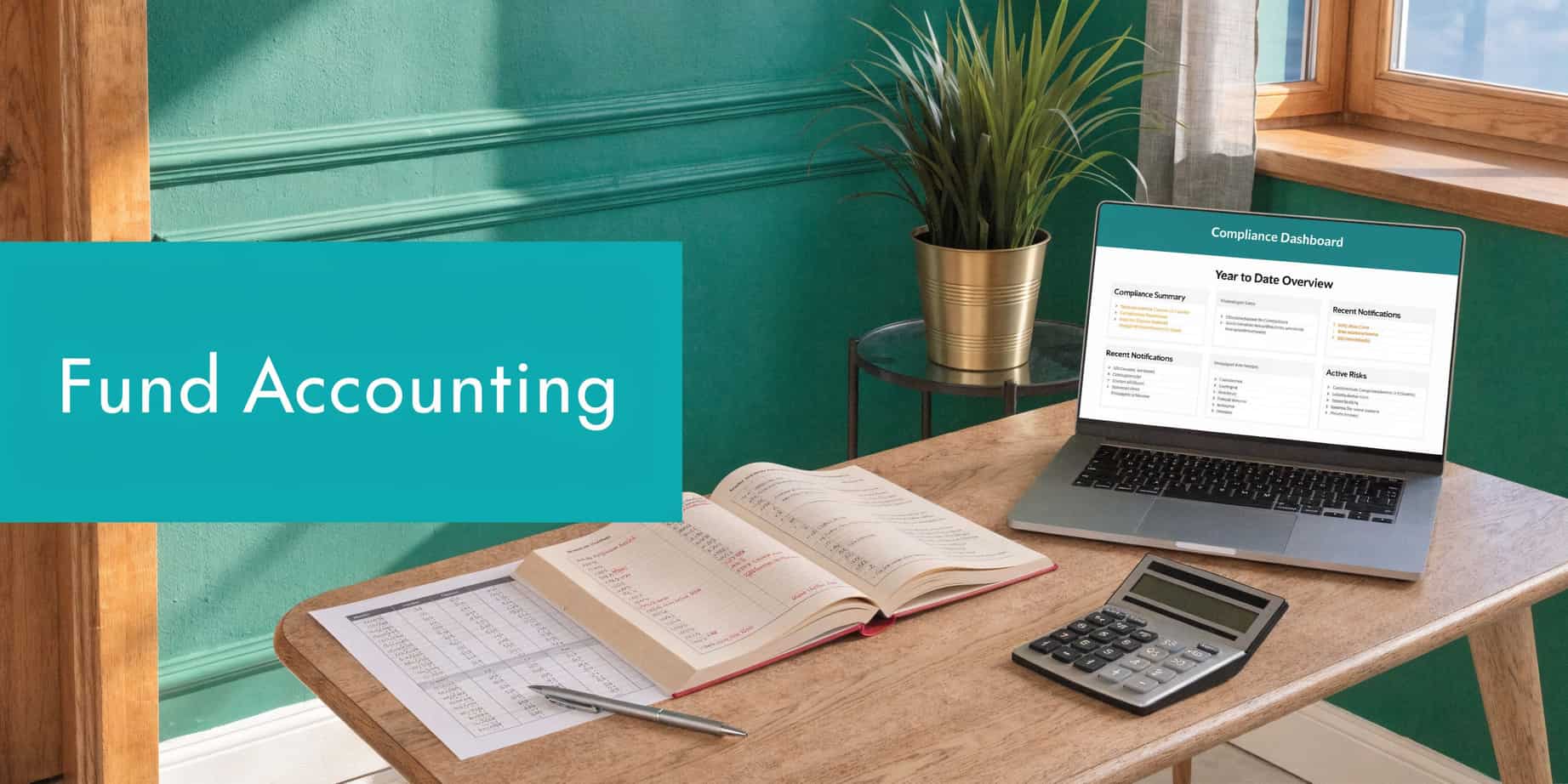
A program director closes the month with three versions of the same grant report. Finance has one number, development has another, and the board packet uses a third spreadsheet built the night before the meeting. That is the operating failure a foundation wants to avoid.
A strong foundation sponsorship proposal for fund accounting starts with control, not software features. Reviewers want evidence that restricted revenue will stay restricted, reporting deadlines will be met, and leadership will be able to explain how grant dollars moved from award to program use. For nonprofits with multiple funds, scholarship pools, or reimbursable grants, that framing is stronger than a generic request for better systems.
What foundations are actually evaluating
Foundations usually assess financial transparency through a few practical questions:
- Can the nonprofit separate restricted and unrestricted activity clearly?
- Can staff produce grant-specific reports without rebuilding data by hand?
- Can leadership and board members read the reports without finance translation?
- Will the new system reduce audit prep and year-end cleanup?
Those questions shape the proposal more than vendor names do. If your draft spends more space on dashboards than on controls, the emphasis is off.
For nonprofit teams, the useful annotation on this template is simple. Mark each paragraph by the reviewer concern it answers: compliance, reporting speed, board oversight, or grant stewardship. That edit makes weak sections visible fast.
How to structure the proposal
Use five parts.
First, define the reporting problem in operating terms. Name the current failure points, such as manual grant coding, delayed month-end close, or inconsistent board reports across departments.
Second, tie the request to the foundation's stated priorities. If the funder cares about capacity building, accountability, or stronger governance, connect the accounting upgrade directly to those outcomes.
Third, explain the implementation plan. Include timeline, staff ownership, migration controls, and training. Foundations are more comfortable funding back-office systems when the adoption plan looks realistic.
Fourth, show the metrics. Good options include days to close the month, time required to produce grant reports, number of manual reconciliations, audit adjustments, and percentage of restricted transactions coded correctly on first entry.
Fifth, define reporting commitments after award. State what the foundation will receive, how often, and in what format.
Language swaps that improve the proposal
Weak phrasing often sounds like this: "We need better accounting software to improve efficiency."
A stronger version is more specific: "We need native fund accounting so each restricted grant, scholarship, and program balance can be tracked separately, reported consistently, and reviewed by leadership without spreadsheet reconstruction."
That change matters because it shifts the ask from preference to control. It also gives the foundation a clearer way to judge whether the grant solved the stated problem.
Strengths, weaknesses, and ROI guidance
This proposal type is strong when your nonprofit already has reporting pain that affects grant compliance, board visibility, or audit readiness. It is weaker when the request reads like a general technology refresh with no fund-level reporting problem attached.
For ROI, keep the case operational. Estimate hours spent each month on manual reconciliations, duplicate report building, and correction of coding errors. Then show what the funded system changes. Faster close cycles, cleaner restricted fund reporting, and fewer audit adjustments are more persuasive than vague claims about modernization.
If you need help tightening the financial request itself, use our grant proposal budget template for nonprofit funding requests as a drafting companion.
Competitor context can help if you use it carefully. QuickBooks is familiar, but classes do not provide the same structure as true fund accounting. Donor systems such as Bloomerang or Kindful support fundraising workflows, yet they do not replace accounting controls. The proposal gets stronger when you show how a connected system reduces reconciliation gaps between finance, development, and program reporting.
A copy-ready version of this template should include reviewer annotations in the margin or comments: what builds confidence, what sounds too vendor-focused, which terms need a plain-language swap, and which metrics the foundation can verify after award. That nonprofit-focused editing pass is often the difference between a credible capacity grant request and a generic software pitch.
3. Individual Major Donor Sponsorship Proposal for Volunteer Management Platform
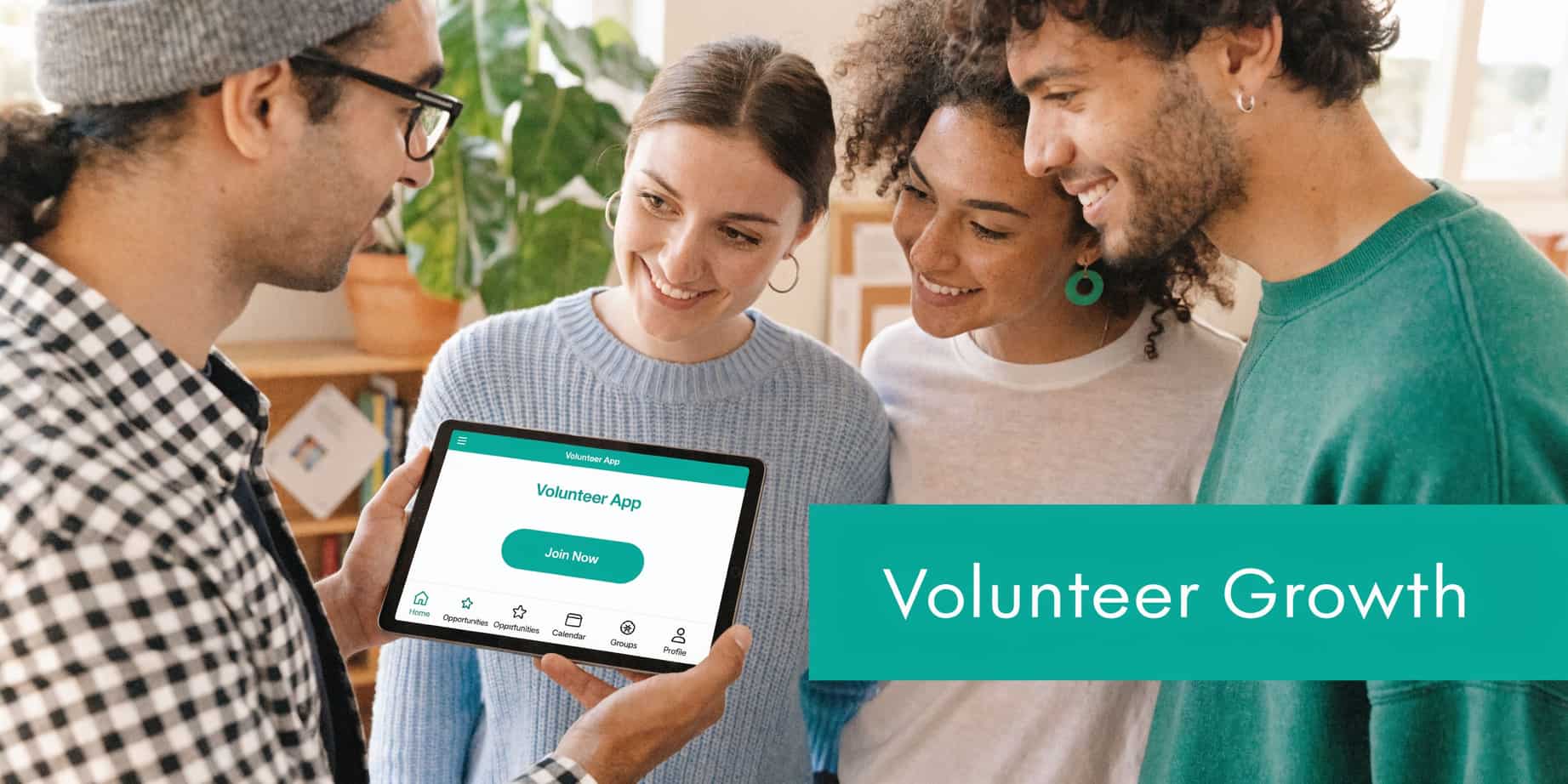
A Saturday shift starts with 40 expected volunteers. By noon, staff are checking text threads, paper sign-in sheets, and old spreadsheets to confirm who arrived, who still needs training, and which roles remain uncovered. A major donor can understand that problem quickly because the operational gap is visible and the fix is easy to explain.
That clarity makes this one of the stronger examples of sponsorship proposal language for food banks, faith-based organizations, schools, and mentoring programs. The strongest draft does not sell software in the abstract. It shows how weak volunteer coordination slows service delivery, strains staff time, and reduces the value of every recruited volunteer.
What belongs in this proposal
Lead with one specific operating scenario, then move to evidence. A short example works well: a returning volunteer was ready to help, but no one had an updated record of availability, training status, or prior role fit. That kind of friction turns a donor-facing story into a management case.
The next step is segmentation. Describe the volunteer base with enough precision that a donor can see who benefits from better coordination. Retired church members, student volunteers, parents, alumni, and employer-sponsored service groups create different scheduling patterns and follow-up needs. A proposal gets stronger when it shows that the platform will improve placement, communication, and retention for those defined groups, not for "the community" in general.
This is also where nonprofit-specific annotation helps. In a copy-ready version of this template, add margin notes on what strengthens donor confidence, which phrases sound too vendor-centered, and where plain-language swaps improve readability. For example, "centralized volunteer lifecycle management" is weaker than "one record for sign-up, placement, training, hours, and follow-up."
Where this template is strongest, and where it weakens
This format works best with donors who already care about volunteer participation, community engagement, or the quality of the supporter experience. It also works when the funded tool produces updates a donor can recognize without needing technical expertise.
It weakens when the proposal reads like a generic database purchase. If the draft spends more time naming features than describing reduced no-shows, faster placement, cleaner tracking of hours, or better volunteer retention, the donor has little reason to prioritize it over a direct-service gift.
Copy-ready positioning with nonprofit-focused edits
Use language that connects the gift to a clear operating change.
- Strong opening: "Your support will help us welcome, place, and retain volunteers with more care and less confusion."
- Better outcome line: "Instead of managing sign-ups across email, paper, and spreadsheets, our team will track hours, roles, training status, and follow-up in one record."
- Good recognition line: "We'll report back on volunteer participation, engagement, and program support created through your gift."
Language swaps matter here. Replace "digital transformation" with the specific change the donor is funding. Replace "capacity building" with the result, such as faster setup, fewer missed shifts, or better use of skilled volunteers.
Skip tier-heavy sponsorship packaging unless the donor has asked for options. A major donor proposal usually performs better as a personalized request with one named purpose, one budget figure, and one reporting plan.
ROI guidance a major donor can assess
Frame return in operating terms first. Estimate the staff time now spent on scheduling corrections, duplicate outreach, manual hour tracking, and post-event reconciliation. Then show what changes after implementation: fewer administrative handoffs, more complete volunteer records, better matching of skills to assignments, and more reliable follow-up after service.
For donor reporting, choose metrics that are easy to verify. Good options include volunteer placements filled, training completion, hours tracked, repeat participation, and response time from interest to assignment. Those measures help the donor see whether the platform improved coordination rather than adding another tool.
If your development team needs support refining the ask itself, our guide to the major gift officer role in nonprofit fundraising can help tighten donor-specific language and follow-up strategy.
For AlignMint users, the proposal gains credibility when you explain that volunteer activity can sit alongside donor history, events, and communications. That gives the donor a fuller report on participation patterns and program support, not just isolated stories.
4. Government/Municipal Sponsorship Proposal for Nonprofit Capacity Building
A city department is not reading your proposal as a generosity request. It is reading for procurement risk, reporting burden, and service continuity. That shift changes the document from a sponsorship pitch into an operating case.
This example fits nonprofits that already deliver publicly funded services, work inside a defined municipality, or need local support for back-office capacity that affects resident outcomes. The strongest proposals show a direct line between internal systems and public accountability. If staff cannot document services cleanly, separate restricted funds, or produce timely reports, the municipality absorbs part of that risk through delays, exceptions, and weaker oversight.
What municipal reviewers are actually testing
Public-sector readers usually screen for three things first. Can the nonprofit document activity in a way that survives audit review? Can it track restricted or program-specific funds correctly? Can it report on time without creating avoidable follow-up work for the agency?
That is why broad language about innovation tends to underperform here.
A better proposal names the administrative problem, the capacity investment, and the reporting result. Instead of asking for "capacity building," ask for support tied to a specific function such as case management coordination, grant reporting workflows, volunteer scheduling tied to city-funded programs, event registration for resident services, or cleaner restricted-fund reporting.
Where this template is strongest
This format performs well when your organization can point to a current contract, a pending renewal, a citywide service mandate, or a clearly defined district population. In those cases, the municipality does not need to guess why infrastructure matters. You can show how internal capacity affects deliverables the agency already cares about.
For nonprofit teams, this template has a clear advantage. It creates room for annotations that many generic sponsorship examples miss:
- Strength: Strong fit for proposals tied to compliance, documentation, and cross-department reporting.
- Weakness: Easy to weaken with vague transformation language or product-heavy copy.
- Language swap: Replace "modernize our organization" with "reduce reporting delays and improve documentation for public funds."
- Metrics to include: report submission timeliness, reconciliation cycle time, percentage of restricted funds tracked by program, staff hours shifted from manual administration to service delivery.
- ROI guidance: quantify administrative time recovered and explain how that improves contract performance, audit readiness, or continuity of resident services.
Those annotations matter because municipal readers often approve operational clarity before they approve ambition.
Language choices that improve approval odds
Use accountability language throughout the draft. Explain how records, approvals, and reports become easier to review. Show how staff time moves from manual reconciliation to direct service support. Clarify what the municipality receives in return, usually cleaner reporting, fewer documentation gaps, and more stable program administration.
Copy that usually works better in this context includes lines such as:
- "This investment will improve grant tracking and reporting for public funds."
- "The proposed system will reduce manual reconciliation across restricted funding streams."
- "Staff will be able to document program activity in a format aligned with municipal reporting requirements."
Each line points to an administrative result. None relies on aspirational wording.
If your nonprofit manages multiple grants or restricted revenue streams, say so directly. Mention that the finance team needs true fund accounting rather than category-based workarounds. That detail signals operational maturity and helps a reviewer understand that the request is tied to compliance, not convenience.
Nonprofit-specific weakness to correct before you submit
Many drafts describe software gaps too generally. Municipal sponsors do not need a feature tour. They need a short explanation of why fragmented systems create reporting risk.
State the gap in operating terms. For example, donor records in one system, finance in another, volunteers in a third, and events in a fourth can slow reconciliation and make program reporting harder to verify. That framing is stronger than a generic claim that your tools are outdated.
If you want this template to be immediately usable, add a short budget table, one reporting timeline, and one paragraph that defines success after implementation. That turns the proposal from a request into a testable capacity plan.
5. Corporate Employee Giving and Matching Grant Sponsorship Proposal
A practical scenario explains why this proposal type works differently. An employer already offers payroll giving, volunteer days, or matching gifts, but employee participation stays low because the path from interest to action is unclear. The proposal has to solve that operational gap.
For a corporate employee giving sponsor, the strongest pitch is not broad brand visibility. It is a clear participation system. HR and CSR teams usually evaluate whether employees can sign up easily, contribute through familiar channels, and receive credible updates on results. If your proposal reads like an event sponsorship deck, it misses the buyer's actual decision criteria.
What the sponsor needs to see
Use a simple chain of value. Employee action leads to nonprofit delivery. Nonprofit delivery leads to measurable reporting back to the company.
That means your proposal should show how employees will:
- Volunteer in defined roles: list job types, shift length, capacity, and any training required.
- Give through a matched structure: explain whether gifts support a specific program, a campaign, or a broader capacity project.
- Receive outcome updates: commit to a reporting cadence, such as quarterly summaries, volunteer participation recaps, or campaign-specific impact notes.
The nonprofit annotation that improves this template is specificity. If you are asking for support tied to software or operations, explain what changes for employees and what changes for staff. For example, a new system might reduce volunteer scheduling errors, improve donor follow-up after workplace campaigns, or help your team process matched gifts faster. Those are concrete improvements a sponsor can evaluate.
Strengths of this proposal format
This proposal performs well when the company already has an internal culture of volunteering or workplace giving. You are not trying to persuade a sponsor to start caring about community impact. You are showing them how your nonprofit can absorb employee interest without creating administrative friction.
It also creates a stronger renewal case than one-time event benefits. If employees participate across several months, the company gets repeated touchpoints, not a single logo placement. For nonprofit teams, that usually means more stable engagement and better year-over-year reporting.
Weaknesses to correct before you submit
A common failure point is vague language about engagement. "Employees will make a difference" does not help an HR lead assess execution risk. Replace it with operating detail. Name the number of volunteer formats, the type of reporting you will provide, the staff owner on your side, and the expected timeline from launch to first activity.
Another weak point is treating matching gifts as automatic revenue. They are not. Match dollars depend on employee action, employer rules, and your follow-up process. If your systems for donor records, campaign outreach, and volunteer tracking are disconnected, say how the proposed investment fixes that. That turns the request into a capacity argument instead of a general appeal.
Language that works with HR and CSR teams
Plain language usually outperforms promotional phrasing here.
Try lines such as:
- "Employees will have defined volunteer options, clear registration steps, and follow-up reporting after each activity."
- "We will provide participation summaries your community impact team can share internally."
- "The requested support will improve gift processing, volunteer coordination, and employee communications tied to your program."
- "If your company offers matching gifts, we will promote eligibility, confirm donations promptly, and report on completed matches."
Each sentence points to a process the sponsor can picture. That matters because employee giving programs are often judged by participation and administrative ease, not just dollars raised.
If the company has a matching program, frame the request around adoption, processing, and reporting.
AlignMint supports that case well when your nonprofit needs one place to run giving pages, employee updates, event communications, and donor or volunteer records. That setup makes follow-up easier and reduces the lag between employee action and sponsor reporting. For a corporate partner, organized reporting often matters as much as the original campaign.
If you are adapting this template for immediate use, include five items before sending it: a short rollout timeline, one sample employee journey, match-processing steps, reporting metrics, and a one-paragraph success definition. For nonprofits, the best copy swap is often small but important. Replace generic sponsorship language with operational wording such as participation rate, volunteer fill rate, matched-gift completion, repeat engagement, and reporting turnaround time. Those terms give the sponsor a clearer ROI lens and make the proposal easier to approve.
6. Faith-Based Donor Sponsorship Proposal for Mission-Aligned Technology
Faith-based proposals often fail when they sound like secular grant language with a few ministry words added at the end. Donors can feel the mismatch. A better version ties stewardship, transparency, and care directly to the operational need.
This example fits churches, Christian schools, Jewish service organizations, and other religious nonprofits where accountability is part of trust. It works especially well when your team needs to improve giving records, volunteer coordination, family communication, or designated fund tracking.
Why relationship framing matters here
A strong recent case study from Showcare found that a relationship-led sponsorship model produced a 41% increase in sponsorship revenue, a 35% increase in total sponsors, retained 22% of past sponsors despite annual continent changes, and increased average package size by 1.25x. The lesson for faith-based nonprofits is straightforward. Customized value beats generic packages.
That's especially true with congregational donors. A church member or faith-aligned family foundation usually wants to know why this support matters to ministry, not where they fit in a bronze tier.
Better wording for faith settings
A faith-based proposal can stay practical without sounding corporate.
Try lines like:
- "Your support strengthens stewardship by helping us track designated gifts and ministry spending with greater clarity."
- "This investment helps our staff care for people better through organized communication and volunteer follow-up."
- "We'll report back in a way that shows both financial integrity and ministry effect."
Avoid language that sounds imported from software brochures. Instead of "unified operations," say "one place to manage giving, ministry activity, and financial reporting."
This proposal is also a good place to mention congregation trust. When finance and donor records are disconnected, questions pile up. When your team can report designated balances clearly and follow up with volunteers and givers consistently, trust tends to deepen.
AlignMint fits naturally here because church and school teams often need accounting, donor records, online giving pages, volunteer management, and team communication in one place. Plan-based user allowances (1 on Free, up to 10 on Plus, up to 25 on Pro, and unlimited on Enterprise) also matters in ministry settings where admins, pastors, treasurers, and volunteers all need access.
7. School and Education Nonprofit Sponsorship Proposal for Integrated Operations Platform
A familiar school scenario looks like this. The advancement team tracks donors in one system, program staff manage volunteers in spreadsheets, business office records sit elsewhere, and family event data lives in inboxes or forms. None of those tools is useless on its own. The problem is the handoff cost between them.
That friction gives education nonprofits a sharper sponsorship case than many teams realize. The ask is not software for staff convenience. It is operating capacity that protects student services, shortens reporting cycles, and reduces the risk of missed follow-up with families, donors, and volunteers.
This format works especially well for private schools, scholarship funds, tutoring programs, after-school nonprofits, and education organizations that mix fundraising, restricted funds, events, and community engagement.
A useful outside reference on school positioning is this guide on how to effectively market a private school. The value here is not promotional wording. It is the discipline of defining audience segments clearly, which improves both sponsorship framing and post-award reporting.
What strong education proposals show
The strongest school-focused proposals separate stakeholders instead of treating "the community" as one audience. Parents, alumni, teachers, volunteers, scholarship donors, local businesses, and grant funders respond to different outcomes. A proposal that maps those groups cleanly gives sponsors a more credible reason to participate.
For example, a workforce-focused company may care about career readiness programming, family engagement, and volunteer pathways. A scholarship funder may care more about restricted fund tracking, student support continuity, and clean financial reporting. The same platform can serve both priorities, but the proposal should name the relevant metrics and language for each audience.
That is where nonprofit-focused annotations improve the template. For each version, note the strength, weakness, language swap, and reporting angle before you send it.
How to sharpen this proposal
Use a simple operational argument with measurable consequences:
- Current state: Donor records, scholarship restrictions, volunteer shifts, event attendance, and family outreach are tracked separately. Staff spend time reconciling records and preparing manual updates.
- Proposed state: One platform connects accounting, giving, communications, events, and volunteer activity. Staff can produce clearer reports and respond faster to families and funders.
The stronger phrasing is specific: "Your support helps us reduce time spent reconciling systems so staff can spend more time supporting students, families, and scholarship stewardship."
The weaker phrasing stays internal: "We need software to improve operations."
That language swap matters because education sponsors usually fund outcomes, oversight, and access. They do not fund back-office upgrades unless the proposal shows how those upgrades change service delivery or reporting quality.
Metrics and ROI guidance to include
School and education sponsors often want evidence that the platform will improve execution, not just administration. Include a short reporting table or appendix that covers:
- time required to prepare donor, board, or grant reports
- visibility into restricted scholarship balances and uses
- volunteer participation and family event attendance
- follow-up speed after inquiries, gifts, or registrations
- reduction in duplicate records or disconnected workflows
You do not need inflated claims. You need a before-and-after measurement plan.
A copy-ready version of this template should also include nonprofit annotations such as: best use case, common objection, stronger replacement lines, and which metrics to report at 30, 90, and 180 days. That makes the proposal easier to adapt for school boards, education foundations, and business sponsors without rewriting it from scratch.
For AlignMint, the fit is practical. Schools and education nonprofits often need fund accounting, online giving pages, volunteer coordination, event registration, communications tools, and shared access across departments. An integrated platform reduces tool sprawl and gives sponsors a clearer line of sight into what their support improved.
8. Fiscal Sponsor and Network Sponsorship Proposal for Multi-Organization Platform
A fiscal sponsor often manages ten competing reporting needs at once. Project leaders need autonomy. Finance teams need clean separation. Network leadership needs a portfolio view. Funders want proof that controls hold across every project, not just the largest one.
That operating model gives this proposal type unusual strength. The case for funding is not only about efficiency. It is about reducing reporting errors, preserving restricted fund integrity, and giving multiple organizations shared infrastructure without collapsing them into one ledger or one donor file.
This format fits fiscal sponsors, nonprofit networks, church networks, and umbrella organizations that support multiple projects, chapters, or affiliated entities. It works best when the current process depends on spreadsheets, separate banking workflows, inconsistent naming conventions, and manual roll-up reporting.
What strong network proposals prove
Strong proposals show disciplined coordination. They make it easy for a sponsor to see how the network stays standardized where it should, and separate where it must.
The core argument should cover three operating requirements:
- Financial separation by entity or project: each sponsored program maintains its own balance, restrictions, and reporting trail
- Central visibility for leadership: executives and boards can review aggregate activity without rebuilding reports by hand
- Shared operational systems: donor records, event data, volunteer information, communications, and training can be managed under a common structure
That combination matters because fiscal sponsors are judged on two fronts at once. They need to protect each project's identity while showing funders that oversight scales across the network.
Language swaps that improve sponsor fit
Generic sponsorship language underperforms here. Fiscal sponsors and network funders usually respond better to governance language than to promotional framing.
Use this:
- "Your support helps us standardize oversight across participating projects while preserving project-level financial separation."
- "This platform will reduce manual consolidation and improve transparency for project leaders, sponsor staff, and funders."
Avoid lines that focus on logo placement, tier perks, or broad visibility unless the sponsor has explicitly asked for those benefits. In this category, implementation discipline carries more weight than branded recognition.
Strengths, weaknesses, and what to annotate in the template
A strong fiscal sponsor proposal explains system design in practical terms. It shows who will use the platform, what stays separate, what rolls up centrally, and how reporting will improve after implementation.
Its common weakness is vagueness. Many drafts say the network needs "better coordination" but never define the actual failure points. A stronger version names them: duplicate donor records, delayed subproject reporting, inconsistent coding of restricted funds, and staff time lost to spreadsheet consolidation.
For nonprofit teams using a copy-ready template, add annotations directly in the draft:
- Best use case: multi-entity oversight, chapter networks, fiscally sponsored project portfolios
- Common objection: "Will a shared system blur financial boundaries between projects?"
- Stronger replacement line: "Shared infrastructure improves consistency while preserving separate financial controls and reporting."
- Metrics to report at 30, 90, and 180 days: time to close monthly reports, number of manual consolidations, reporting turnaround for project leaders, accuracy of restricted fund tracking, and user adoption by project staff
Those annotations do more than improve the writing. They reduce revision cycles and help nonprofit teams adapt the same proposal for capacity funders, implementation sponsors, and network-oriented donors.
ROI guidance for multi-organization platforms
ROI in this proposal type should be framed around oversight quality, staff time, and reporting reliability. Sponsor exposure is usually secondary.
A practical measurement plan can include:
- reduction in time spent consolidating cross-project reports
- faster month-end or grant reporting cycles
- fewer errors caused by duplicate entry across systems
- clearer visibility into restricted balances by project
- adoption rates across participating organizations or sites
Do not overstate transformation. Show the baseline, the process change, and the reporting outcome.
AlignMint fits this use case because networks often need fund accounting, donor management, volunteer records, events, marketing tools, and broad user access in one system. For a fiscal sponsor, that structure supports a cleaner operating model across multiple organizations and gives sponsors a clearer explanation of what their funding improved.
8-Point Sponsorship Proposal Comparison
| Proposal Type | Implementation Complexity | Resource Requirements | Expected Outcomes | Ideal Use Cases | Key Advantages |
|---|---|---|---|---|---|
| Corporate Sponsorship Proposal for Nonprofit Technology Integration | Medium, requires baseline data and technical implementation plan | Moderate, technical expertise, staff training, reporting dashboard | Improved efficiency, cost savings, automation ROI, faster operations | Nonprofits transitioning from manual processes; $10K–$100K+ platform projects | Tangible ROI metrics, appeals to corporate sponsors and tech partners, clear timeline |
| Foundation Grant Sponsorship Proposal for Fund Accounting and Financial Transparency | High, specialized fund accounting and compliance detail required | High, accounting expertise, audit prep, ongoing maintenance | Transparent fund tracking, audit-ready reports, Form 990 automation | Nonprofits managing $500K–$10M+ in grants and restricted funds | Directly meets funder compliance needs, reduces audit risk, manages multiple grants |
| Individual Major Donor Sponsorship Proposal for Volunteer Management Platform | Low–Medium, personalization and donor-focused customization | Low–Moderate, donor cultivation, volunteer metrics, customized recognition | Increased volunteer recruitment/retention, stronger donor engagement | Organizations with engaged volunteer bases and high-net-worth individual donors | Highly personalized appeal, donor recognition opportunities, real-time impact visibility |
| Government/Municipal Sponsorship Proposal for Nonprofit Capacity Building | High, must align with government priorities and reporting standards | High, professional grant writing, strict reporting systems, long timelines | Enhanced capacity, program efficiency, public accountability and compliance | Nonprofits contracted by government or serving government-priority populations | Access to larger public funds, formal accountability, supports municipal goals |
| Corporate Employee Giving and Matching Grant Sponsorship Proposal | Medium, coordination with corporate HR and employee programs | Moderate, integration with matching platforms, volunteer coordination | Activated employee giving, volunteer engagement, faster and diversified funding | Nonprofits with existing corporate relationships or near corporate centers | Multiple funding streams (gifts + matches), strengthens corporate ties, quicker turnaround |
| Faith-Based Donor Sponsorship Proposal for Mission-Aligned Technology | Low–Medium, requires faith-specific language and leader engagement | Low–Moderate, pastoral endorsements, stewardship messaging, reporting | Improved stewardship, donor trust, better ministry coordination | Churches, synagogues, mosques and faith-based nonprofits with engaged congregations | Aligns with stewardship values, encourages congregational giving, builds community trust |
| School and Education Nonprofit Sponsorship Proposal for Integrated Operations Platform | Medium–High, sector-specific customization and privacy considerations | Moderate–High, FERPA compliance, stakeholder coordination, system customization | Better student outcome tracking, streamlined grant management, reduced admin load | Schools, tutoring programs, education nonprofits seeking integrated operations | Direct impact on student outcomes, appeals to education funders, supports multi-program budgeting |
| Fiscal Sponsor and Network Sponsorship Proposal for Multi-Organization Platform | Very High, multi-entity accounting and extensive change management | Very High, data migration, training across organizations, ongoing support | Consolidated reporting, scale efficiencies, centralized compliance and insights | Fiscal sponsors with 10+ projects, nonprofit networks with multiple members | Solves complex accounting/compliance, reduces network costs, enables portfolio-level insights |
Putting These Examples to Work
The best examples of sponsorship proposal writing all do one thing well. They make the sponsor's decision easier. They don't bury the reader in mission statements or software jargon. They show who benefits, how support will be tracked, and why this partnership is a sensible fit.
That matters more now because sponsors and funders expect better evidence than they used to. One activation case study from San Francisco's Chinese New Year Community Fair showed that ZenPay achieved 80% reach among festival attendees and a 14% app download conversion rate through direct brand ambassador interactions. Even if your nonprofit isn't running a consumer activation, the lesson holds. Visibility alone is weaker than visibility plus action.
For nonprofit leaders, that means your proposal should connect sponsor support to measurable follow-through. You don't need to invent complex dashboards. You do need to show how you'll report participation, engagement, restricted spending, donor response, volunteer activity, or program reach after the gift is made.
That's also where many templates still fall short. A recurring gap in sponsorship guidance is the weak treatment of analytics and ROI reporting. Many templates mention social media visibility or audience fit, but not how attribution will be tracked in practice. If you can add a short reporting section, even a simple one, your proposal often becomes more credible immediately. A sponsor doesn't need a promise of perfect measurement. They need confidence that you take measurement seriously.
For smaller nonprofits, another practical conclusion emerges from the examples above. You don't need one universal master deck. You need a few focused versions. The corporate technology ask, the foundation transparency ask, the faith-based stewardship ask, and the fiscal sponsor infrastructure ask should not sound identical. The underlying need may be the same platform. The framing should change with the reader.
That's why a modular approach works best. Keep a stable core with your mission, operating context, implementation plan, and reporting method. Then swap the opening problem statement, sponsor benefit language, and proof points based on audience. In practice, this cuts writing time while making the proposal feel personal.
At AlignMint, we'd approach proposal prep the same way we approach nonprofit operations. Start with the outcome. Then make the system support it. If your team can pull financial reports, donor activity, volunteer history, event participation, and communications from one place, proposal writing gets easier because your evidence is already organized.
That's one reason all-in-one software matters beyond administration. It improves how you ask. A proposal backed by current reports and clear records feels grounded. A proposal built from scattered exports often feels improvised, even when your mission is strong.
As you adapt these templates, plug in your own metrics carefully. Use real figures from prior events, donor response, beneficiary reach, volunteer participation, or grant reporting. Keep your language plain. Replace broad claims with visible outcomes. If a sponsor would ask, "How will we know this worked," answer that in the draft before they have to.
If you want a simpler way to manage outreach after the proposal goes out, our marketing suite can help you coordinate sponsor follow-up, email updates, and campaign communication without moving between separate tools.
If you're tired of stitching together accounting, donor records, volunteer tracking, and outreach just to send one credible proposal, take a look at AlignMint. We built it for nonprofit leaders who need true fund accounting, connected donor and volunteer data, built-in marketing tools, Minty insights, and plan-based user allowances (1 on Free, up to 10 on Plus, up to 25 on Pro, and unlimited on Enterprise), all in one place.
Frequently Asked Questions
Ready to try AlignMint with your nonprofit?
Start free — set up donor tools, giving pages, and Minty. Upgrade when you need accounting.