
Quick Answer: Proven Nonprofit Donor Retention Strategies
Boost giving with these 10 nonprofit donor retention strategies. Actionable tips for small nonprofits to build steadier revenue and stronger relationships.
You work hard to bring in new donors. Then a good share of them disappear, and the pressure starts over again. That cycle drains staff time, weakens planning, and makes every campaign feel higher risk than it should.
Keep your donors, and you keep your mission funded. These nonprofit donor retention strategies help you build steadier revenue and stronger relationships without adding a pile of busywork. You can apply them with the tools you already have, or with new nonprofit management software if you are ready to simplify your setup. The same principles also support better fund accounting practices and stronger volunteer engagement.
If you also need outside visibility for a campaign or event, this sample press release for a charity donation event is a useful companion resource.
The urgency is real. The Fundraising Effectiveness Project reported an overall donor retention average of 43%, with first-time donor retention at about 20% and repeat donor retention around 69%, summarized in this donor retention overview from Sopact. That gap tells you where to focus. Winning the second gift matters more than sending one more generic appeal to everyone.
1. Personalized Donor Communication & Stewardship
A donor who feels known is more likely to stay connected. A donor who gets the same message as everyone else usually drifts away.
Most nonprofits already have enough information to personalize. The problem is that the data sits in different places. Gift records live in one system, event attendance in another, volunteer notes in a spreadsheet, and finance details somewhere else. That setup makes good stewardship slow.
Start with a few useful segments
You do not need complicated scoring models. Start with segments your staff can act on this week.
- First-time donors: Thank them quickly, explain what happens next, and invite a second gift.
- Recurring donors: Send milestone notes and mission updates, not constant asks.
- Event donors: Reference the event they attended so the follow-up feels connected.
- Major or long-time donors: Add a human touch such as a call, handwritten note, or short video.
Organizations like St. Jude Children's Research Hospital, the American Red Cross, and charity: water are well known for sending supporters more relevant updates tied to interests, projects, or giving patterns. That works because the donor can see that someone paid attention.
A practical rule helps. If your message could go to anyone, it will not feel personal to anyone.
Build a simple stewardship rhythm
Set a few triggers and stick to them. Send the receipt right away. Follow with a real thank-you. Then send an impact update before the next ask.
If you want a deeper look at what software support for this process should include, this guide to donor stewardship software is a good place to start.
Good personalization is not fancy. It is timely, relevant, and respectful of what the donor already told you.
With AlignMint, we bring giving history, fund details, email activity, and notes into one donor record. That helps your team send better messages without hunting across systems. Minty can also help flag patterns, such as donors who gave once, opened recent updates, but have not yet made a second gift.
One last operational note. If your emails are not landing, your stewardship will look weaker than it is. This guide on how to check if your emails are going to spam can help you fix that before you blame the message itself.
2. Impact Reporting & Results Communication
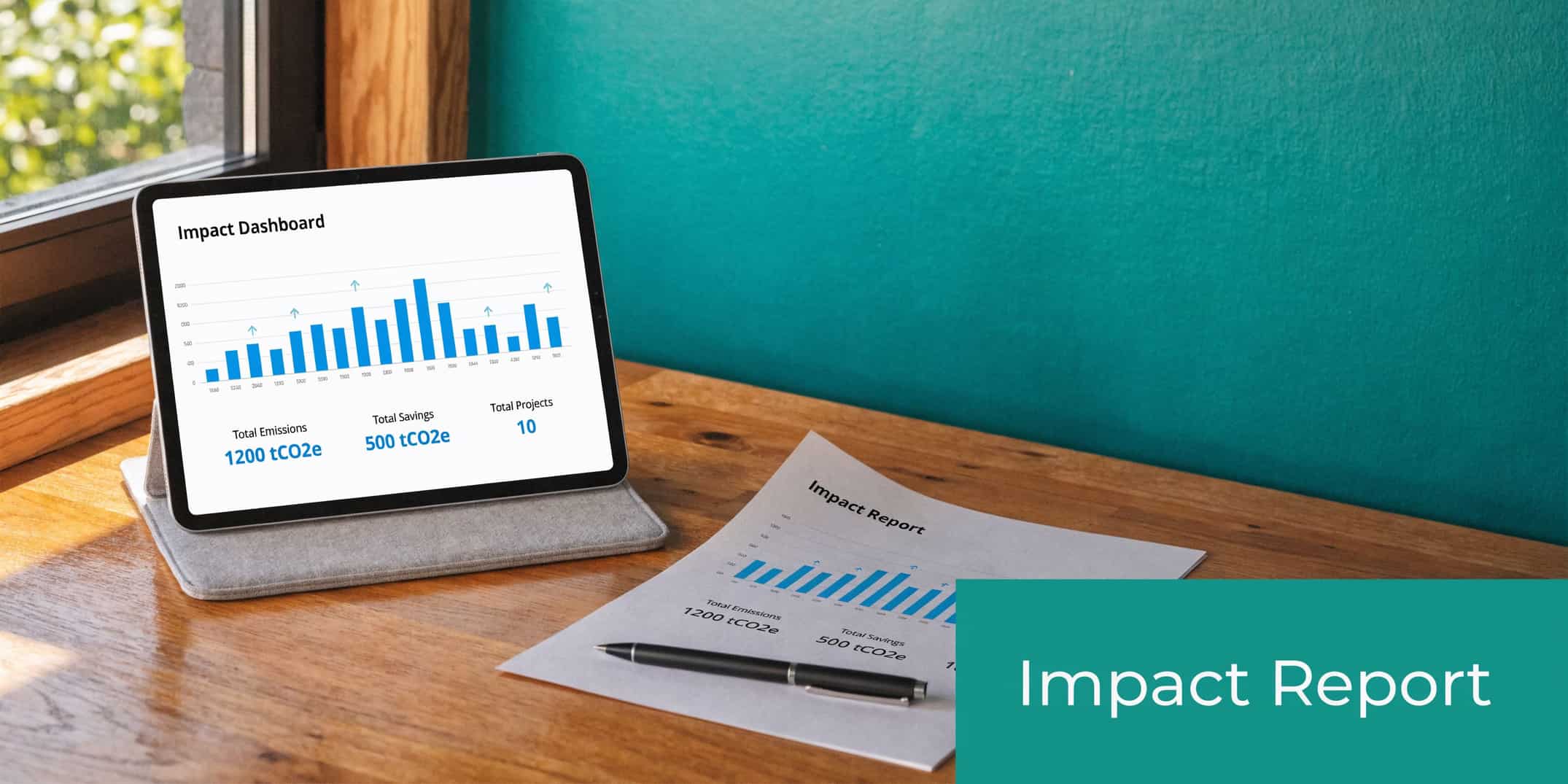
Donors stay when they can see what their gift did. They lapse when your reporting stays vague.
Many organizations lose momentum here. They send a sincere thank-you, then go quiet until the next appeal. Donors remember the ask, but not the outcome. That weakens trust.
Groups such as Teach For America and The Nature Conservancy have trained donors to expect clear reporting about progress, program work, and results. You do not need a national communications team to do the same. You need clean financial data and a habit of sharing it plainly.
Show where the money went
Restricted gifts deserve clear reporting. If someone funded scholarships, meals, worship ministry, or a sponsored project, report on that area directly. Do not bury it inside a broad annual summary.
Here is what works better than a polished but fuzzy update:
- Name the program: Tell donors which initiative their support funded.
- Connect spending to work: Explain what the organization did with those resources.
- Close the loop: Share what changed because the gift was used.
If your annual report process feels painful, this annual report template for nonprofits can help you structure it without starting from scratch.
Make reporting part of stewardship, not a year-end chore
Strong reporting should come from your books, not from a scramble for anecdotes in December. That matters even more if you manage grants, church funds, school programs, or fiscal sponsorship projects.
AlignMint was built so finance and fundraising data live together. That means your team can track restricted funds by program, pull current balances, and prepare donor updates using current records. You spend less time reconciling numbers and more time explaining impact in language donors understand.
Donors do not need a glossy packet. They need confidence that your organization knows what happened with their gift.
When your impact reporting is credible, timely, and specific, retention work gets easier. Staff stop guessing what to say. Donors stop wondering whether their support mattered.
3. Multi-Channel Engagement Strategy
You do not need to be everywhere. You do need to be present where your donors respond.
A digital-first approach can help when it is done thoughtfully. Research highlighted by NextAfter found that nonprofits using a digital-first fundraising approach average a 53% donor retention rate across channels, summarized in this NextAfter donor retention article. That does not mean direct mail is dead. It means disconnected outreach is expensive.
Many directors hear "multi-channel" and picture more work. It should mean better coordination, not more noise.
Match the channel to the relationship
An email may be right for a program update. A text may be better for an event reminder. A mailed note may still be your best tool for an older major donor. The mistake is sending every donor every message in every format.
Consider a simple structure:
- Email for updates and appeals: Good for detail, links, and regular communication.
- Text for reminders: Best for short, timely notices.
- Events for relationship building: Useful for donors, volunteers, and board prospects.
- Social and peer sharing: Best for reach and community visibility.
NPR, World Wildlife Fund, and charity: water all work across channels, but the lesson is not to copy their volume. It is to keep the message consistent and the donor experience connected.
Keep one record of the relationship
If your email platform does not talk to your donor system, and your event system does not talk to either one, your staff cannot tell what a supporter experienced. That leads to repeated asks, missed thank-yous, and awkward timing.
With AlignMint, we keep email, text, donor records, events, online giving pages, and accounting in one place. That helps your team see the full picture before sending the next touch.
One more important point. Multi-channel does not mean more asks. Some of your strongest touches should be gratitude, short updates, and invitations to reply.
4. Recognition & Appreciation Programs
Recognition keeps donors emotionally connected. Done well, it says, "You belong here."
Done poorly, it feels performative or uneven. That is the trade-off to manage.
Some donors appreciate public acknowledgment. Others want quiet thanks and clear evidence that the mission matters. Universities, cancer research groups, and community foundations often formalize this through donor circles, scholarship naming, or appreciation events. Smaller nonprofits can borrow the principle without copying the scale.
Make recognition feel earned and personal
Start by tracking milestones your team can notice consistently. Giving anniversaries, recurring gift anniversaries, volunteer-to-donor transitions, and long-time support all deserve acknowledgment.
A few recognition methods hold up well:
- Personal notes: Best for first gifts, second gifts, and milestone years.
- Program-specific thanks: Useful when donors care about one area.
- Small gatherings: Good for building community among loyal supporters.
- Annual recognition lists: Helpful if donors opt in and names are accurate.
Systems matter more than creativity here. If your records are inconsistent, you miss birthdays, anniversaries, and donor tiers. If your records are clean, appreciation becomes part of the routine instead of an occasional scramble.
Avoid the common mistakes
Recognition should not create classes of "important" and "less important" donors. It should reflect gratitude at every level. It should also avoid forcing public recognition on donors who prefer privacy.
A practical approach is to ask for preferences and save them in the donor record. Then your staff can thank donors in ways that fit the relationship.
AlignMint helps by tracking giving history, pledge status, donor notes, and event participation together. That makes it easier to spot milestones automatically and plan recognition that feels consistent across your team.
The strongest appreciation programs are simple. They are prompt, accurate, and sincere. Most donors can tell the difference.
5. Planned Giving & Legacy Donor Programs
A planned giving program gives committed supporters a way to express long-term trust. It also helps your organization think beyond the next campaign.
Many leaders postpone this work because it sounds too formal, too legal, or too large for a mid-sized nonprofit. In practice, a legacy program often starts with better conversations and better recordkeeping.
National Parks Foundation, United Way chapters, and university advancement offices all keep some form of legacy society or documented bequest intention. You do not need that level of structure on day one. You do need a reliable place to record interest, follow-ups, and family or advisor contacts.
Treat legacy giving as relationship work
Planned gifts usually come from people with a long record of belief in your mission. That may be a loyal donor, a volunteer, a church member, a retired teacher, or an alumna who has stayed close for years.
A practical process looks like this:
- Identify likely prospects: Long-time donors, recurring supporters, and highly engaged volunteers are a natural starting point.
- Invite the conversation gently: Use language about values, legacy, and future impact.
- Track intentions carefully: Record conversations, documents received, and stewardship notes.
This is one area where over-automation can backfire. A planned giving prospect should never feel like they entered a marketing funnel. Human follow-up matters.
Keep the details organized
Where nonprofits get into trouble is not the conversation. It is losing the notes after the conversation. A staff change happens, and the context disappears with it.
In AlignMint, your team can track donor intentions, pledges, notes, and related activity in the same record used for everyday stewardship. For schools, churches, and fiscal sponsors, that matters because the relationship often spans years and multiple kinds of support.
Planned giving should feel calm and respectful. The goal is not pressure. The goal is to give committed supporters a clear way to make a lasting gift, then steward that intention with care.
6. Donor Feedback & Listening Programs
Listening improves retention because it shows respect. It also helps you fix problems before donors leave.
Most organizations ask donors what they think far less often than they should. Staff worry about bothering people, or they send one broad annual survey and call it done. Neither approach gives you much to work with.
The stronger practice is targeted listening. Ask a recent first-time donor about their giving experience. Ask a recurring donor what updates they value. Ask a lapsed donor why they stepped back. The questions should match the relationship.
Use short feedback loops
Long surveys get ignored. Short, well-timed questions usually get better answers.
Research summarized by Media Cause describes micro-surveys after interactions as one of the proven tactics nonprofits are using, along with feedback loops around second gifts and donor segmentation, in this donor retention strategies article from Media Cause.
That fits what many practitioners already know. Donors are more likely to respond when the question is specific and the timing makes sense.
Try prompts like these:
- After a first gift: What inspired you to give today?
- After an event: What part of the experience mattered most to you?
- After a lapse: What would make our updates more useful to you?
Record feedback where staff can find it
The value of donor feedback drops fast if it stays in someone's inbox. Put it in the donor record, then use it.
That gives your team a practical advantage. If a donor has said they care most about student support, ministry outreach, animal welfare, or one sponsored project, your next update can reflect that. If they asked for fewer appeals, your team can honor that request.
AlignMint lets staff store notes, communication preferences, survey responses, and giving history in one place. That matters for small teams because listening only helps if someone can act on what they heard.
Donor feedback is not a courtesy exercise. It is a retention tool.
When donors see that you changed something because they spoke up, trust deepens. That is hard to manufacture any other way.
7. Peer-to-Peer & Network Fundraising
Peer-to-Peer fundraising helps retention because it changes a donor from supporter to advocate. That shift matters.
When someone raises money on your behalf, they tell their own story about why your mission matters. That usually creates a deeper bond than a single gift on its own. It also introduces your organization to people who may trust the fundraiser before they trust you.
St. Baldrick's Foundation, Movember, Relay for Life, and many local schools and churches use this model well. The strongest campaigns make participation simple. The weakest ones ask supporters to become fundraisers without giving them a clear path.
Give people a campaign they can run
Your staff should not assume donors know how to fundraise. They need a page, a message, a timeline, and a reason to invite others now.
Three pieces make this easier:
- Personal fundraising pages: Let supporters explain why they care.
- Simple email and text prompts: Give them language they can send without rewriting everything.
- Visible progress tracking: People stay engaged when they can see momentum.
This strategy works especially well around events, memorial gifts, school campaigns, church projects, and project-specific goals under fiscal sponsorship.
Steward the fundraiser, not just the gifts
A common mistake is thanking the donors but forgetting the person who did the asking. That fundraiser needs updates, encouragement, and recognition too.
With AlignMint, peer-to-peer activity can stay connected to the donor and campaign record instead of sitting in a separate system. That helps your team see who gave, who shared, who hosted, and who might become a strong volunteer, recurring donor, or future board candidate.
Peer-to-peer campaigns do take staff time. If your team is stretched thin, start with one focused campaign rather than a year-round program. A smaller, well-supported effort will usually outperform a bigger campaign that leaves participants guessing.
8. Monthly Giving & Recurring Donation Programs
A donor gives $25 once, means it, and then disappears into a crowded inbox and a busy life. That same donor might have stayed for years with a simple monthly option, a clear reason to choose it, and a follow-up plan that did not add work your team could not sustain.
Monthly giving helps retention because it turns one decision into an ongoing habit. It also gives directors something just as valuable. More predictable cash flow, fewer gaps between touchpoints, and less pressure to replace one-time donors every quarter.
Make the monthly option visible and specific
Many organizations have recurring giving turned on, but they treat it like a hidden setting instead of a core retention strategy. If donors have to hunt for the option, or if the form never explains what a monthly gift supports, sign-up rates stay lower than they should.
Start with the giving form. Put the monthly option first where it fits, preselect sensible amounts, and connect each amount to a concrete outcome your team can deliver on in reporting. "$20 a month helps cover one student meal kit" works better than a vague request for ongoing support.
The trade-off is real. A strong monthly ask can reduce some larger one-time gifts on the same page. For many nonprofits, that is still a good exchange because retained monthly donors often produce more stable value over time.
Build a monthly donor experience, not just a billing schedule
Recurring donors should not keep receiving the same generic appeals as everyone else. They already said yes to ongoing support. The job now is to confirm that they made a good decision.
A practical setup looks like this:
- Welcome series: Send an immediate thank-you, then a short sequence that explains what monthly support makes possible.
- Milestone recognition: Mark 3 months, 6 months, and 1 year with a personal note or impact update.
- Smarter segmentation: Reduce general donation asks and replace them with updates, stories, and occasional upgrade invitations.
Teams often get stuck here because the strategy is clear but the execution gets scattered across forms, spreadsheets, email tools, and finance records. AlignMint keeps recurring gifts, receipts, donor records, and follow-up tasks in one place, so staff can set the workflow once and run it consistently without stitching together multiple systems.
Catch failed payments before donors lapse
A large share of recurring donor loss has nothing to do with mission fit. Cards expire. Bank accounts change. Email notices go unseen.
That means your recovery process matters almost as much as your initial ask. Set up a prompt, polite payment retry sequence. Flag accounts that fail more than once. Give staff a short call or email script for higher-value monthly donors who need a personal touch.
With AlignMint, your team can track active recurring donors, spot failed payments, trigger receipting, and reconcile gifts without leaving the same system. That saves time and effectively closes the gap where loyal donors often slip away for administrative reasons.
Done well, a monthly program becomes one of the few retention strategies that strengthens fundraising operations and donor experience at the same time. That is why it belongs in the day-to-day system your team already uses, not on a wish list for later.
9. Lapsed Donor Re-engagement Campaigns
A donor who has gone quiet is often easier to win back than a stranger is to acquire. The relationship already exists. What usually broke was attention, timing, or follow-up.
That is why re-engagement needs its own workflow, not a leftover annual appeal list. Some donors paused because life changed. Others stopped because your messages became generic, a card expired, or nobody noticed that they slipped from active to inactive.
Segment by lapse reason, not just by date
Recency matters, but it is only part of the picture. A donor who gave 14 months ago after volunteering at an event should not get the same message as a donor who stopped a recurring gift two years ago.
Start with three practical groups:
- Recently lapsed donors: Reference their last gift, the program they supported, and one clear update on what happened since.
- Long-lapsed donors: Reintroduce the mission in plain language and invite them to reconnect without pressure.
- Former recurring donors: Ask whether a payment issue, budget change, or life transition interrupted their support.
If you track volunteer activity alongside giving, that context sharpens the message. A donor who also served with your organization may respond better to a service update or invitation than to another direct ask. Teams that want a cleaner handoff between volunteer and donor records can borrow ideas from these volunteer management best practices.
Use a short sequence with one job per touch
One email can remind. A sequence can recover.
A practical win-back campaign usually includes three touches over two to four weeks. Start with a personal update tied to the donor's past support. Follow with a story or result that shows the mission still matters. Close with a simple invitation to give, reply, or update their preferences. That last option matters more than many teams realize. Sometimes the best re-engagement result is not an immediate gift. It is a reopened conversation.
At AlignMint, staff can track donor status, run LYBUNT and SYBUNT reports, and group lapsed donors by giving history in the same system they use for records and follow-up. That reduces a common operational problem. The fundraising plan is usually sound, but the list lives in one file, the email draft in another tool, and the next action in someone's inbox.
Respect works better than guilt. Use specific history. Show what changed. Make the return easy. That is how lapsed donor campaigns start producing steady wins instead of one-off recoveries.
10. Volunteer Integration & Servant Leadership Model
Volunteers often become some of your best donors because they have seen the mission up close. They know the names, the faces, and the daily effort behind the mission.
That is why volunteer engagement belongs inside your nonprofit donor retention strategies, not off to the side.
When staff keep volunteer and donor records in separate systems, they miss one of the clearest paths to deeper loyalty. A food bank volunteer may become a monthly donor. A church volunteer may become a campaign leader. A school parent volunteer may become a long-term annual supporter. If nobody can see both sides of the relationship, nobody follows up well.
Connect service and giving without forcing it
Volunteers should never feel that service is just a funnel to fundraising. The point is to recognize that service creates commitment, and commitment often grows into giving.
Habitat for Humanity, local food banks, mentoring groups, and environmental cleanup programs all benefit from this connection. People who serve often tell stronger stories than staff brochures do.
Here are a few practical ways to act on that:
- Track both hours and gifts: See who is engaged across both areas.
- Send volunteer-specific impact updates: Show how service hours changed real outcomes.
- Invite, do not pressure: Offer giving opportunities that match the volunteer's interests.
If you want a practical framework for the volunteer side, these volunteer management best practices are worth reviewing.
Let one team see the full relationship
AlignMint keeps volunteer records, donor data, events, marketing, and accounting in one platform. That means your staff can spot volunteer-donors, thank them in a more informed way, and build pathways from service to long-term support without extra exports or seat fees.
This matters even more for churches, schools, and community nonprofits where the same person may serve, give, attend events, and refer others. A unified record helps your team respond like they know that person, because they do.
Donor Retention: 10-Strategy Comparison
| Item | Implementation complexity | Resource requirements | Expected outcomes | Ideal use cases | Key advantages |
|---|---|---|---|---|---|
| Personalized Donor Communication & Stewardship | Medium–High, data models & segmentation | Donor CRM, analytics, skilled communications staff | Higher engagement, increased donor lifetime value, lower churn | Major donor programs, segmented appeals, stewardship pipelines | Stronger relationships, improved open/response rates |
| Impact Reporting & Results Communication | High, rigorous monitoring & evaluation | M&E staff, data systems, designers, reporting tools | Increased donor trust and retention; stronger case for support | Program-heavy orgs, grant-funded projects, impact-focused appeals | Demonstrates effectiveness and accountability |
| Multi-Channel Engagement Strategy | High, cross-platform coordination | Content creators, channel tools, campaign managers | Broader reach, higher visibility, varied engagement paths | Audiences spanning generations, large public campaigns | Reaches donors on preferred channels; amplifies messages |
| Recognition & Appreciation Programs | Low–Medium, tiering & workflows | CRM tracking, events, communications budget | Improved donor satisfaction; encouragement of larger gifts | Major donors, membership tiers, community fundraising | Cost-effective satisfaction boost; social recognition drives giving |
| Planned Giving & Legacy Donor Programs | High, legal/financial complexity, long-term | Legal/financial advisors, stewardship staff, tracking systems | Large future gifts, long-term predictable revenue | Established institutions, older/well-off donor base | Access to significant deferred gifts; sustained legacy support |
| Donor Feedback & Listening Programs | Medium, design, collection, analysis | Survey/focus group tools, analysis capacity, staff time | Insights to reduce churn, improve satisfaction and programs | Orgs prioritizing retention and service improvement | Identifies problems early; builds donor trust through responsiveness |
| Peer-to-Peer & Network Fundraising | Medium, platform setup and supporter enablement | Fundraising platform, templates, supporter support team | New donor acquisition, viral reach, community mobilization | Events, challenge campaigns, grassroots fundraising | Multiplies reach via personal networks; low acquisition cost |
| Monthly Giving & Recurring Donation Programs | Medium, payment infra and retention workflows | Payment processors, CRM, automated communications | Predictable revenue, increased lifetime value, higher retention | Sustaining programs, child sponsorships, operating support | Reliable income stream; lower cost-per-donor over time |
| Lapsed Donor Re-engagement Campaigns | Medium, segmentation & specific outreach | CRM segmentation, targeted campaign tools, analytics | Restored donors, cost-effective revenue recovery, feedback insights | Orgs with sizable dormant donor lists | More cost-effective than new acquisition; reclaims past supporters |
| Volunteer Integration & Servant Leadership Model | Medium–High, operations and conversion pathways | Volunteer management system, coordination staff, training | Increased donor conversions from volunteers, stronger advocacy | Service-oriented missions, hands-on program delivery | Builds authentic advocates and storytelling; boosts lifetime value |
Turn Your Donor Data into Lasting Relationships
Improving retention is rarely about finding one brilliant tactic. It is about building a steady system your team can run even during a busy month.
That system should make it easy to answer basic questions. Who gave for the first time and needs a second-gift plan. Who is recurring and deserves milestone stewardship. Who volunteered, attended an event, or lapsed without notice. Which restricted fund or program should appear in the next donor update. If your staff cannot answer those questions quickly, the retention plan will always feel harder than it should.
There is also a real trade-off in software decisions. Bloomerang and DonorPerfect are respected CRMs, and many nonprofits use them well for fundraising work. The gap is that many organizations still need separate tools for accounting, volunteers, events, email, text, and reporting. QuickBooks can help with bookkeeping, but classes are not the same as true fund accounting. That leaves executive directors and finance staff patching together donor history, restricted funds, and campaign activity across systems that were never designed to tell one shared story.
For time-poor leaders, disconnected tools create a hidden tax. Staff export data. Finance reconciles by hand. Development waits for numbers. Volunteers live in a separate file. Donor updates get delayed because nobody trusts the report yet. The result is not just inconvenience. It is weaker stewardship.
A better retention approach starts with fewer handoffs. Your donor CRM should know what finance knows. Your event records should be visible to fundraising. Your volunteer history should inform donor outreach. Your marketing tools should connect back to the donor record. When those pieces live together, the strategies in this guide stop feeling theoretical.
AlignMint fits for many small and mid-sized nonprofits. We built it as one system for fund accounting, donor management, volunteer management, events, online giving pages, marketing, team communication, and AI-assisted reporting. Minty helps staff ask questions about real data without exporting to another tool. Our platform also includes donor status tracking, recurring donation support, built-in marketing tools, and plan-based user allowances (1 on Free, up to 10 on Plus, up to 25 on Pro, and unlimited on Enterprise). For nonprofits under $100K in annual revenue, we offer a free tier.
That does not mean software replaces judgment. It does not. Retention still depends on clear thinking, timely follow-up, and a genuine respect for donors. What the right system does is remove friction so your team can spend more time strengthening relationships and less time piecing together records.
If you take one lesson from these nonprofit donor retention strategies, let it be this. Retention improves when donors feel remembered, informed, and connected to outcomes. Build around that, and your fundraising becomes steadier, your planning gets easier, and your mission gains room to grow.
If you want one place to manage donors, accounting, volunteers, events, and outreach, take a look at AlignMint. We built it for nonprofits that want true fund accounting and practical donor stewardship without juggling separate systems.
Frequently Asked Questions
Ready to try AlignMint with your nonprofit?
Start free — set up donor tools, giving pages, and Minty. Upgrade when you need accounting.