7 Available Grants for Nonprofits to Watch in 2026
Finding grants often feels like a second job. Then, if you win one, the substantial work starts. You have to track restricted dollars, document spending, and report cleanly without drowning your team in spreadsheets.
That’s why this guide does more than list available grants for nonprofits. It points you to strong opportunities for 2026 and shows what matters after the award, when fund accounting for nonprofits becomes the difference between calm reporting and late-night cleanup.
Related resources: Fund accounting · Grant management best practices · Grant Finder
1. Google Ad Grants

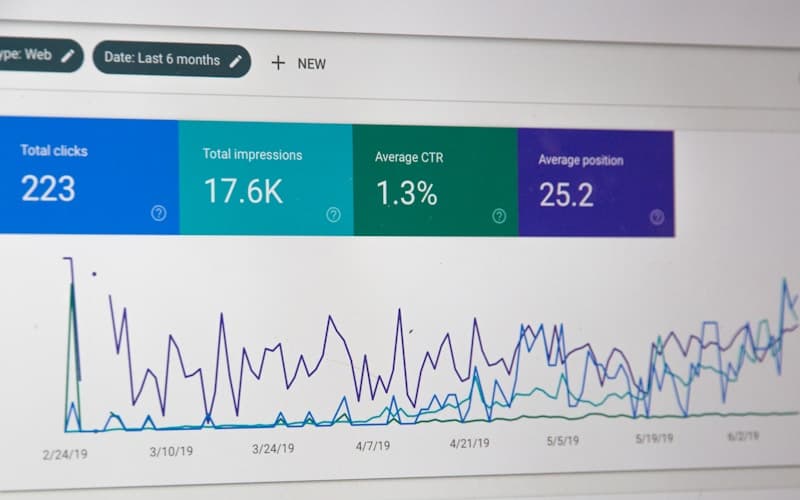
Google Ad Grants is the rare grant that can help you grow visibility without touching your cash budget. If your nonprofit needs more donors, volunteers, or event signups, this is often one of the most practical available grants for nonprofits to pursue first.
Eligible nonprofits can receive up to $10,000 per month in Google advertising credits. That’s in-kind support, not cash, so it won’t solve payroll or rent. It can, however, help you bring new people to donation pages, program pages, and volunteer forms.
Where it fits best
This grant works best when your organization already has a decent website and clear calls to action. Search ads reach people who are already looking for help, ways to give, or local services. That intent matters.
I’ve seen nonprofits get excited about the headline value, then stall because nobody owns the campaigns. Google gives you the credits. It doesn’t run the ads for you.
A few trade-offs matter:
- Best for active demand: Search ads work when people are already looking for terms related to your mission.
- Less useful for brand-new ideas: If nobody’s searching for your program, the grant won’t create interest by itself.
- Good for specific actions: Donation pages, event registration, volunteer recruitment, and service intake tend to fit well.
What can trip you up
The biggest issue isn’t eligibility. It’s ongoing compliance and management. The DonorDock overview of nonprofit tech grants notes that Google Ad Grants require an active website and compliance with advertising policies, which is a real barrier for smaller groups with dated sites or limited staff capacity.
Practical rule: Apply only after your website is ready to convert visitors. Traffic without a clear next step usually becomes wasted credit.
If your donor records live in one system, event signups in another, and volunteer forms somewhere else, Google traffic can expose those gaps fast. You’ll see clicks, but not clean follow-up.
That’s where all-in-one operations matter. When your giving pages, donor CRM, email tools, and accounting are connected, you can follow the grant’s impact. You can tie ad-driven gifts back to campaigns and see whether those restricted donations were spent correctly.
Google Ad Grants is strong because it renews and supports acquisition. It’s limited because it’s search-only and demands attention. For the right nonprofit, though, it’s one of the most accessible ways to expand reach without taking cash away from programs.
2. Walmart Spark Good Local Community Grants
A program manager realizes on Tuesday that the pantry shelves are running low, the summer event still needs supplies, and the budget meeting is next week. That is the kind of moment when Walmart Spark Good Local Community Grants can make sense. They are built for practical, local needs, not long proposals tied to a distant funding cycle.
Walmart states in its Spark Good Local Grants program guidelines that local grants support eligible organizations through nearby Walmart facilities. The appeal is straightforward. These grants are often a better fit for tangible community projects than for broad operating support or long-term capacity building.
Best use for this grant
This program works well when the need is visible, specific, and easy to explain in one or two sentences. Supplies for a school program, materials for a neighborhood cleanup, or support for a community event tend to fit the local-review model better than a complicated systems project.
Smaller grants also carry a real trade-off. They take less time to apply for than many foundation grants, but they can still cost more staff time than expected if the project is vague or the tracking is sloppy after the award comes in.
A local funding decision can help organizations with strong community roots. It can also produce uneven results from one area to another, because store leadership and local context shape what gets funded.
Consider Walmart if you need:
- A defined, near-term project: Concrete requests are easier to review and easier to carry out.
- Local visibility: Programs with a clear community presence tend to make more sense in this format.
- An entry point into grant funding: For smaller nonprofits, a modest award can build internal discipline around applications, documentation, and reporting.
What matters after you win
The grant amount may be small. The compliance work is still real.
If you apply for supplies, event costs, or a specific community activity, that money needs to be tracked against that purpose once it is received. Organizations often treat small local awards casually, then spend extra time at year-end trying to reconstruct what was paid for and whether the spending matched the request.
That is the part many grant roundups skip. Finding funding is only half the job. Restricted funds need to be coded correctly, expenses need to tie back to the approved use, and reports need to be easy to produce if anyone asks questions later.
QuickBooks can record transactions, but many nonprofits end up building manual workarounds for grants, donor restrictions, and program-level reporting. That approach can hold for one award. It gets messy fast when you are juggling several small grants alongside donations, ticket sales, and recurring expenses.
We built Alignmint to handle that operational gap in a more direct way. Each grant can be tracked as its own funding source, alongside donor activity and spending, so the restriction is visible from the start instead of reconstructed later.
Walmart’s local grants will not carry an annual budget. They can solve a real community need quickly, and for many nonprofits, that makes them worth keeping on the shortlist.
3. Bank of America Neighborhood Builders
Your team gets the award email. Everyone is excited for good reason. Then the practical questions show up fast. Who owns the reporting, how will the funds be coded, and can leadership take on the visibility and program commitments that come with the grant?
That is why Bank of America Neighborhood Builders deserves a closer look than a simple funding roundup usually gives it. The program is known for pairing charitable support with leadership development and national recognition through Bank of America's Neighborhood Builders program. For an established nonprofit, that package can strengthen more than one part of the organization at once.
Best fit for organizations that already have operating discipline
This is usually a stronger fit for a nonprofit that has a clear program model, stable leadership, and outcomes it can explain without dressing them up. If your organization is still refining its core approach, the visibility can arrive before the systems are ready.
That matters because funder relationships often work better when the proposal is plainspoken and specific. The Center for Effective Philanthropy's research on foundation practice and grantee experience reinforces a point many nonprofit leaders learn the hard way. Funders do not always see operational strain as clearly as grantees do. A crisp explanation of need, execution, and expected results usually travels better than broad mission language.
If you pursue Bank of America, keep the case tight:
- Describe the community need in concrete terms: Show the problem your team is addressing and why your organization is positioned to do the work.
- Demonstrate follow-through: Make it easy for reviewers to see that your staff, controls, and reporting habits match the opportunity.
- Tie dollars to results: Explain what the grant will fund and what changes because of it.
A practical trade-off
Programs like this can raise your profile and open doors with local stakeholders. They also ask for leadership attention, internal coordination, and post-award discipline.
That trade-off is manageable for nonprofits that already run a steady operation. It is harder for teams that still rely on spreadsheets, side notes, and year-end cleanup to track restricted activity. Capacity-building support does not fix weak grant administration on its own.
Post-award setup is where the full grant lifecycle starts to matter. If restricted funds sit in the same bucket as general revenue, reporting gets slow and errors get easier to make. A better approach is to set the structure at the start, including fund coding, spending rules, document storage, and reporting responsibility. Our guide to grant management best practices for nonprofits covers that setup in more detail.
We built Alignmint for this part of the job. Teams can track grants as distinct funding sources alongside donations and expenses, which makes restrictions easier to follow and board reporting easier to produce.
Bank of America Neighborhood Builders is worth watching if your nonprofit is ready to turn outside recognition into stronger internal operations, not just a one-time win.
4. AmeriCorps State and National Grants
A nonprofit wins an AmeriCorps grant, announces new member slots, and starts recruiting fast. A few months later, the pressure shifts. Timesheets need to match service activity, match documentation needs to hold up, supervisors need consistent records, and finance needs to separate restricted spending cleanly from the rest of the budget.
That pattern is common because AmeriCorps changes capacity and increases administrative load at the same time.
For organizations running education, workforce, public health, disaster response, or community engagement programs, that trade-off can still make sense. AmeriCorps State and National grants support member service, measurable outcomes, and a program structure that can expand what a small team can deliver in a year.
The fit is strongest when the underlying program already works. You need a defined service model, active supervision, and a team that can document what happened without recreating the story at reporting time.
Where AmeriCorps pays off, and where it gets hard
Leaders often focus on the added people power first. Fair enough. Extra hands can increase enrollment, extend service hours, or open a new site.
The harder part starts after award. AmeriCorps asks for discipline across program management and finance. Member files, allowable costs, match tracking, performance measures, and deadlines all need clear ownership. If those responsibilities sit loosely across departments, small gaps become audit problems.
That is why post-award setup matters as much as the application. Restricted grant activity should be coded separately from day one. Supporting documents should live in one place. Program staff and finance should work from the same source of truth, not compare notes at month end. These grant management best practices for nonprofits help teams set up that structure before compliance gets messy.
A few signs your organization is ready:
- Program delivery is consistent: Staff can explain the service model, supervision plan, and intended outcomes without guessing.
- Financial controls are already in place: The team can track restricted expenses, approvals, and documentation in a way that survives review.
- One person owns the grant calendar: Reporting dates, member records, and reimbursement requirements do not get managed informally.
AmeriCorps also exposes weak systems fast. Program staff may track member activity in one tool while finance records costs in another and leadership builds reports by hand. That setup can work for a small private grant. It becomes much harder when federal requirements and restricted fund reporting are layered on top.
An integrated system helps because the full lifecycle stays connected. The same setup used to apply for funding should carry into fund coding, document storage, spending oversight, and board reporting after award. Alignmint supports that kind of grant tracking alongside donations and expenses, which makes it easier to see what was awarded, what was spent, and what still needs support.
If your AmeriCorps program includes volunteers, events, or public-facing service activity, operational planning may also overlap with site safety and staffing decisions. This guide to understanding the different types of professional protection services can help frame those decisions for organizations coordinating visible community work.
AmeriCorps is a strong option for nonprofits that want funded service capacity and have the internal habits to manage federal restrictions well after the award letter arrives.
5. FEMA Nonprofit Security Grant Program NSGP
For churches, faith-based schools, and community nonprofits with visible facilities, the FEMA Nonprofit Security Grant Program can be one of the most relevant federal opportunities available. It’s not broad operating support. It’s targeted money for reducing security risk.
The program supports security equipment, planning, training, and exercises through FEMA’s nonprofit security grant program page. That makes it especially important for organizations that host large gatherings, serve vulnerable populations, or carry a public profile.
A strong option for faith-based groups, with limits
Many grant roundups mention faith-based eligibility but stop there. That leaves out the part leaders need to understand. Eligibility is one thing. Program design and compliance are another.
The Grant Portal brief included in the verified data says there has been a 35% increase in faith-based grant queries over the last 12 months. That tracks with what many churches and religious schools are experiencing. Interest is up, but clear guidance is still thin.
For FEMA NSGP, the main challenge is technical preparation. You’ll usually need a risk-based case, state-level coordination, and a strong investment justification. Security consultants can help, and in some cases outside guidance on understanding the different types of professional protection services can sharpen your planning before you submit.
What works in practice
Applications tend to improve when the request is concrete. Cameras, access controls, training, communication systems, and documented vulnerabilities are easier to defend than vague statements about safety.
For churches and schools, there’s also a financial side after the award. Security grants can involve equipment purchases, vendor payments, restricted use tracking, and board reporting. If your finance process isn’t built for fund restrictions, those purchases get messy quickly.
A few lessons hold up well:
- Separate the project early: Create a dedicated grant structure before any spending begins.
- Keep documents together: Bids, invoices, approvals, and training records should live in one place.
- Coordinate finance and facilities: Security projects often fail administratively when operations and accounting stay in separate lanes.
This is one area where church-specific needs matter. Religious organizations often juggle donations, designated gifts, school activity funds, and facility spending at the same time. If your system treats all of that as general ledger cleanup later, a security grant adds friction.
NSGP is compelling because it addresses a real operational risk, not just a program wish list. For faith-based organizations and schools especially, it’s one of the available grants for nonprofits that can protect your people while also forcing better internal discipline.
6. AWS IMAGINE Grant
AWS IMAGINE Grant is appealing because it supports modernization, not just direct service. If your nonprofit has a real cloud, data, or AI project, this is one of the few programs built for that kind of work.
The fit has to be real, though. This isn’t a casual technology grant for “we need better systems.” It rewards nonprofits that can describe architecture, implementation, and organizational readiness with precision.
Why this grant matters now
Technology funding for nonprofits is growing, but it’s fragmented. The Keela technology grant analysis reports 189+ active technology grants, a median grant size of $2.0M, and aggregate funding of $597.9M. It also notes that the grant funding environment is highly uneven, with tiny corporate awards on one end and very large federal initiatives on the other.
That fragmentation is exactly why AWS IMAGINE gets attention. It can support a serious modernization push, especially for nonprofits building on AWS or exploring AI-related services.
AWS is a better fit when you have:
- A defined technical project: Data platform work, cloud migration, or AI-supported service delivery.
- Internal technical leadership: Someone has to speak credibly about the build, not just the mission.
- Tolerance for complexity: Reviews, architecture conversations, and implementation planning are part of the process.
The trade-off most nonprofits miss
Cash plus credits can sound better than it is if your team can’t absorb the project. Credits are only useful when your organization is prepared to use the underlying tools.
That’s why I’m cautious when leaders chase tech grants before fixing day-to-day operations. If your finance team still exports reports manually and your development data lives apart from accounting, a custom cloud project may not be the first problem to solve.
This is also where AI talk gets noisy. If you’re sorting hype from practical use, our piece on AI nonprofit financial management hype vs reality is a useful reality check before you build a grant narrative around AI.
The best technology grant is the one your staff can actually put into use within your current operations.
In our view, many nonprofits need simpler wins first. Better fund accounting. Cleaner donor records. Built-in marketing. Shared team communication. Then AI can help surface answers inside real data, which is why we built Minty AI into daily workflows instead of treating it like a separate experiment.
AWS IMAGINE is promising for organizations with technical maturity and a project that justifies the effort. If that describes your team, keep it on the list. If not, don’t force a cloud grant into an operations problem.
7. National Endowment for the Arts NEA Grants for Arts Projects
A familiar arts grant scenario goes like this. The team builds a strong narrative, secures partner letters, and gets everyone excited about the project. Then the budget and reporting plan lag behind, which is often where a federal application starts to weaken.
The NEA Grants for Arts Projects page lays out a program built for project-based work across artistic disciplines. Museums, performing arts groups, community arts organizations, and cultural nonprofits often pursue it because the award can fund real programming and signal credibility to other funders.
That credibility matters. An NEA award can strengthen future conversations with local governments, foundations, and major donors. It also raises the bar internally. Once federal money is involved, restricted spending, documentation, and reporting need to be handled with much more discipline than many arts teams use for smaller local grants.
That is the trade-off.
Private arts funding may be faster to apply for and simpler to administer. NEA funding usually carries more visibility, but it also asks for a tighter project plan, cleaner financials, and stronger follow-through after the award. For a small organization with a part-time finance function, that difference is not academic. It shapes whether the grant helps your mission or creates months of cleanup.
Budget quality carries a lot of weight here. Reviewers need to see that staffing, artist fees, outreach, venue costs, accessibility expenses, and evaluation all connect to the proposed activities. If your team needs a clearer starting point, this grant proposal budget template for nonprofit applications is a practical resource.
Three habits make NEA project grants much easier to manage well:
- Tie each line item to a specific activity. If the proposal includes workshops, performances, exhibitions, or public engagement, the budget should reflect each piece clearly.
- Set up restricted fund tracking before the grant starts. Arts groups often mix ticket revenue, donations, sponsorships, and grant funds in the same workflow. That creates avoidable compliance problems.
- Build the reporting process early. Save support for expenses, document outputs as they happen, and decide who owns grant reporting before submission.
I have seen arts organizations win respected grants and still struggle because program data lived in one system, contributed revenue in another, and accounting somewhere else entirely. The grant was not the problem. The handoff after the award was.
That broader lifecycle is why NEA belongs on this list. It is not just a funding source to find. It is a grant to manage well from application through final report. An integrated system makes that much easier because your restricted funds, revenue activity, and documentation stay connected instead of being reconstructed later.
For arts nonprofits with the operational discipline to support it, NEA Grants for Arts Projects are worth serious attention.
7-Grant Comparison for Nonprofits
| Program | Implementation complexity | Resource requirements | Expected outcomes | Ideal use cases | Key advantages |
|---|---|---|---|---|---|
| Google Ad Grants (in‑kind) | Low–Medium, account/site compliance and ongoing optimization | Website that meets policy, staff/agency time for ad management | Increased search-driven traffic, donations, volunteers, signups | Donor acquisition, event promotion, volunteer recruitment | Up to $10,000/month in free Google Search ad spend; predictable renewable value |
| Walmart Spark Good Local Community Grants | Low, simple local application cycles | Minimal staff time, Spark Good account verification | Small, near-term funding for supplies and program costs | Local projects, schools, practical program needs | Fast local impact with straightforward application |
| Bank of America Neighborhood Builders | High, competitive nomination/selection process | Organizational readiness, leadership time for training, capacity to scale | Large unrestricted funding + leadership development and network growth | Mid-sized nonprofits seeking capacity building and scale | $200,000 over two years plus executive training and national peer network |
| AmeriCorps State and National Grants (FY 2026) | High, complex application, match and performance rules | Program management capacity, ability to supervise members, match funds | Expanded program delivery via AmeriCorps members; federal support and training | Service-focused programs in education, disaster, economic opportunity | Combines funding with people power and federal technical assistance |
| FEMA Nonprofit Security Grant Program (NSGP) | Medium–High, technical risk assessment and Investment Justification | Coordination with state agencies, security planning, procurement ability | Improved physical security and reduced risk for facilities | At‑risk facilities (houses of worship, schools, community centers) | Targeted federal funding for security equipment, planning and training |
| AWS IMAGINE Grant (for nonprofits using cloud/AI) | High, technical proposals, architecture reviews and pitches | AWS adoption, in‑house or partner technical expertise, project readiness | Cash + AWS credits, technical enablement, accelerated cloud/AI projects | Nonprofits pursuing data, cloud or AI modernization projects | Mix of cash and AWS credits plus technical support and visibility |
| NEA Grants for Arts Projects | Medium–High, detailed narratives, budgets and peer review | Program development, evaluation capacity, compliance and reporting | Project-based funding, increased credibility and community arts access | Arts organizations seeking project support and audience engagement | Prestigious federal support that enhances credibility and reach |
From Application to Audit Simplify Your Grant Workflow
A grant award solves one problem and creates another. You have funding, but now you need clean controls, clear reporting, and confidence that restricted dollars are being spent exactly as promised.
That’s where many nonprofits hit the wall. The grant search gets attention, but post-award management gets patched together with spreadsheets, shared drives, and accounting workarounds. It works until it doesn’t.
The broader funding picture makes this even more important. Private foundations remain central for many nonprofits, and the Instrumentl summary notes that they are the primary award source for 95% of organizations identifying them as their top funder, while corporate contributions accounted for just 3% of total grant funding in that data set. That mix is one reason diversified grant pursuit matters, especially when funding sources shift over time.
The same source also notes that larger foundations exceeding $10 million in annual funding tend to have lower application success rates because of stronger competition, while smaller foundations under $1 million may offer a strategic advantage for small and midsized nonprofits. That practical takeaway matters more than broad grant optimism. Fit and manageability usually beat prestige.
If your organization is pursuing multiple grants, the operational question becomes simple. Can your current system answer these questions quickly and accurately?
Can you see every restricted balance in real time.
Can finance and development work from the same donor and revenue picture.
Can you track grant expenses by program without class-based accounting tricks.
Can you produce Form 990-ready reports without rebuilding them by hand.
Can your team collaborate without buying another seat every time someone needs access.
That’s the reason we built Alignmint as an all-in-one platform. We combine true fund accounting, donor management, volunteers, events, online giving, marketing, and team communication in one system. For nonprofits under $100K in annual revenue, we also offer a free tier, which matters for smaller teams that can’t afford to piece together five separate tools.
This is especially useful for churches, schools, and fiscal sponsors. Those organizations often manage restricted gifts, designated funds, events, grants, and multiple stakeholders at once. A disconnected stack makes every award harder to manage than it should be.
QuickBooks still has a place for many organizations, and it’s familiar to finance teams. Salesforce is powerful for CRM-heavy groups. Bloomerang, Little Green Light, DonorPerfect, and Kindful each bring strengths in fundraising workflows. VolunteerHub and SignUpGenius can help with volunteer coordination. Mailchimp handles email well. Eventbrite is easy for ticketing. The issue isn’t that these tools are bad. It’s that nonprofit leaders often end up acting as the integration layer between them.
That’s exhausting when you’re also trying to manage grants well.
If you want a better system after the award, explore our all-in-one platform or read our guide on choosing nonprofit accounting software.
If you’re tired of chasing available grants for nonprofits in one system and managing the fallout in three others, take a look at Alignmint. We built it for nonprofit leaders who need true fund accounting, donor CRM, volunteers, events, marketing, and AI help in one place, without per-seat fees.
Ready to see how Alignmint works for your nonprofit?
Schedule a free walkthrough — we'll set everything up for you.