
Raffle Prize Ideas: Build Capacity, Excite Donors
For related tools, see AlignMint features.
Quick Answer: Raffle Prize Ideas: Build Capacity, Excite Donors
The strongest raffle prize ideas are specific, easy to explain, and valuable after the drawing ends. For nonprofit audiences, capacity-building prizes such as bookkeeping help, donor stewardship training, software access, grant support, or strategic planning can feel more meaningful than generic baskets because they help another mission-driven team get stronger.
Your annual fundraiser is coming up, and the raffle question lands on your desk again. You need raffle prize ideas that will move tickets, not another pile of donated mugs, candles, and leftovers from last year’s gala. You also don’t have time to chase prizes that look good on paper but create more work than value.
There’s a better way to think about this. The strongest raffle prizes don’t just entertain one winner for a weekend. They can help another nonprofit get stronger, cleaner, and better run. That makes your raffle a mission-multiplier, not just a side attraction.
This approach also fits what we see in practice. Experience-based prizes can outperform material items in ticket sales volume, according to benchmarks summarized by Bloomerang’s roundup of raffle ideas, which is one reason service-based prizes deserve serious attention in your planning experience-based raffle benchmarks. And if you still need a more traditional event angle for another audience segment, this guide on how to choose impactful golf prizes is a useful companion.
The list below focuses on practical, high-value raffle prize ideas for nonprofit leaders. These are prizes a board member can donate, a local firm can sponsor, or a peer organization can genuinely use.
1. AlignMint Premium Annual Subscription

If you want a raffle prize with obvious value, this is one of the strongest options. A full-year subscription to AlignMint gives the winner one place to manage fund accounting, donor records, volunteers, events, and marketing.
That matters because software sprawl wears teams down. Executive directors end up approving duplicate subscriptions, finance teams re-enter gifts by hand, and staff chase reports across separate systems. A prize that removes that clutter feels substantial.
Why this prize gets attention
For a growing nonprofit, software is never just software. It affects whether your team can close the month cleanly, thank donors on time, and see what an event raised after expenses.
AlignMint works well as a prize because the value is easy to explain:
- One system instead of many: The winner can manage accounting, CRM, volunteers, events, and communications in one place.
- True fund accounting: Restricted funds, grants, and programs are built in natively, not forced through workarounds.
- No seat anxiety: Plan-based user allowances (1 on Free, up to 10 on Plus, up to 25 on Pro, and unlimited on Enterprise) means staff, finance, development, and volunteers can all participate without per-user math.
Practical rule: If your raffle audience includes executive directors, board treasurers, or operations staff, prizes that save staff time often land better than another physical item.
This is especially compelling for churches, schools, and fiscal sponsors. Those groups usually need clear reporting, shared visibility, and clean records across several moving parts. If your audience includes smaller nonprofits, it also helps that we offer a free tier for organizations under $100K in annual revenue.
How to package it well
Don’t offer the subscription as a bare software license. Frame it as a year of operational relief. Include a short setup session or implementation consult if you can secure it.
This prize also works nicely in a board-led campaign. A board member who already believes in better systems can underwrite the prize, while your event team promotes the practical outcome. Cleaner books, better donor follow-up, and fewer disconnected tools.
If you’re comparing platforms, it’s fair to say Qgiv, Givebutter, and Zeffy each have strengths in fundraising and event workflows. But for a raffle prize aimed at organizational capacity, a broader operations platform stands out because the winner gets support across finance, donors, volunteers, and communication in one account.
2. Professional Nonprofit Bookkeeping Consultation Package
A bookkeeping consultation package may not sound glamorous at first. In practice, it’s one of the most useful raffle prize ideas you can offer to a nonprofit leader who is tired of uncertainty around the numbers.
This works best when the prize includes time with a nonprofit accountant or CPA who understands restricted funds, grant tracking, board reporting, and Form 990 preparation. Most organizations don’t need abstract advice. They need someone to look at the chart of accounts, workflows, reconciliations, and reporting gaps.
Where this prize helps most
I’d target this prize to groups that have grown quickly, changed bookkeepers, or added grants without updating financial processes. Those are the teams most likely to feel the pain.
A good consultation package can cover:
- Chart of accounts review: So reports reflect programs, grants, and restrictions clearly.
- Workflow cleanup: So deposits, donor records, and expense coding stop drifting apart.
- Board-ready reporting: So your treasurer and finance committee get answers they can trust.
If the winning nonprofit is still handling too much in spreadsheets, point them to nonprofit bookkeeping software guidance. It helps frame what good bookkeeping support should lead to after the consultation ends.
Clean books don’t just satisfy auditors. They lower stress across the whole leadership team.
How to make the prize feel substantial
Package the consultation as a series, not a one-off meeting. A kickoff session, a review of current records, and a written action memo make the prize feel real and usable.
This prize is especially strong if your event attracts finance-minded supporters, board members, or local accounting firms. Many CPAs are willing to donate advisory time when the scope is defined clearly and the beneficiary is another nonprofit.
It also pairs well with a finance breakfast, accountability workshop, or governance event. In that setting, the prize doesn’t feel dry. It feels like a shortcut to confidence.
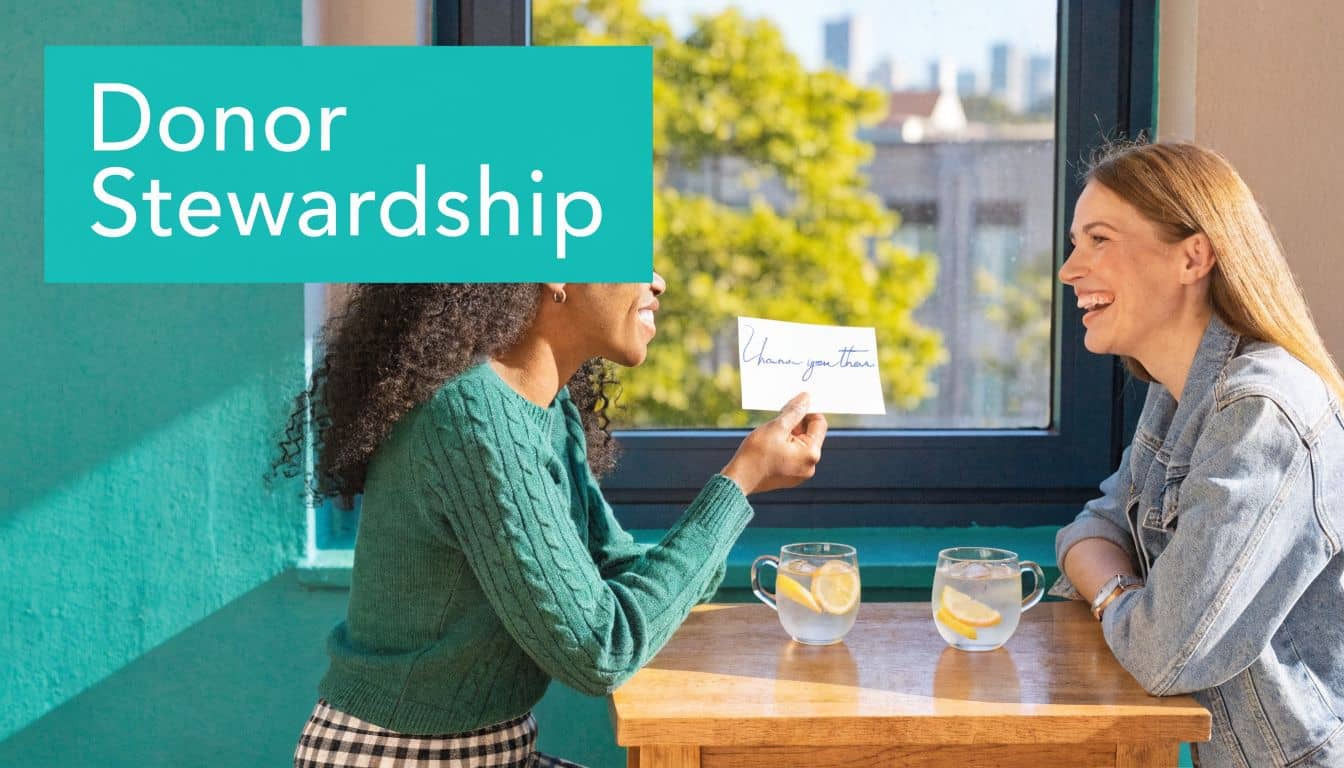
3. Donor Stewardship and Relationship Management Training
A lot of raffles focus on what donors want to win. This prize focuses on what a nonprofit needs to keep donors close after the event ends.
That makes donor stewardship training a smart raffle prize for development teams, executive directors, and board members who know donor retention matters but haven’t built a consistent system for it. The best version includes live instruction, message planning, and practical CRM habits.
Why this beats another generic marketing prize
A general marketing consult can drift into brand talk and broad ideas. Stewardship training is narrower and more valuable because it affects donor relationships directly. It helps teams decide who gets thanked, when follow-up happens, what notes belong in the CRM, and how to avoid one-size-fits-all outreach.
If the winner needs a stronger structure behind the training, this guide to donor stewardship software is a good next step.
Use this prize when your audience includes:
- Small development teams: They need simple rhythms, not complicated campaigns.
- Executive directors wearing two hats: They’re often fundraising without a full advancement staff.
- Churches and schools: They benefit from more personal, community-based communication.
What makes the prize work
The best training prizes produce something tangible before the session ends. A donor calendar, stewardship segments, or message templates are more useful than a slide deck.
I’d also make sure the winner includes more than one staff person. Stewardship breaks down when only one person knows the plan. If the executive director learns one approach and the development coordinator uses another, donor records become inconsistent fast.
Another practical point. If your organization already runs events, pair this prize with a short CRM cleanup exercise before training begins. Good stewardship depends on usable records. If names are duplicated, households are unclear, or pledges aren’t current, the team won’t trust the system enough to use it well.
4. Grant Writing and Management Excellence Workshop
This is one of the most credible raffle prize ideas you can offer if your audience includes executive directors who need more dependable revenue. A strong grant workshop doesn’t just teach proposal writing. It helps a team build the habits that keep restricted funding organized after the award arrives.
That’s where many nonprofits get stuck. They can write a decent narrative, but they don’t have a reliable process for deadlines, grant records, restricted spending, and reporting back to funders.
Why grant support makes a strong prize
Grant capacity has obvious value. It also has broad appeal across education, human services, arts, churches with community programs, and fiscal sponsors managing multiple projects.
A thoughtful workshop prize can include:
- Prospect review: So the winner stops chasing poor-fit opportunities.
- Proposal coaching: So staff can sharpen need statements, outcomes, and budgets.
- Post-award management: So finance and program staff know how to track and report restricted funds properly.
For teams trying to formalize this work, grant management best practices gives a practical baseline.
One caution. Don’t package this as “we’ll help you win grants.” That promise usually backfires. Package it as “we’ll help you build a cleaner grant process,” which is both more honest and more useful.
What to include with the workshop
I’d add templates and a grant calendar. Those are often more valuable than extra lecture time. Many groups need a repeatable structure, not another inspirational session.
If the winner also runs a donor database, remind them that grant records belong in the same operating picture as fundraising and finance. All-in-one systems are particularly useful. You can see restricted funds, related communications, and deadlines without bouncing across disconnected tools.
For development teams that also struggle with donor records, it’s worth reading strategies for clean CRM data. Clean data supports both grants and major gift follow-up.
5. Year-End Financial Planning and Budget Development Session
Some prizes create excitement on event night. This one creates calmer board meetings for the next year.
A financial planning and budget development session is an excellent raffle prize for organizations that have outgrown informal budgeting. If your winner is making decisions month to month, this prize can help them move from reactive spending to actual planning.
Why leaders value this more than they expect
Executive directors often know they need better budgeting, but they delay it because budgeting feels heavy. A dedicated session with a nonprofit CFO advisor changes that. It forces the important questions into one room. What are we funding next year, what assumptions are reasonable, and where are we exposed?
The prize works best for organizations that need:
- A clearer annual budget: So department heads and the board see the same numbers.
- A stronger planning rhythm: So year-end doesn’t become a scramble.
- A usable forecast: So leaders can connect staffing, programs, and fundraising choices.
If the winner needs a starting point, this nonprofit budget template guide can help them prepare before the session.
Strong budgets don’t make hard decisions disappear. They make those decisions visible earlier, when you still have options.
How to package the session
Make this prize more than a single meeting. Include prep instructions, a review of recent financials, and a written summary with action items. That turns the prize from advice into a working document.
This is also a good item for a sponsorship partnership. A retired CFO, finance committee chair, or local advisory firm can contribute expertise in a way that feels concrete and mission-aligned.
And because this is a raffle prize, keep the pitch simple. “Win a planning session that helps your board and staff build next year’s budget with confidence.” That sells better than a long explanation about forecasting models.
6. Board Development and Governance Training Series
Few nonprofit leaders wake up excited about governance training. Many of them desperately need it anyway.
That’s why this prize works. It solves a real problem that executive directors and board chairs often feel but rarely name in public. Weak meetings, unclear fiduciary roles, committee drift, and soft accountability.
Why governance training belongs on this list
A board development series is a serious prize for serious organizations. It’s especially attractive to nonprofits at an inflection point. Maybe they’re bringing on new members, revisiting bylaws, preparing for growth, or dealing with founder transition.
The strongest version includes shared training for the full board, not just the chair and executive director. It should cover board roles, financial oversight, fundraising expectations, meeting discipline, and policy review.
A few practical ways to position it:
- For newer boards: Clarify roles before bad habits settle in.
- For established boards: Refresh expectations and committee structure.
- For church and school boards: Build stronger trust around oversight and communication.
What separates a useful board prize from a forgettable one
Avoid broad “leadership coaching” language. Governance training should feel specific. Bylaws review. Role clarity. Policy templates. Meeting agenda design. Conflict management. Annual board calendar.
This prize also works well because it can benefit an entire team, not just one person. The winner doesn’t walk away with a personal perk. Their whole organization gains from stronger oversight and clearer responsibilities.
I’d also ask the donor or consultant to include one follow-up session. Boards often leave training energized, then slide back into old habits. A short check-in after the next two meetings can make the prize far more effective.
If your event audience includes board members themselves, this can become a high-interest item. They know the strain that weak governance puts on staff, even if they don’t always say it out loud.
7. Marketing and Communications Strategy Development
A nonprofit can run strong programs and still stay invisible to the people it needs most. I see this when an organization has real impact, but its emails feel rushed, event promotion starts late, and donor messages sound different from volunteer updates. A strategy development package fixes that operating problem, not just the surface-level branding.
That distinction matters for a raffle prize. Generic marketing help sounds nice, but capacity-building strategy work can change how a nonprofit communicates for the next year. It gives the winning team a clearer message, a workable content plan, and a better way to connect fundraising, programs, and community engagement.
The best version of this prize focuses on decisions the team can implement with current staff time.
Where this prize creates the most value
This is a strong fit for organizations that have outgrown informal communication habits. The executive director is still writing appeal emails at night. Program staff are creating their own flyers. Social posts go out, but no one is sure which audience they serve or what action they should drive.
A useful package often includes:
- Audience and message clarification: Define how the organization talks to donors, volunteers, clients, and partners without sounding like four separate organizations.
- Campaign planning: Build a realistic calendar for appeals, events, program updates, and recruitment pushes.
- Channel choices: Decide what belongs in email, text, social, print, or the website based on staff capacity.
- Template development: Give the team repeatable formats they can use after the consulting work ends.
That last point is what makes this a mission-multiplier prize. The winner is not getting a one-off promotional asset. They are getting a communication system they can keep using.
What to ask the donor or consultant to include
Keep the scope specific. Ask for a message framework, a 6 to 12 month communications calendar, and a small set of ready-to-use templates. If possible, include review of one live campaign, such as a fall fundraiser, annual event, or volunteer recruitment push.
I would also ask for implementation support after the initial strategy session. One follow-up meeting can help the team adjust the plan once it meets real deadlines, board input, and limited staff capacity.
If the winning nonprofit relies heavily on volunteers to execute outreach, pair the strategy with practical guidance on volunteer management best practices. Communications plans break down quickly when no one owns the follow-through.
The trade-off to watch
Marketing strategy can drift into broad brand language that never changes day-to-day execution. Avoid prizes built around mood boards, taglines, or aspirational messaging alone. Those pieces have a place, but they are rarely the bottleneck for a small or midsize nonprofit.
A better prize helps the organization answer plain questions. What are we saying this month? To whom? Through which channel? Who owns it? What gets dropped when the team is overloaded?
If the consultant can answer those questions with the winner, this prize has real value. It helps a nonprofit communicate with more consistency, raise support with less guesswork, and stop rebuilding its outreach plan from scratch every time a campaign comes up.
8. Volunteer Program Development and Management Training
Volunteer energy is wonderful. Volunteer chaos is exhausting. This prize helps the winner move from one to the other.
A volunteer program training package is one of the best raffle prize ideas for churches, schools, food programs, tutoring groups, and community nonprofits that depend heavily on unpaid help. Most of these organizations don’t need more volunteers in the abstract. They need a better system for recruiting, scheduling, screening, and keeping the right people engaged.
Where this prize has the most value
Offer this prize when your audience includes organizations that are growing faster than their volunteer process. You’ll recognize them quickly. They’re still using scattered email threads, paper sign-ins, or one heroic volunteer coordinator who remembers everything.
A useful training package should cover:
- Role design: Clear volunteer positions with expectations and time commitments.
- Recruitment and screening: So teams bring in people who fit the roles.
- Retention and recognition: So volunteers feel seen and stay involved.
If the winning team needs an operating framework after the training, volunteer management best practices is a practical resource to keep on hand.
The best volunteer program is not the one with the most names. It’s the one people can join without confusion and return to without friction.
How to make this prize feel transformational
I’d ask the trainer to include one working session on process design, not just instruction. For example, the winner could leave with position descriptions, a sign-up flow, or a quarterly recognition plan.
This prize also pairs naturally with software. In AlignMint, volunteer tracking sits alongside donor records, events, and communications. That means a school can see parent volunteers, a church can coordinate ministry teams, and a nonprofit can connect volunteer participation with broader engagement over time.
For practical leaders, that matters more than shiny features. If you can’t tell who served, who gave, and who needs follow-up, your volunteer program will keep leaning on memory instead of process.
9. Custom Nonprofit Software Implementation and Integration Services
A nonprofit finally picks new software after months of delay. Then the actual work starts. Data has to move, staff need new habits, and every messy workaround from the old system shows up at once.
That is why implementation support can be a stronger raffle prize than software access by itself. For the right winner, this is not a tech perk. It is operating capacity they would struggle to afford on their own.
Why implementation is often the real value
Leaders are right to question software promises. A polished demo does not solve duplicate records, inconsistent processes, or a finance team that needs one system while development needs another.
A good implementation package should cover specific work: migration planning, system setup, workflow mapping, staff training, and post-launch troubleshooting. The highest-value version also includes integrations, so donor data, event activity, volunteer information, and financial reporting do not sit in separate tools.
This prize fits organizations that are:
- Outgrowing patchwork systems: Staff are entering the same information in multiple places.
- Rebuilding after turnover: Key process knowledge left with former employees.
- Running several programs at once: Leadership needs cleaner reporting across departments and funders.
That mission-multiplier angle matters. A consumer prize benefits one person. A well-scoped implementation project can improve fundraising follow-up, program reporting, finance visibility, and staff time across an entire organization.
What to define before you offer it
Scope decides whether this prize feels generous or frustrating. “Implementation services” is too vague to market and too vague to win.
Spell out what is included. Name the number of consulting sessions, whether data import is part of the package, how many staff trainings the winner gets, which integrations are covered, and how long support lasts after launch. If data cleanup is excluded, say so clearly. That single detail changes the effort level more than many nonprofit leaders expect.
Platform fit matters too. Givebutter, Qgiv, and RallyUp can work well for fundraising campaigns and event-driven use cases. But some winning organizations will need a broader operating system that connects fundraising, accounting, volunteer coordination, communications, and reporting. In those cases, implementation help is what makes the software usable, not just available.
I would also ask the provider to include one process-mapping session before configuration begins. Software should reflect how the nonprofit needs to work. It should not force the team to copy old confusion into a new system.
Done well, this prize gives a nonprofit something far more valuable than a license. It gives them a cleaner way to run the organization.
10. Strategic Planning Facilitation and Implementation Support
Some raffle prizes solve a narrow problem. This one helps a leadership team decide what matters most over the next few years.
A strategic planning package is one of the highest-value capacity prizes you can offer. It appeals to executive directors, board chairs, and founders who know they’re too reactive, but haven’t had the time or neutral facilitation to set direction with confidence.
Why this can be a standout raffle prize
Strategic planning carries weight. It sounds substantial because it is. But the core value is not the final document. It’s the process of getting leadership, board, and staff aligned on priorities, trade-offs, and accountability.
The best package includes mission review, goal setting, board input, staff participation, and a short implementation roadmap. Without that last piece, most plans turn into shelf decor.
I’d especially recommend this prize for nonprofits that have:
- Changed size or funding mix: The old plan no longer fits the reality.
- Leadership transition ahead: The board needs shared direction.
- Too many initiatives at once: Staff are busy but not aligned.
How to make sure the prize leads to action
Ask the facilitator to build in implementation support. One follow-up meeting after the plan is approved can make a huge difference. Teams need help translating broad goals into owners, dates, and simple scorecards.
This is also a natural fit with a platform that can track progress in the same place as finance and fundraising. If a strategic goal depends on donor growth, volunteer engagement, or restricted program spending, it helps to monitor those signals without exporting data into separate spreadsheets.
When you promote the prize, keep the message grounded. Don’t promise transformation overnight. Promise space, structure, and outside guidance for leaders who need a workable direction.
That’s often the prize nonprofit executives want most, even if they didn’t know to ask for it.
Top 10 Nonprofit Raffle Prize Comparison
| Item | Implementation complexity | Resource requirements | Expected outcomes | Ideal use cases | Key advantages |
|---|---|---|---|---|---|
| AlignMint Premium Annual Subscription | Medium, platform setup, staff training, possible data migration | Subscription cost; moderate staff/IT time for getting started | Consolidated operations, time savings, real-time reporting and donor-finance alignment | Small–mid nonprofits using 3+ tools; churches; fiscal sponsors | All-in-one platform with true fund accounting and Minty; replaces multiple tools |
| Professional Nonprofit Bookkeeping Consultation Package | Low–Medium, consultant-led accounting setup and audits | 10–15 hours staff time; consultant fee; 12 months follow-up email support | Correct chart of accounts, GAAP-compliant records, reduced audit risk | Orgs with limited accounting expertise or preparing for audit; Form 990 challenges | Expert fund accounting setup, internal controls, long-term financial foundation |
| Donor Stewardship & Relationship Management Training | Low, virtual workshop series but requires sustained follow-through | Staff time for 4 workshops; CRM use and leadership buy-in | Improved donor retention and average gift size; grows with you stewardship processes | Development teams, small development shops, board members involved in fundraising | Donor lifecycle mapping, segmentation, actionable stewardship calendar |
| Grant Writing & Management Excellence Workshop | Medium, training plus implementation of grant tracking and reporting | Significant staff time for proposals; templates and 6‑month coaching | Higher grant success rates, improved compliance and grant management | Orgs seeking grant diversification; budgets $500K–$5M; grant writers | Proposal templates, budget narratives, compliance procedures and timelines |
| Year-End Financial Planning & Budget Development Session | Medium, data-intensive CFO-led planning and projections | Executive/board time; CFO advisor; full financial data access | Multi-year budgets, cash flow forecasting, stronger board financial confidence | Executive directors and finance committees planning annual budgets or recovery | Multi-year projections, policies, scenario planning and monitoring framework |
| Board Development & Governance Training Series | Low–Medium, training plus policy adoption over time | Board time commitment; facilitator and governance templates | Reduced legal/financial risk, improved board effectiveness and accountability | Boards lacking formal governance, scaling organizations, audit prep | Fiduciary clarity, conflict policies, governance templates and oversight tools |
| Marketing & Communications Strategy Development | Medium, strategic planning and campaign setup | Staff time; marketing budget for execution; coordination across channels | Increased awareness, donor/volunteer pipelines, 20–30% lift in outcomes | Orgs needing visibility, volunteer recruitment, limited marketing capacity | Integrated 12‑month plan, messaging framework, content calendar and metrics |
| Volunteer Program Development & Management Training | Low–Medium, program design and implementation | Dedicated volunteer coordinator; staff time; possible software investment | Higher volunteer retention, expanded service capacity, volunteer-to-donor conversions | Volunteer-dependent nonprofits, high-turnover programs, scaling operations | Recruitment/getting started frameworks, retention strategies, impact measurement |
| Custom Nonprofit Software Implementation & Integration Services | High, full migration, customization, and integrations | Significant staff time; project manager; consultant/implementation fees | Smooth migration, preserved historical data, optimized workflows, faster ROI | Orgs migrating from QuickBooks or consolidating 5+ tools; scaling nonprofits | Professional data migration, tailored configuration, accelerated staff adoption |
| Strategic Planning Facilitation & Implementation Support | High, stakeholder engagement, multi-year implementation | Significant leadership and board time; consultant support; follow-through resources | Aligned strategy, clearer priorities, improved fundraising and goal attainment | Executive directors seeking direction, organizations in transition or growth | Clear 3–5 year roadmap, KPI framework, implementation accountability and review |
From Ideas to a Successful Raffle Your Action Plan
Your team is planning the raffle table, and someone suggests another restaurant gift card bundle or spa basket. It will sell tickets. It probably will not say much about your mission. A prize like board training, grant support, or a donor stewardship package does something more useful. It turns the raffle into a way to strengthen another nonprofit, not just entertain one winner.
That shift changes the pitch.
Sponsors often respond well to prizes built from expertise. A CPA firm can donate advisory time. A fundraising consultant can donate training hours. A marketing agency can contribute a strategy session or messaging workshop. For many business partners, that feels closer to real community investment than donating leftover inventory or a standard gift certificate.
It also gives you a cleaner story to tell donors and attendees. The value is concrete. One winning organization gets help that can improve fundraising, finance, governance, or operations. Your event still raises money, but the prize itself also advances nonprofit capacity in your community.
Match the prize to the audience you expect in the room. School leaders may care about volunteer systems or communications planning. Small human services organizations may need bookkeeping support or year-end budgeting help. Arts groups may put grant management or donor stewardship at the top of the list. The more specific the fit, the easier it is to sell tickets and secure donated services.
Structure matters, too. Qgiv recommends planning roughly one raffle prize for every 25 to 50 attendees, with a grand prize for every 50 to 100 participants, according to its raffle prize quantity guidance. That gives you a workable starting point for balancing excitement, odds, and procurement effort.
If you add a 50/50 raffle, explain the math plainly. Raffle Rocket’s overview of 50/50 raffle math and examples shows why gross ticket sales need to be about double your fundraising target in that format. Boards and event committees sometimes miss this point, then wonder why a busy room still produced a modest net result.
Service prizes also need better copy than physical items. Write the prize title around the outcome, not the category. "Donor stewardship training for your development team" will usually outperform "consulting package." "Strategic planning facilitation for board and staff" is clearer than "leadership support." People buy tickets faster when they can picture what the winner will receive.
Administration can derail a good raffle if the back office is messy. You need a reliable way to handle ticket sales, sponsor recognition, payment tracking, and follow-up after the event. If those tasks live across disconnected tools, staff time disappears into reconciliation and manual reporting.
If you want to strengthen the operational side beyond the event itself, these related reads can help. Our article on nonprofit event management software looks at what reduces staff workload. Our piece on fund accounting software for nonprofits explains why finance teams struggle when event revenue, donor data, and restricted funds live in separate tools.
The best raffle prize ideas create a useful result after the drawing. In this case, that result is stronger nonprofit capacity, a sharper case for support, and a fundraiser that reflects the mission your organization exists to serve.
If you’re tired of managing events, accounting, donors, volunteers, and marketing in separate systems, AlignMint is worth a look. We built it for nonprofit leaders who need clear fund accounting, practical donor management, built-in marketing, volunteer tracking, Minty insights, and plan-based user allowances (1 on Free, up to 10 on Plus, up to 25 on Pro, and unlimited on Enterprise).
Ready to try AlignMint with your nonprofit?
Start free — set up donor tools, giving pages, and Minty. Upgrade when you need accounting.