

For related tools, see AlignMint features. Friday afternoon, someone asks whether your organization can “do something around football season.” By Monday, you’re juggling ticket sales, volunteer shifts, sponsorship questions, and a finance team that still needs clean reporting. That’s where many football fundraiser ideas start strong and then become harder than they should be.
Football can bring out real community energy. The trick is choosing fundraisers that fit your staff capacity, your donor base, and your reporting needs. This guide gives you 10 practical football fundraiser ideas, plus the operating details that usually get skipped, so you can raise money without creating a mess afterward. If you want one classic option to compare against the list below, this winning football card fundraiser is worth a look.
Quick Answer: Football Fundraiser Ideas
Start with one concentrated event before you add complexity. A watch party or tailgate is usually the lowest-lift football fundraiser because revenue, volunteers, and promotion all happen in one evening.
| Idea | Best for | Revenue sources | Watch out for |
|---|---|---|---|
| Watch party / tailgate | Broad community turnout | Tickets, concessions, sponsors | Weak promotion or unclear fund coding |
| Youth camp / clinic | Youth-serving orgs | Participant fees, sponsors | Waivers, insurance, staffing |
| Fantasy league | Engaged adult supporters | Entry fees, side contests | Prize rules and payout tracking |
| Concession stand | Schools and booster groups | Food and drink sales | Cash handling and volunteer coverage |
| Merchandise sale | Teams with loyal fans | Apparel and spirit gear | Inventory cost vs. net proceeds |
Code ticket sales, donations, sponsorships, and merchandise to the correct restricted fund from day one. That keeps fund accounting clean after the event instead of rebuilding numbers in spreadsheets.
1. Football Game Watch Party & Tailgate Fundraiser
A watch party works because people already want to gather. You’re not creating interest from scratch. You’re giving supporters a reason to spend that energy with your organization.
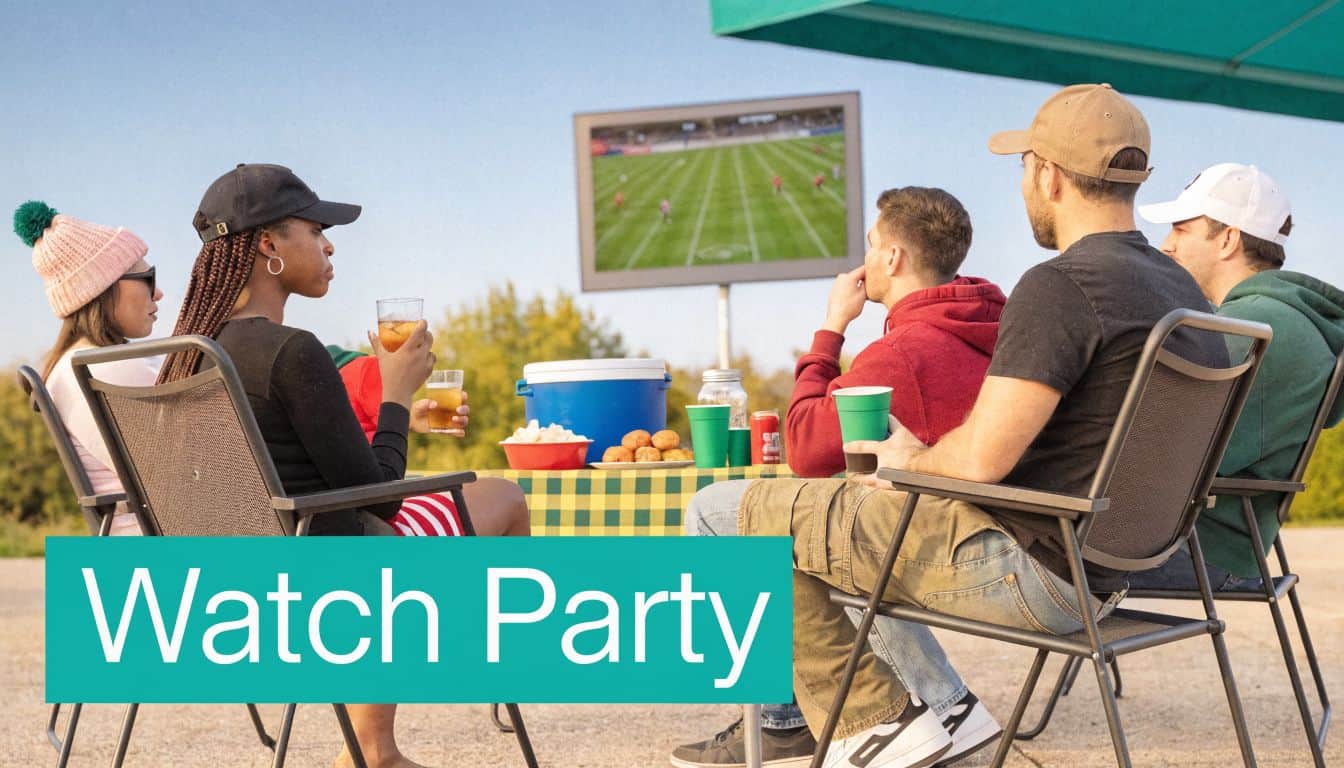
For schools, churches, and community centers, this is often one of the easiest event-based football fundraiser ideas to pilot. You can sell admission, add concessions, and invite a sponsor to underwrite food or prizes. It also works well for groups with broad community support but limited daytime volunteer capacity, since many tasks happen in a single evening block.
What makes this one worth doing
The biggest advantage is concentration. Instead of managing a fundraiser over several weeks, you focus your promotion, volunteer staffing, and revenue collection into one event.
A good watch party usually needs:
- A clear audience: Families, alumni, church members, or local supporters who already gather around football.
- A simple venue plan: Fellowship hall, school commons, gym, or partner restaurant with proper screening access.
- A short volunteer roster: Check-in, concessions, setup, cleanup, and one person watching cash flow all night.
The common mistake is making it too complicated. If you add too many games, raffles, side contests, and menu options, your staff ends up running an event operation instead of a fundraiser.
Practical rule: Keep the main draw obvious. Watch the game, eat well, support the cause.
Promotion matters more than decoration. Start early enough to sell the event before people make other plans, and keep reminders steady. If you need a clear communications plan, this guide on how do you promote an event is useful.
Operationally, all-in-one tools are helpful. You can collect registrations, take online payments, send reminder emails, assign volunteers, and post revenue directly to the right fund without moving data between systems. That matters if proceeds are earmarked for travel, equipment, or scholarships and you need clean restricted fund tracking after the event.
2. Youth Football Camp & Clinic Sponsorships
Some football fundraiser ideas raise money. This one can also deepen your mission. A youth camp gives families something tangible in return, and sponsors usually understand the value quickly.
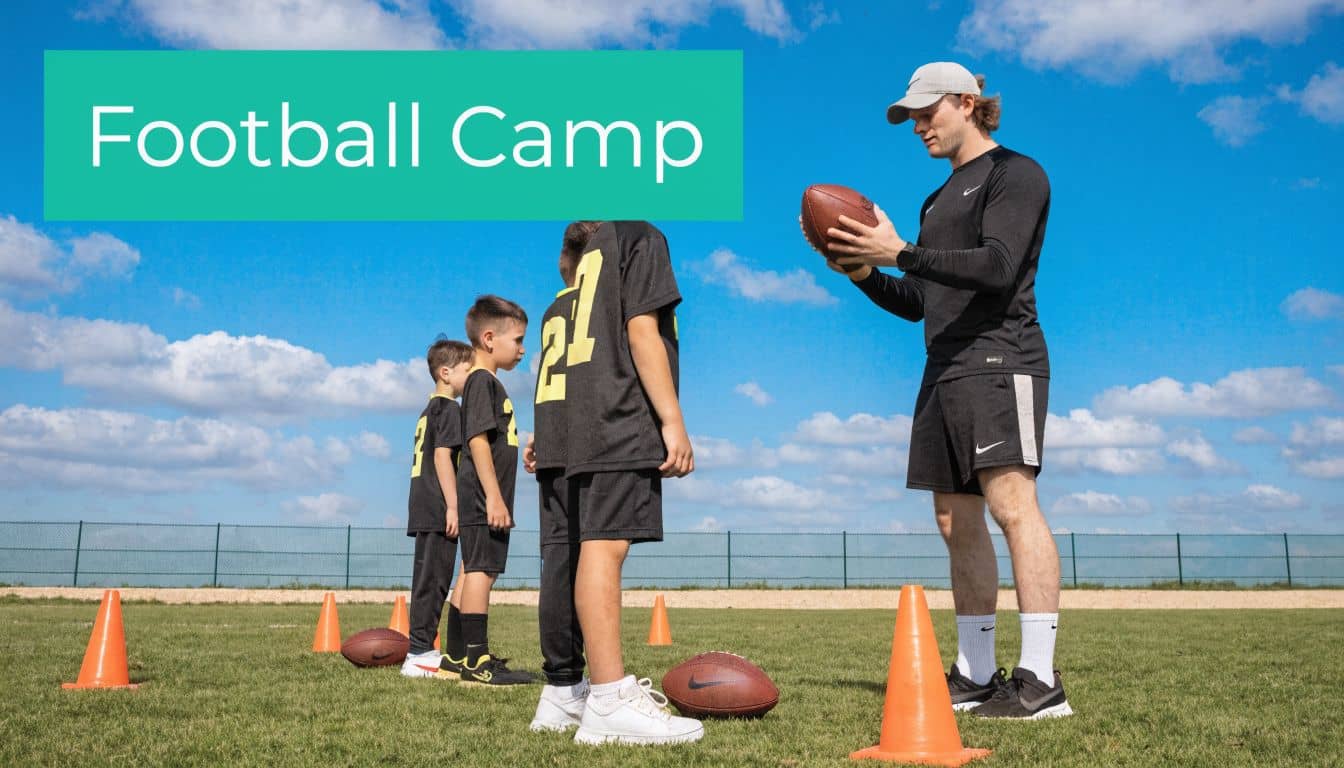
This format works especially well for youth-serving nonprofits, school foundations, and churches with access to fields or gym space. You can charge participant fees, invite business sponsors, and offer scholarship spots for families who need support.
How directors keep this manageable
The strongest version is usually not a huge, all-day event. It’s a focused clinic with a clear age range, a limited number of stations, and a small coach roster. Former players, local high school coaches, and trusted volunteers often do well in these roles.
I’d structure it around four operating lanes:
- Registration and waivers: Collect everything before the day starts.
- Volunteer screening: Track certifications, background checks, and availability in one place.
- Sponsor visibility: Signage, shirts, welcome remarks, and post-event thank-yous.
- Fund tracking: Separate earned income from scholarship support if both are involved.
If you’re asking local businesses to support the event, don’t send a vague email. Give them named opportunities, visible benefits, and a short decision window. These sponsorship proposal templates for nonprofits can help you make a clean ask without overbuilding the package.
The trade-off is labor. Camps are mission-friendly, but they require more planning than simple product sales. If your team is short on volunteer supervision or insurance coordination, run a half-day clinic first. That’s usually enough to prove demand and build sponsor confidence for the next round.
A side benefit often gets overlooked. Camps create a natural pipeline for future donors, volunteers, and family engagement. When registration, communications, and donor records all sit in the same system, you don’t lose those relationships after the event ends.
3. Fantasy Football League Entry Fees
This one is low overhead and surprisingly sticky. Once people join a league and enjoy it, they often come back next season with very little persuasion.
Fantasy leagues work best when your supporters already know each other. Alumni groups, church men’s groups, booster circles, and board-adjacent networks are usually a better fit than a cold public campaign. You’re selling participation and friendly competition, not just asking for a gift.
Where it works and where it doesn’t
The appeal is simple. You can run the fundraiser over a football season without booking a venue or staffing an event table every week. You collect entry fees, keep communication light, and let the league platform do most of the game management.
A few cautions matter:
- Check local rules: Entry fees and prize structures can trigger legal issues in some places.
- Write rules once: Tiebreakers, late entries, and payout details should be clear before the draft.
- Keep prizes modest: The mission should stay visible, not disappear behind competition.
For payments, use one clean giving page rather than personal transfers and spreadsheet notes. A dedicated donation pages setup makes fee collection easier and gives your finance team a cleaner record.
This idea is strongest when you already have an email list that likes football and responds to social interaction. It’s weaker when your audience is older, less interested in fantasy sports, or wary of anything that feels like gambling.
If you do run it, assign one commissioner who enjoys details. That person needs to answer rule questions quickly, post reminders, and keep the tone friendly. The fundraiser itself is easy. Managing confusion is the part that can sour the experience if no one owns it.
4. Football Helmet Design & Decoration Contest
Not every football fundraiser idea needs to be field-based. A helmet design contest can pull in artists, students, parents, and local businesses who may never sign up for a clinic or tournament.
This one works especially well for schools, arts nonprofits, and community groups that want a football theme without a heavy sports logistics burden. You invite participants to decorate mini helmets or helmet art, then display, auction, or raffle the finished pieces.
Why this format brings in a different crowd
You’re giving supporters a creative role. That matters if your donor community includes families, educators, or local artists who want a quieter event than game-night fundraising.
A strong setup includes:
- A visible display plan: Lobby exhibit, reception event, or online gallery before bidding opens.
- A judging angle: Community vote, sponsor pick, or staff favorite.
- A resale path: Auction, donor gift bundle, or merchandise print from winning artwork.
Some of the best fundraisers succeed because they widen the circle of who feels invited to participate.
The risk is underpricing the effort. If you ask artists or students to contribute serious work, present it well. Good photography, clean bidding instructions, and a polished event page can make the difference between a craft table feel and a genuine fundraising experience.
This is also a good option when weather is unreliable. You can host it indoors, spread participation over several days, and market the finished pieces online to supporters who can’t attend in person.
From an operations standpoint, keep donor records attached to bids, sponsorships, and any related event purchases. That saves a lot of cleanup later, especially if helmet proceeds are restricted for arts education, athletics, or youth programming.
5. Flag Football Tournament for Community Teams
A flag tournament can become your signature annual event if you have the capacity to run it well. It pulls in teams, spectators, sponsors, and volunteers, and it gives businesses a visible reason to participate.
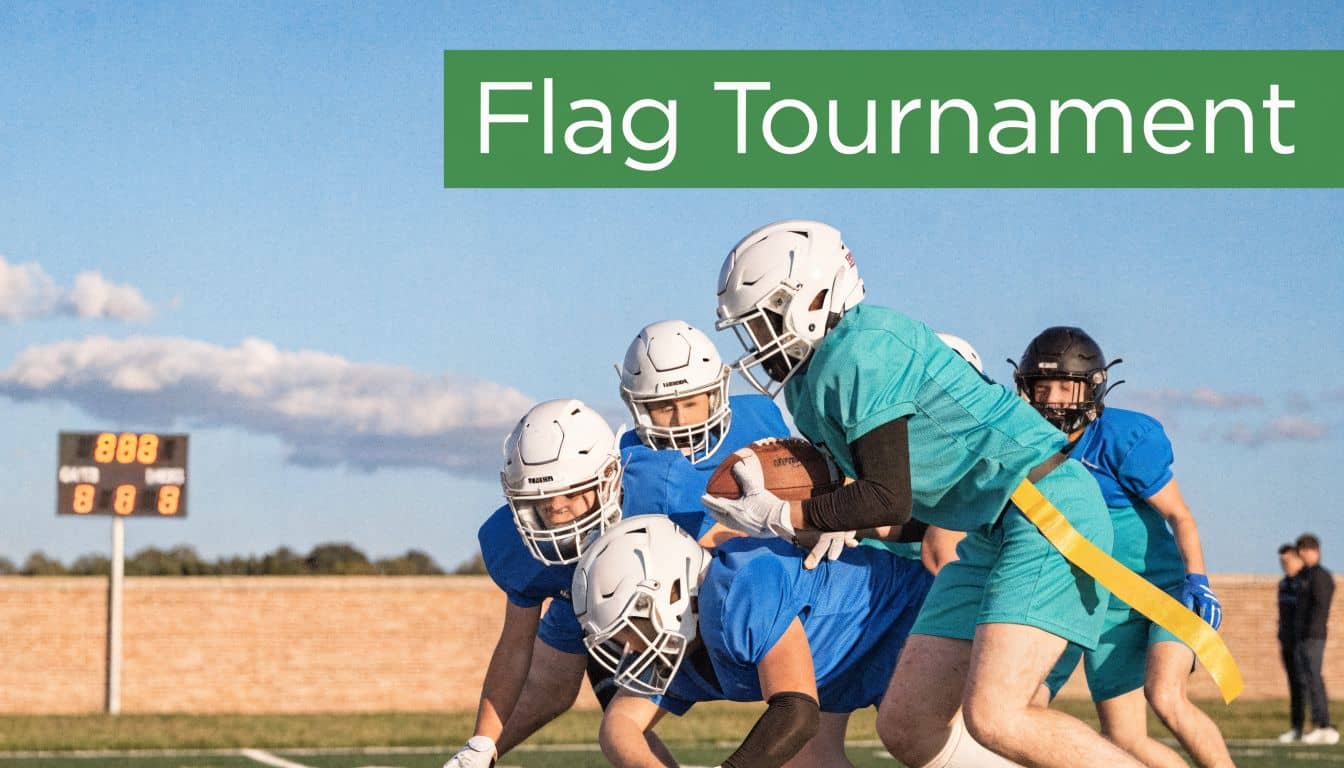
This one is best for organizations with decent planning lead time and access to fields. If your team can manage registrations, schedules, referees, and sponsorships, it can produce strong community turnout. If not, it can become chaotic quickly.
The director-level trade-off
The upside is reach. Corporate teams, friend groups, church groups, and neighborhood teams can all participate. You’re not limited to existing donors.
The downside is complexity. You need rules, waivers, bracket management, volunteer coordination, and a weather backup plan. In practice, that means appointing one event lead and giving them authority early.
A simple structure tends to work best:
- Team registration: One captain handles roster details.
- Sponsor packages: Keep levels easy to explain and easy to fulfill.
- Volunteer roles: Referees, scorekeepers, field monitors, hospitality, and check-in.
- Revenue coding: Separate registrations, sponsorships, concessions, and donations.
If you’ve run a golf outing before, a tournament has some similar moving parts. This article on a charity golf tournament is useful because the event planning logic carries over.
For communities already active in rec sports, a local flag football league can also show you the kind of audience language that attracts casual teams.
The organizations that do this best keep the competition friendly. Don’t overbuild the bracket or cater to elite players. If beginners feel welcome, your pool of teams gets much bigger. And if registration, volunteers, sponsors, and finances all sit in one system, follow-up becomes much easier after the final whistle.
6. Football-Themed Merchandise & Apparel Sales
Merchandise is one of the steadier football fundraiser ideas because it isn’t tied to one day. You can sell around kickoff, rivalry games, playoffs, alumni gatherings, and year-end campaigns.
The smart version avoids inventory risk. Print-on-demand tools are useful here because they let you test interest before you commit to boxes of shirts in three sizes no one wants. That’s especially helpful for smaller nonprofits, schools, and churches with little storage space.
Keep the design simple enough to sell
Most apparel underperforms for one reason. The design is too busy and too specific. Supporters want something they’ll wear, not just something they bought out of obligation.
A practical approach:
- Lead with one strong design: Team colors, mission tie-in, short phrase.
- Set a clear ordering window: Pre-orders create urgency and reduce confusion.
- Bundle with giving: Offer a shirt as part of a donor package, not only as a sale item.
If your organization runs several small campaigns through the year, this broader list of ideas for fundraising can help you decide whether merch should stand alone or support another event.
This model works best when you already have a responsive email list and an audience that likes public affiliation with your cause. School communities and youth sports programs tend to do well. More formal human services organizations sometimes see weaker apparel demand unless the design is mission-centered and tasteful.
A shirt is not just a product. It’s a public signal that someone belongs with your organization.
From the finance side, don’t lump merchandise into general donations if it’s really earned revenue. Clean coding matters later. If you’re tracking sales in true fund accounting instead of trying to force them through classes or tags, year-end reporting gets much easier.
7. Football Skills Coaching Clinics & Personal Training
This is one of the more dependable recurring options if you have trusted coaching talent nearby. Instead of betting everything on a single event, you create a program that can bring in revenue over time.
The format can be private sessions, small-group clinics, or position-specific training. Quarterback footwork, receiver routes, and defensive drills all appeal to families looking for skill development. That makes this idea especially useful for youth development nonprofits and athletic programs with community credibility.
Why recurring revenue matters here
One-time fundraisers can create a short burst of cash and a long cleanup period. Skills clinics are different. If the instruction is strong and scheduling is reliable, families often register again and tell friends.
This setup needs discipline:
- Coach records: Certifications, availability, and any background screening.
- Online registration: Waivers, emergency contacts, and payment in one flow.
- Fund separation: Track scholarship spots apart from paid registrations.
- Reminder messages: Families need simple communication, not long email chains.
The main risk is overcommitting your coaching roster. If your program depends on one standout coach and that person gets busy, the whole schedule slips. Start with a small number of dates, prove demand, and expand carefully.
This fundraiser also creates useful donor and participant data. Parents who trust your instruction may become volunteers, event attendees, or future donors. That only happens if your registration and CRM records stay connected. If they live in separate systems, someone has to reconcile them manually later, and that work often never gets done.
8. Football-Themed Trivia Night & Social Event
Trivia night is one of the best football fundraiser ideas when your supporters want a social evening but not an athletic commitment. It’s easier on volunteers than a tournament and usually more inclusive than a fantasy league.
The atmosphere matters as much as the questions. A friendly emcee, decent food, and a room that feels welcoming will carry the night farther than obscure sports facts ever will. Bars, parish halls, school cafeterias, and community rooms can all work.
A good trivia night feels light, not sloppy
There’s a sweet spot. You want enough structure that the evening moves smoothly, but not so much formality that people feel like they’re in a fundraiser first and a social event second.
A reliable flow looks like this:
- Team signups before arrival: Avoid long check-in lines.
- Short rounds: Keep energy moving.
- Sponsor mentions in moderation: Visible, appreciated, not overwhelming.
- Side revenue: Concessions, mulligans, silent auction, or extra giving opportunities.
The strongest trivia nights also attract people who wouldn’t normally attend a gala or formal campaign event. That makes them useful for donor acquisition, especially for organizations with broad community recognition but a limited major donor bench.
This format is weaker if your audience strongly prefers daytime events or family programming. In those cases, turnout can be uneven unless you offer a youth-friendly variation.
Use your event system to register teams, collect payments, and keep sponsor records tied to the same campaign. That way your communications team can follow up with attendees, and your finance team can still see what came from entry fees versus donations.
9. Football Player Guest Appearances & Meet-and-Greet Events
A guest appearance can draw attention quickly, but it’s not automatic money. This is one of the football fundraiser ideas that can perform well when the right personality is involved and disappoint when the name recognition doesn’t match the ticket price.
Start local whenever possible. A well-known high school alumnus, college player, or respected former coach often brings more genuine turnout than a distant name with weak community ties. You’ll usually spend less and get stronger local promotion.
Match the guest to the audience
The best events have a clear reason for the guest to be there. Autographs alone aren’t enough. Add a short interview, Q&A, photo line, youth demo, or sponsor reception so the appearance feels like a full experience.
A workable structure often includes:
- General admission: Keep it accessible.
- VIP option: Early access, photo, or reserved seating.
- Sponsor support: Offset the guest fee first.
- Memorabilia plan: Authentic, limited, and clearly managed.
The operational burden is real. You need contracts, timing discipline, crowd flow, volunteer staffing, and a backup plan if travel changes. If your team doesn’t have event management capacity, keep the format small and controlled.
This idea can be excellent for hospitals, schools, youth nonprofits, and organizations that want press interest. It’s less effective if your audience is mainly transactional donors who care more about direct service outcomes than experience-based events.
When it works, though, it creates a strong stewardship moment. Donors feel close to the cause, sponsors get visibility, and your communications team gains photos and stories for months afterward.
10. Corporate Lunch & Learn Football Business Summit
If your donor base includes business leaders, this may be the most strategic idea on the list. A football-themed lunch event lets you connect leadership lessons, teamwork, and community impact in a format companies already understand.
This works best in metro areas, chamber networks, school alumni circles, and sponsor-heavy communities. You’re not relying on family attendance. You’re inviting companies to support the mission while giving their staff a worthwhile midday event.
Why this format can bring in stronger sponsorships
Businesses often prefer something they can explain internally. A lunch table, speaker sponsorship, or staff team package is easier to justify than a vague donation ask. That makes this a good fit for executive directors who want deeper corporate relationships, not just one-off gifts.
Keep the program focused:
- One strong speaker: Coach, athlete, or sports-minded executive with substance.
- Brief mission segment: Make the cause clear and concrete.
- Visible sponsor benefits: Table signage, remarks, materials, follow-up recognition.
- Fast post-event outreach: Thank-yous, volunteer invitations, and next-step asks.
The mistake is drifting into generic business conference territory. Keep the football theme present, but tie it directly to your mission. Otherwise the event can feel disconnected from why donors are there.
For organizations managing grants, scholarships, or sponsored projects, this type of event also raises an important back-office issue. Sponsors may designate support differently from individual attendees. If your platform handles donor records and fund accounting together, you can post each gift correctly without a separate cleanup project.
Top 10 Football Fundraiser Ideas Comparison
| Fundraiser | Implementation complexity | Resource requirements | Expected outcomes | Ideal use cases | Key advantages |
|---|---|---|---|---|---|
| Football Game Watch Party & Tailgate Fundraiser | Low–Medium: permits & broadcast licensing needed | Venue (indoor/outdoor), concessions, volunteers, broadcast rights, marketing | Moderate–High single-event revenue; repeatable annually (typical $1.5k–5k) | Major game dates; community groups; faith-based events | High attendance potential; multiple revenue streams (tickets, concessions, raffles) |
| Youth Football Camp & Clinic Sponsorships | Medium–High: liability, staffing, scheduling | Coaches, insurance, equipment, fields, sponsor sales, background checks | Higher revenue and long-term engagement ($3k–10k+); builds relationships | Youth development orgs, schools, summer programs | Mission-aligned; sponsor-friendly; recurring annual program |
| Fantasy Football League Entry Fees | Low: mostly online setup and admin | Online league platform, payment processing, rule administration | Recurring seasonal revenue over NFL season ($2k–10k typical); low overhead | Organizations with digital reach; adult donor base | Minimal facilities; high engagement frequency; easy to scale |
| Football Helmet Design & Decoration Contest | Low–Medium: event coordination and auction setup | Helmets/supplies, display/auction platform, artist recruitment, marketing | Modest revenue per event ($1.5k–3k); strong social media content | Schools, art centers, community events | Tangible, unique items; cross-appeal to art and sports audiences |
| Flag Football Tournament for Community Teams | Medium–High: bracket scheduling and field logistics | Multiple fields, refs, volunteers, equipment, insurance, sponsor outreach | Moderate–High revenue ($3k–15k+); strong repeat participation | Community centers, corporate teams, recreation departments | Inclusive/coed format; multiple revenue streams; corporate appeal |
| Football-Themed Merchandise & Apparel Sales | Low–Medium: design and vendor setup | Designers, print-on-demand/vendor, online store, fulfillment, marketing | Passive revenue that can grow monthly or seasonally ($500–5k+ depending on reach) | Schools, boosters, online donor communities | High margins; brand-building; low event dependence |
| Football Skills Coaching Clinics & Personal Training | Medium–High: coach recruitment and quality control | Certified coaches, facilities, video analysis tools, insurance, scheduling | Recurring higher-margin revenue ($500–2k+/month); builds reputation | Athletic development orgs, youth programs, former-player nonprofits | High per-participant revenue; mentorship and program impact |
| Football-Themed Trivia Night & Social Event | Low–Medium: content creation and AV needs | Venue, AV/sound, question bank, staff, concessions, sponsors | Moderate per-event revenue ($800–3k); easily repeatable monthly/quarterly | Bars, community venues, midweek social fundraisers | Weather-independent; broad demographic appeal; repeatable |
| Football Player Guest Appearances & Meet-and-Greet Events | High: talent booking, security, contract negotiation | Player fees, venue, security, memorabilia authentication, marketing | High one-off revenue but high cost/risk ($5k–25k+ potential) | Large nonprofits, hospitals, major publicity drives | Strong attendance draw; media coverage; premium ticket opportunities |
| Corporate Lunch & Learn Football Business Summit | High: speaker coordination and corporate sales | Keynote speakers, catering, venue/AV, sponsorship packages, marketing | High per-event revenue from corporate sponsors ($8k–25k+ typical) | Corporate fundraising, professional development, stewardship events | Attracts high-dollar attendees; builds corporate relationships; year-round timing |
Your All-in-One Fundraising Playbook
These football fundraiser ideas can all work. The better question is whether your organization can run them cleanly. That’s usually where good plans start to wobble.
Most leaders aren’t struggling to come up with ideas. They’re struggling with the pileup that comes after the idea. Tickets live in one system. Emails live in another. Volunteer schedules sit in a spreadsheet. The finance team gets a folder of payment reports and tries to sort out what belongs where.
That problem gets bigger when a fundraiser has more than one revenue stream. A watch party can include tickets, concessions, donations, and sponsorships. A clinic may involve registration fees, scholarship support, and in-kind help from local businesses. A tournament can mix team entry fees, spectator admission, sponsor dollars, and merchandise. If those records don’t connect, someone has to reconcile them by hand.
That’s where platforms like Eventbrite, Mailchimp, and QuickBooks each do part of the job. They’re strong in their own lanes. Eventbrite handles ticketing well. Mailchimp handles email well. QuickBooks is familiar to many finance teams. But they don’t give nonprofits one shared operating picture, and they weren’t built around true fund accounting for restricted gifts, grants, and program reporting.
We built AlignMint for exactly that gap. You can manage event registration, donor records, volunteer assignments, marketing emails, text outreach, and accounting in one place. For leaders who are tired of duplicate entry and end-of-month cleanup, that matters more than another flashy feature list.
The practical benefit is simple. Your team sees the same data. If a supporter buys a ticket, makes an extra gift, volunteers at the event, and later becomes a sponsor, that history stays connected. Finance doesn’t have to reconstruct it from exports. Development doesn’t have to ask accounting for updates. Program staff can see what happened without waiting for someone else to build a report.
That’s especially helpful for schools, churches, and fiscal sponsors. These organizations often need clear tracking by fund, project, or restriction. They also tend to have lean teams, mixed skill levels, and very little patience for software that creates more work. Our true fund accounting handles restricted balances natively, rather than treating them like a workaround.
We also keep the platform practical for growing organizations. Nonprofits under $100K can start on our free tier. You get plan-based user allowances (1 on Free, up to 10 on Plus, up to 25 on Pro, and unlimited on Enterprise), so you don’t have to ration access across staff and volunteers. Our built-in marketing suite keeps email, text, and donation pages close to your donor data. Minty can answer questions about your actual records, which saves time for leaders who don’t want to build custom reports just to understand event performance.
The point isn’t to run more fundraisers. It’s to run the right ones without creating confusion afterward. If your next football fundraiser needs to raise money and still leave your books clean, your donor records intact, and your volunteers informed, that’s the standard we think software should meet.
If you want one place to handle fundraising, fund accounting, donors, volunteers, events, and marketing, take a look at AlignMint. We built it for nonprofits that need cleaner operations, not more moving parts.
Frequently Asked Questions
Ready to try AlignMint with your nonprofit?
Start free — set up donor tools, giving pages, and Minty. Upgrade when you need accounting.