

Quick Answer
Food banks, tutoring, and park cleanups are the examples most teams can staff this month. Senior care, clinics, housing, and disaster response need a funding plan before you recruit. The ten models below cover volunteer roles, the money, and how to report the work.
You know community service matters. What's harder is choosing projects your volunteers will show up for, your staff can manage, and your funders will respect. You need more than a grab bag of ideas. You need examples that can be planned, measured, and reported without turning your office into a spreadsheet farm.
If you've been asking what are examples of community service, the best answer isn't just a list. It's a set of programs with clear operating models, realistic trade-offs, and simple ways to connect volunteer work, donor support, and accounting records. That's where many good intentions break down.
Community service in the United States already represents serious civic and economic activity. Americans contributed 4.99 billion volunteer hours in the year ending September 2023, valued at about $167.2 billion, with 75.7 million people volunteering through organizations and a formal volunteering rate of 28.3% among people age 16 and older, according to Activate Good's volunteer statistics summary. The same summary notes a 5.1 percentage point jump between 2022 and 2023, the largest two-year increase on record.
That tells you something important. The demand for community service is real, but so is the need to run it well. Here are 10 examples worth considering if you want programs that are practical, fundable, and easier to manage.
1. Food Banks and Meal Distribution Programs
It is 4:30 p.m. on distribution day. The volunteers are arriving, a donor just dropped off canned goods that were not on the packing plan, and a family asks whether the site has diapers along with groceries. Food programs meet an immediate need, which is why they are often the first service model organizations launch. They are also one of the fastest ways to expose weak scheduling, unclear inventory habits, and messy fund tracking.

A church pantry, a school backpack program, a mobile meal route, or a neighborhood distribution site can all work. The right model depends on what problem you are solving. Pantry programs fit recurring household food access. Meal delivery fits seniors and homebound residents. Backpack programs fit weekend child hunger. Feeding people is the shared mission, but the operating plan should change with the audience.
What works in practice
Start with repeatable shifts and clearly defined roles. Sorting, intake, packing, delivery, and cleanup each need different instructions and different volunteer counts. Weekly schedules usually hold up better than constant one-off requests because volunteers can build the commitment into their routine. If your team is still managing sign-ups informally, these volunteer management best practices will help you tighten assignments before missed shifts start disrupting service.
Then connect the program to your donor records. A food drive, a sponsor-funded meal route, and a seasonal pantry appeal should not all disappear into one generic thank-you process. Donors respond better when follow-up reflects the project they supported. Our quick fundraising tips for nonprofits can help you improve that follow-up without adding extra manual work.
The accounting side matters just as much. If one grant pays for senior meals and another appeal supports pantry staples, track those funds separately from day one. Trying to sort restrictions out at year-end usually leads to weak reporting and staff frustration.
Practical rule: If you cannot show which revenue funded which food program, the reporting problem started long before the audit or board report.
Food programs bring a real trade-off. They are easy to explain, easy to rally volunteers around, and often easy to fund in small amounts. They also create recurring logistics pressure, food handling requirements, storage concerns, and very little room for scheduling errors. The organizations that run them well usually have one connected system for volunteer coordination, donor history, and fund accounting, so a good service idea becomes a program you can measure, report on, and sustain.
2. Youth Mentorship and Tutoring Programs
Mentorship sounds simple until you run it. Matching adults with students, confirming training, tracking schedules, and documenting outcomes takes discipline. Still, this is one of the strongest service models for schools, youth nonprofits, and churches because the relationship itself creates lasting value.
You can see this in programs like Big Brothers Big Sisters, after-school tutoring run by college volunteers, or career mentorship sponsored by local employers. The format varies, but the same operating question comes up every time. Who is paired with whom, and how do you know the match is working?
What strong programs track
The first mistake is matching based on availability alone. Good programs track skills, interests, language comfort, and training status. A retired engineer may be excellent for STEM coaching, but not for early reading support. A volunteer who's warm and reliable may be ideal for general encouragement even without subject expertise.
A proper volunteer system offers essential support. A shared spreadsheet can list names. It can't give you a clear picture of mentor qualifications, attendance patterns, and follow-up tasks over time. If your program has grown beyond a handful of pairs, review these volunteer management best practices and tighten your process before adding more participants.
Purpose-built volunteer management tools can keep qualifications, schedules, and follow-up in one operating record.
A second mistake is reporting only activity, not progress. Funders usually want more than “mentors met with students.” They want a credible record of training completed, sessions held, and goals pursued. Your accounting should also connect program costs to the tutoring or mentoring budget, not bury them in general overhead.
Good mentorship programs don't just recruit caring adults. They document consistency.
The trade-off here is patience. Mentorship programs can be very meaningful, but they take screening, supervision, and careful communication with families. If you underbuild the process, the relationships become fragile.
3. Environmental Conservation and Cleanup Projects
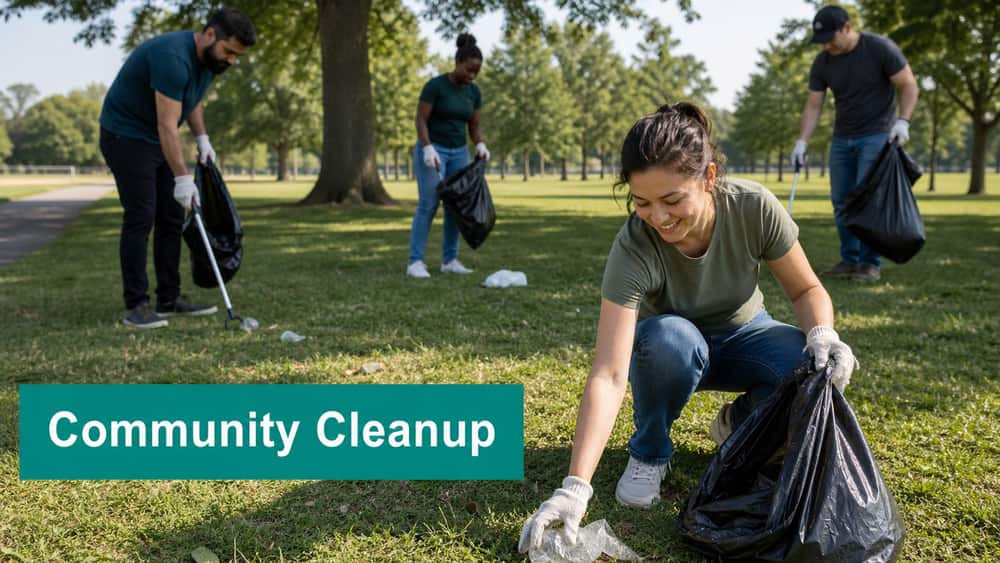
Environmental projects are easy to explain and easy to launch. A park cleanup, stream restoration day, tree planting effort, or neighborhood garden workday gives people a visible task and a visible result. That's why these programs are a solid choice when you want to engage corporate groups, youth volunteers, and first-time participants.
They also tend to work well as recurring events. A monthly river cleanup or seasonal trail day creates rhythm. Volunteers learn what to expect, and staff stop reinventing the event each time.
Why structure matters
Environmental cleanup programs show high follow-through when the project is organized well. Activate Good's summary reports a 90% completion rate for environmental cleanup initiatives in structured settings, which is a useful reminder that project design matters as much as volunteer enthusiasm.
That means clear check-in points, supplies ready before volunteers arrive, and team leads who know the site. If you want a corporate group to sponsor the event, track that support in your donor records and connect it to the actual project expenses. If the day also includes electronics collection, partners like secure laptop donation and recycling services can complement the effort.
A common mistake is counting bags of trash but not recording volunteer hours by project. Another is sending generic follow-up after a sponsor funded a specific cleanup. Your donor and marketing tools should reflect the event they cared about.
- Set recurring dates: People are more likely to return when the schedule is predictable.
- Track project type: Separate trail work, litter pickup, and planting if different funders support them.
- Save before and after records: Photos, volunteer logs, and expense coding make grant reports easier later.
The trade-off is that cleanup events can look successful even when they're shallow. If you want real credibility, connect each event to a larger plan instead of treating it as a stand-alone photo opportunity.
4. Senior Care and Companionship Services
Some of the most valuable community service is quiet. A ride to an appointment, a weekly check-in, help with shopping, or a regular social visit may not produce dramatic event photos, but it can keep an older adult connected and stable.
That's why senior support programs deserve more attention from nonprofit leaders. They fit churches, neighborhood nonprofits, and aging services organizations particularly well. They also require better recordkeeping than many teams expect.
A useful operating model
The Melbourn Mobile Warden Scheme offers a practical example of a structured support model. It has operated since 2010, with six wardens serving about 50 mobility-impaired clients through visits, errands, and activities, at a benchmark cost of £28 per client monthly, according to the Improvement Service case study collection.
That kind of model works because assignments are clear. Volunteers or wardens know who they serve, what tasks they handle, and how often they're expected to show up. Families and funders both care about that consistency.
For a nonprofit, the operational lesson is simple. Track visits by person, service type, and time. Keep restricted support for senior programs separate, especially if a foundation or public grant funds transportation, companionship, or wellness activities. Donor stewardship can be different here too. Legacy and planned giving supporters often have a significant interest in senior services and deserve personalized follow-up.
If you need better volunteer appreciation language for these relationship-driven programs, this set of quotes to thank volunteers is useful for notes, emails, and recognition events.
Field note: Senior service programs rise or fall on reliability. A missed visit matters more here than in many other volunteer settings.
The trade-off is staff oversight. Companion programs may look low-cost, but they demand careful matching, communication, and documentation.
5. Disaster Relief and Emergency Response
Disaster relief is one of the clearest examples of community service, but it's also one of the easiest to romanticize. In practice, emergency work rewards preparation, not improvisation. Organizations like the American Red Cross and Samaritan's Purse have established systems for a reason. During a crisis, confusion wastes time.
Local nonprofits still play an essential role. They know neighborhoods, congregations, school families, and local volunteers. That local trust often determines whether people get help quickly.
What to set up before the crisis
Pre-assign volunteer roles. Keep a roster of trained, background-checked people who can handle distribution, phone support, shelter help, cleanup, or check-ins. Build donor communication templates before you need them. Make sure finance staff can separate emergency gifts by incident, because donors and grantors often want reports tied to one event, not a pooled “disaster fund.”
A second discipline is phase-based tracking. Relief work changes fast. The first days may center on food and shelter. Later phases may include cleanup, household support, or rebuilding assistance. If expenses and volunteer hours all land in one bucket, your reporting becomes muddy.
In disaster response, speed matters. Clean records matter almost as much.
This is also where team communication tools matter more than most leaders admit. Text updates for volunteers, shared notes across staff, and fast donor messaging reduce confusion. If your systems are split across email threads, personal phones, and disconnected databases, the burden lands on staff at the worst possible moment.
The trade-off is obvious. Emergency response can inspire strong community support, but it can strain your team quickly if roles, funds, and communications weren't organized ahead of time.
6. After-School and Youth Programs
After-school programs work because they solve several community needs at once. They give students a safe place to go, help working families, and create room for tutoring, arts, sports, mentoring, and meals. That breadth is their strength, but also their management problem.
Programs like Boys and Girls Clubs show the broad model. School districts, churches, and neighborhood nonprofits often run narrower versions with homework help, enrichment clubs, and volunteer-led activities. The challenge isn't finding good ideas. It's keeping activities, attendance, volunteers, and funding aligned.
Measuring more than attendance
It's tempting to report only headcount. That's not enough if multiple grants, district partnerships, or donor appeals support different pieces of the program. Track costs by activity type when possible. That gives you a clearer view of where money goes and which offerings are sustained by volunteers versus paid staff.
The strongest programs also connect volunteer hours to actual activities. A literacy volunteer, a basketball coach, and an art instructor are not interchangeable resources. If you track them as one undifferentiated pool, you lose useful insight.
If your after-school program includes safety or emergency readiness training for staff or volunteers, resources like emergency response team training guidance can support that planning.
A common mistake is trying to run youth programming and parent communication from scattered tools. This is one area where an all-in-one setup helps. Volunteer records, event registration, donor support, and messaging often touch the same families. Keeping them together reduces duplicate entry and missed details.
The trade-off is complexity. After-school programs build community trust, but they create constant motion. The more activities you add, the more disciplined your scheduling, communication, and accounting need to become.
7. Housing and Homelessness Prevention Programs
Housing work is mission-critical and administratively demanding. Emergency shelter, rapid rehousing, prevention assistance, and transitional support all create real community impact, but they also involve some of the toughest reporting expectations in the sector.
Merely having good intentions is not enough. If your team serves clients with support from government grants, foundations, faith partners, and individual donors, you need clean separation between funding sources and clear records of what each program paid for.
Why true fund accounting matters here
Housing nonprofits often outgrow general small-business accounting tools quickly. You can force restricted grants into class tracking in products like QuickBooks, and many organizations do. That can work for a time. But housing programs usually need a more direct view of restricted balances, grant drawdowns, and program expenses.
That's why this category is a good fit for true fund accounting rather than accounting workarounds. If you're still deciding how to structure the organization itself, our guide on how to start a nonprofit is a helpful starting point.
There's also a compliance angle here. IRS reporting expects expenses to be allocated into Program Services, Administration and Management, and Fundraising, as outlined in the Statement of Functional Expenses guidance summarized by Sage. Housing organizations with multiple services need to get that mapping right all year, not just during audit season.
- Separate restricted balances: Keep HUD, foundation, and local support distinct from the outset.
- Link outcomes to spending: Connect housing placements or prevention services to the related program costs.
- Keep documentation audit-ready: Waiting until filing season usually means recreating records under pressure.
The trade-off is administrative weight. Housing programs can change lives, but they demand stronger systems than many new teams expect.
8. Health Clinics and Community Health Services
Free clinics, school-based health centers, and community health outreach programs meet urgent needs while serving people who are often left out of traditional systems. They can include preventive care, screenings, chronic disease support, health education, and referral coordination.
The service model is compelling, but it creates a heavy documentation burden. Staff and volunteers need to track activity carefully, and finance teams need a clear view of program costs if grants support specific services.
A good example of measurable health service
The Southern Nevada Health District's web-based community walking program reported a 25% increase in walking, with participants meeting physical activity guidelines rising from 30% at the start to 52.2% after one year, according to Trust for America's Health state examples. That's a useful example because it shows before-and-after measurement, not just activity volume.
For nonprofit leaders, the lesson is practical. Choose a few outcomes you can document consistently. Then connect those outcomes to the funded program, whether that's screenings, education sessions, or wellness coaching. If your budget process is still loose, this nonprofit budget template in Excel can help you organize health program costs before they sprawl.
This category also rewards integrated systems. You don't want donor records in one place, volunteer records in another, and accounting in a third if all three support the same clinic day or outreach program. A connected setup makes it easier to answer simple but important questions, like which grant paid for which service and which supporters funded the effort.
The trade-off is privacy and process discipline. Community health work matters greatly, but it demands staff habits that are tighter than many small nonprofits are used to.
9. Job Training and Workforce Development Programs
Workforce programs are appealing because the mission is easy to understand. Help people build skills, gain credentials, and find work. In practice, though, these programs succeed only when the nonprofit tracks participant progress carefully and ties services to funder expectations.
Job readiness workshops, trade pathways, healthcare training, technology instruction, and employer partnerships can all fit here. Corporate sponsors often like this category because the community benefit is concrete and the employer connection is obvious.
Reach the right participants, not just easy participants
One issue deserves more attention. Many service programs, including workforce efforts, struggle to reach underserved groups even when the mission says they do. DoSomething notes that 68% of volunteer initiatives fail to engage marginalized groups because barriers like transportation, cultural mistrust, or lack of direct invitation go unaddressed in typical outreach models, in its discussion of community service project ideas and outreach gaps.
That matters for workforce development. If your training program depends on people navigating a confusing application process alone, the people who most need the service may never enter the room. Direct invitations, trusted community partners, and barrier removal are not side issues. They are program design.
The best workforce programs don't just offer training. They make participation possible.
Operationally, track outcomes by program and credential path, and keep grant funds separate if public or corporate support is restricted to a specific track. Donor management matters too. Employers who hire graduates are not the same as employers who sponsor training, and your CRM should reflect that difference.
The trade-off is that outcome pressure can push teams toward the easiest wins. Strong leadership resists that and builds access into the program from the start.
10. Arts and Culture Programs in Underserved Communities
Arts programs are sometimes dismissed as secondary service. That's a mistake. In many neighborhoods, arts access shapes belonging, confidence, youth engagement, and cultural visibility. Community murals, youth orchestras, theater workshops, neighborhood festivals, and visual arts classes can all be meaningful examples of community service.
These programs are especially effective for schools, churches, and place-based nonprofits because they create both participation and public presence. People can see the project and join it.
The operating challenge behind creative programs
Arts programs often juggle teaching artists, volunteers, scholarships, donor support, event income, and grant restrictions at the same time. That means the administrative side needs more care than outsiders assume. If a local arts council funds instruction, a family foundation funds scholarships, and ticket sales support performances, your books should show those streams clearly.
This is also a strong use case for an all-in-one platform. Marketing matters here because attendance and participation often depend on steady promotion. Donation pages matter because arts supporters may give after performances or campaigns. Team communication matters because staff, volunteers, and instructors often work on different schedules.
When leaders compare software, it's fair to note that products like Bloomerang, DonorPerfect, Neon CRM, and Kindful are known for donor management strengths. Eventbrite is familiar for event registration. Mailchimp is common for email marketing. QuickBooks is widely used for general accounting. The gap for many arts nonprofits is that these tools usually live apart from one another, which creates extra reconciliation work and duplicate entry.
The trade-off is coordination. Arts programs build visibility and community pride, but they can become administratively messy fast if finance, fundraising, and communications are disconnected.
Comparison of 10 Community Service Examples
| Program | Implementation Complexity | Resource Requirements | Expected Outcomes | Ideal Use Cases | Key Advantages |
|---|---|---|---|---|---|
| Food Banks and Meal Distribution Programs | Moderate–High (storage, logistics, food-safety compliance) | Storage/refrigeration, transport, inventory systems, volunteers, donor networks | Immediate food relief, measurable meal counts, reduced food waste | Local hunger relief, school meal initiatives, emergency feeding | Rapid impact, strong donor engagement, volunteer opportunities |
| Youth Mentorship and Tutoring Programs | Moderate (vetting, training, matching logistics) | Trained volunteers, background checks, curricula, tracking systems | Improved academic/career outcomes, long-term youth development | At-risk youth support, school partnerships, college prep | Transformative one-on-one relationships, cost-effective volunteer model |
| Environmental Conservation and Cleanup Projects | Low–Moderate (event coordination, safety protocols) | Tools/equipment, permits, volunteer coordination, data collection | Visible environmental improvements, quantifiable metrics (trash removed, trees planted) | Park/beach cleanups, trail maintenance, tree-planting campaigns | High visibility impact, broad volunteer appeal, corporate sponsorship potential |
| Senior Care and Companionship Services | Moderate–High (scheduling, compliance, supervision) | Trained volunteers/staff, transport, liability insurance, recordkeeping | Reduced isolation, improved well-being, support for aging in place | Homebound seniors, Meals on Wheels, transportation and visitation services | Addresses social determinants of health, strong donor/legacy support |
| Disaster Relief and Emergency Response | High (rapid mobilization, complex logistics, safety) | Pre-trained rosters, emergency supply chains, flexible funding, real-time comms | Immediate life-saving aid, short-term recovery, high-impact outcomes | Natural disasters, mass-emergency response, large-scale humanitarian crises | Rapid community mobilization, surge funding, high public visibility |
| After-School and Youth Programs | High (multi-activity scheduling, student tracking) | Qualified staff/volunteers, facilities, materials, snacks/meals budgets | Improved academic and social-emotional outcomes, safe supervised time | Working families, extended-day school programs, enrichment classes | Multiple measurable outcomes, attracts public funding, reduces youth risk |
| Housing and Homelessness Prevention Programs | High (case management, multi-funder compliance) | Shelter/units, caseworkers, complex funding streams, secure client data | Housing stability, reduced homelessness, measurable long-term outcomes | Rapid rehousing, eviction prevention, transitional housing | Clear measurable impact, access to government funding, systemic change |
| Health Clinics and Community Health Services | Very High (clinical regulations, EHR, licensing) | Licensed providers, medical equipment, secure records, regulatory compliance | Improved access to care, measurable health outcomes, reduced disparities | Underserved communities, chronic disease management, preventive care | Addresses health equity, attracts major health funding and partnerships |
| Job Training and Workforce Development Programs | High (curriculum, employer partnerships, reporting) | Trainers, curriculum, employer networks, outcome tracking systems | Job placements, wage gains, measurable ROI and cost-per-placement | Unemployed/underemployed adults, sector-focused training, DOL-funded programs | Direct economic outcomes, strong government funding potential, clear ROI |
| Arts and Culture Programs in Underserved Communities | Moderate (instructor coordination, event production) | Teaching artists, venues/studios, equipment, scholarships | Enhanced cultural engagement, creative skills, community identity | Youth arts education, cultural festivals, community arts centers | Builds identity and engagement, diverse funding sources, volunteer teaching roles |
Turn Your Service Ideas into Measurable Impact
Choosing a community service idea is the easy part. Running it well is where most organizations feel the strain. Volunteers need schedules and reminders. Donors need accurate thank-yous and useful updates. Finance teams need restricted funds, grant expenses, and year-end reporting to line up without a scramble.
Some compliance basics are essential. Nonprofits must file an annual IRS Form 990 to maintain 501(c)(3) status, and failure to file for three consecutive years triggers automatic revocation, as explained in Brady Ware's overview of Form 990 compliance. The filing deadline is the 15th day of the fifth month after the fiscal year ends, including May 15 for calendar-year filers and November 15 for July to June school-year filers, according to Jitasa's Form 990 deadline guide.
Your filing burden also depends on size. Organizations with gross receipts under $50,000 generally file Form 990-N, which requires eight basic data points, while those with receipts of at least $200,000 or total assets of at least $500,000 must file the full 12-page Form 990, according to the IRS e-Postcard filing requirement page. Those details matter because community service programs often grow faster than their back-office systems.
That's why integrated operations matter so much. When volunteer management, donor management, accounting, events, online giving pages, and team communication sit in separate systems, staff spend too much time re-entering data and reconciling reports. When they sit together, you can answer practical questions faster. Which grant funded this program. Which donors supported it. Which volunteers served. Which expenses belong in Program Services.
For smaller teams, the all-in-one approach is often less about convenience and more about control. You want one record of truth. You want true fund accounting, not patched-together classes. You want built-in marketing so your appeals and updates connect to the same database as your giving. You want AI intelligence that helps you find answers in your own records, not another dashboard full of noise.
That's where we built AlignMint to help. We combine accounting, donor management, volunteer management, events, marketing, online giving, and team communication in one platform. For nonprofits under $100K, there's a free tier. We also include unlimited users, so you don't get hit with per-seat fees when more staff or volunteers need access. Minty helps you ask practical questions about your real data without exports or add-ons.
If you've been asking what are examples of community service, the better question may be this. Which of these programs can your team run well, fund responsibly, and report clearly? Start there, and your impact gets easier to sustain.
If you want one system for fund accounting, donor records, volunteers, events, marketing, online giving pages, and team communication, take a look at AlignMint. You can see how the platform supports reportable community service programs, and nonprofits under $100K can start on the free plan.
Ready to try AlignMint with your nonprofit?
Start free — set up donor tools, giving pages, and Minty. Upgrade when you need accounting.