


12 Fundraising Ideas That Work
Quick Answer: 12 Fundraising Ideas That Work
The best fundraising ideas match your audience, season, and team size—online giving days for spread-out supporters, events for community visibility, and recurring drives for steady revenue. Use this hub to pick a tactic, then launch it in nonprofit fundraising software so donations, donor records, and reports stay in one system.
For related tools, see nonprofit fundraising software and donor management. As a nonprofit leader, you know the constant pressure to find new funding. It is exhausting to sift through endless, overhyped ideas for fundraising, especially when you are short on time. You need strategies that respect your team's capacity and generate real results.
This guide focuses on proven strategies you can use to bring in predictable revenue. We will explore 12 actionable ideas for fundraising that fit the realities of leading a nonprofit. This will give you the confidence to choose the right fundraising mix for your mission.
1. Reach a Wider Audience with Hybrid Galas
Virtual and hybrid events let you reach a much wider audience than a traditional gala. By combining a smaller in-person event with a live online broadcast, you engage supporters who cannot attend in person. This approach also reduces costs for large venues and catering.
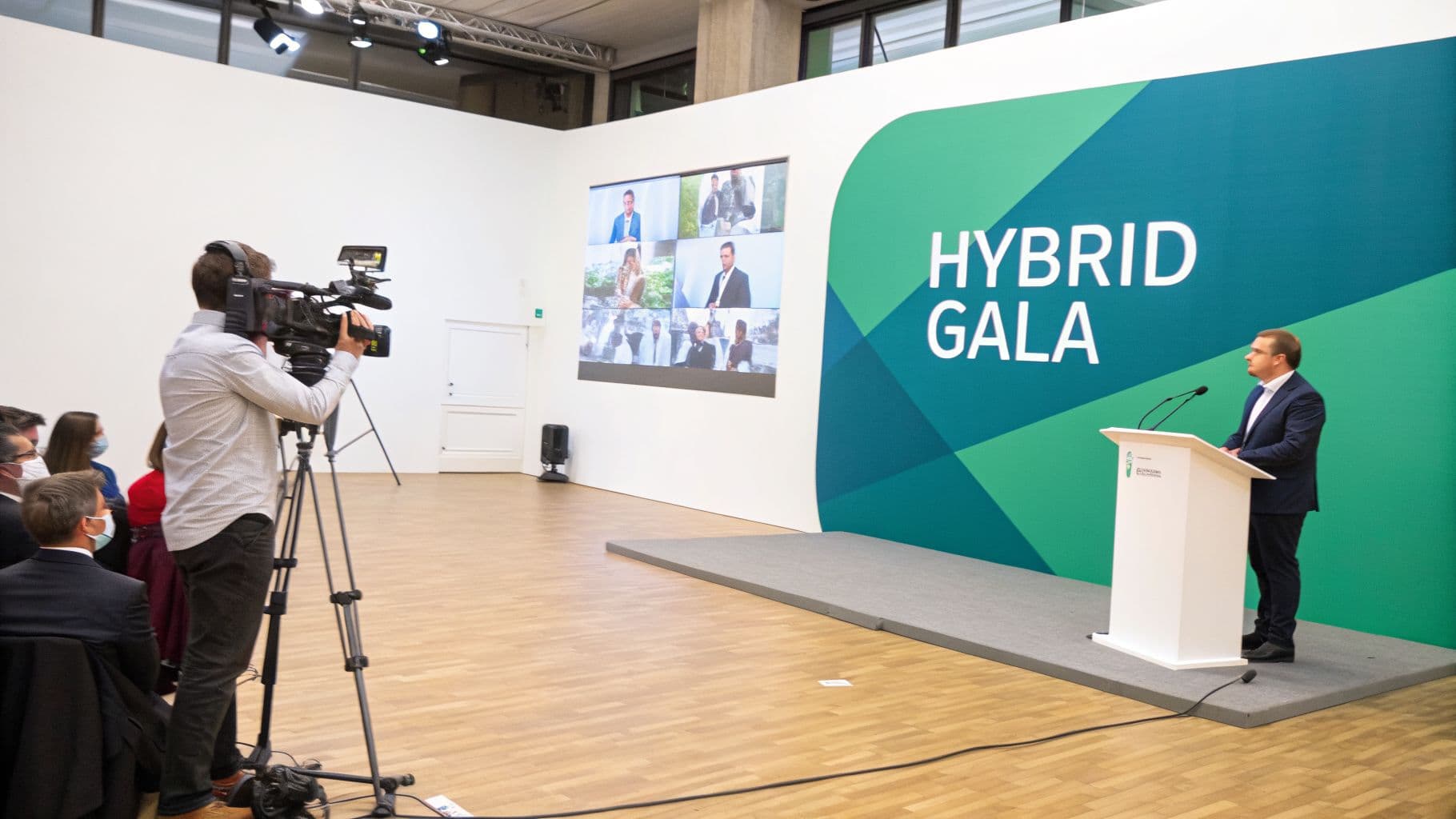
You can engage more donors with live auctions, speaker presentations, and performances broadcast to their homes. A key benefit is extending your reach beyond your local community. It is a powerful way to connect with supporters from anywhere.
To ensure your event runs smoothly, create a clear plan and test all your technology beforehand. You can manage all ticketing and payments in one place using our nonprofit event management software. This simplifies the process for both you and your attendees. After the event, use your donor management system to segment attendees for personalized follow-up.
2. Turn Supporters into Fundraisers with Peer-to-Peer Campaigns
Peer-to-peer campaigns empower your most passionate supporters to become active fundraisers for you. This method allows individuals to create personal fundraising pages to share with their networks. It expands your reach far beyond your existing donor base.
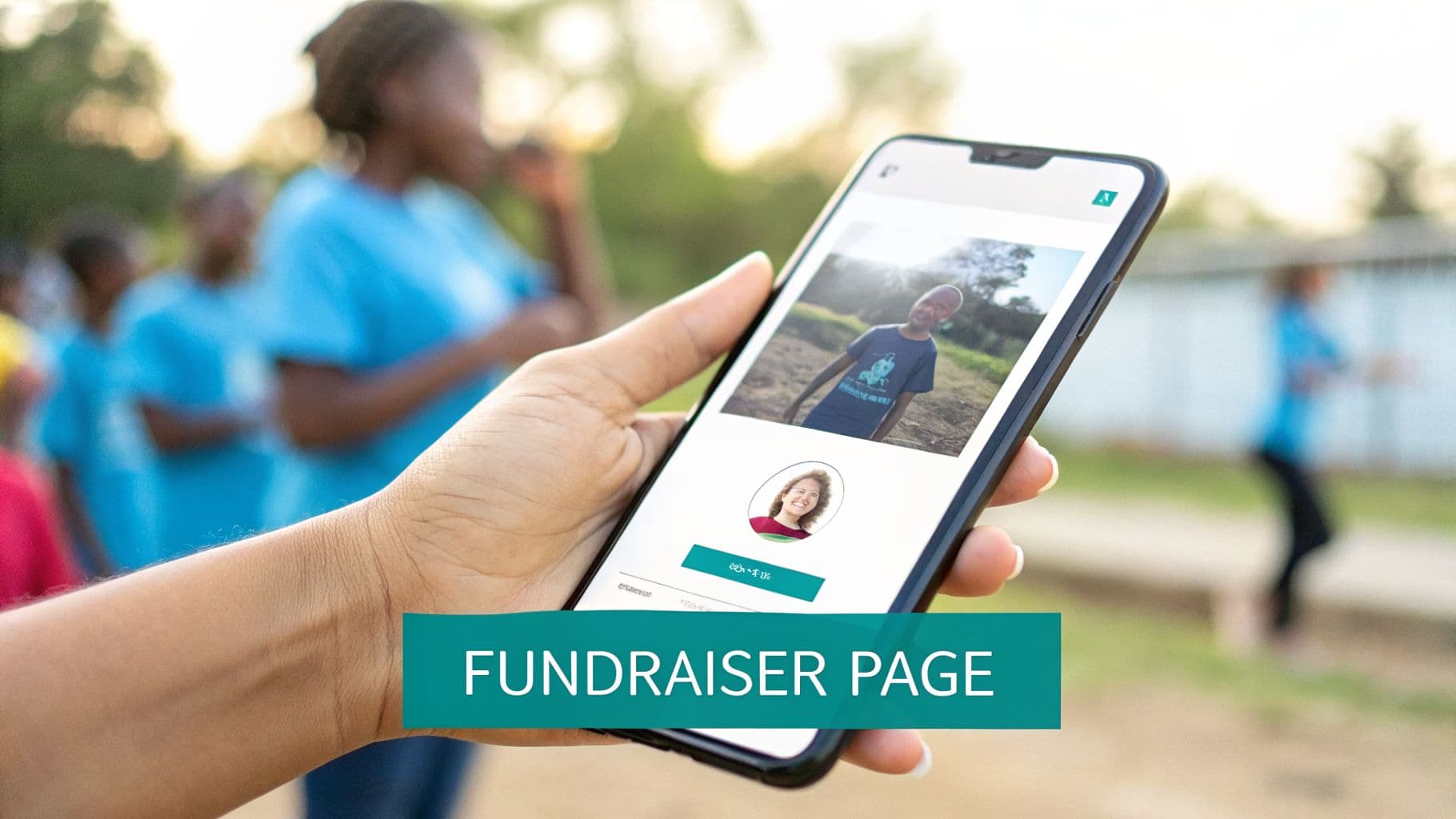
You can raise more money by tapping into the power of personal stories. This makes the appeal feel more authentic and compelling. The personal connection is what motivates new people to give to your cause.
To get started, give your fundraisers a toolkit with page templates and email scripts. Making it easy for them to succeed is the most important part of your strategy. After your campaign, use your donor management system to track which new contacts converted into direct donors.
3. Build Predictable Revenue with a Monthly Donor Program
A monthly giving program creates a predictable and stable revenue stream for your nonprofit. These programs, often called "sustainer circles," invite donors to make automatic monthly contributions. This consistency helps you focus on your mission instead of short-term funding gaps.
You can turn one-time givers into loyal, long-term partners with this approach. The key is to show donors the direct, ongoing impact of their steady support. By framing the commitment as a partnership, you deepen the donor relationship.
To get started, make the ask simple and tangible. You can manage all recurring donations and automate receipts directly within our platform. This simplifies the process and lets you easily thank your sustainers with personal messages.
4. Secure Major Gifts Through Grant Writing
Pursuing grants is one of the most effective ideas for fundraising to secure substantial, mission-aligned funding. This involves strategically seeking support from private foundations and corporate giving programs. It is a long-term strategy that can provide stability and fuel significant growth.
Unlike individual donations, grants often support specific programs over multiple years. This approach requires a focused effort but can result in large awards. These gifts make a major impact on your organization's capacity and reach.
To start, build a grant tracking system with deadlines, requirements, and key contacts. You can use our true fund accounting tools to precisely track and report on restricted grant funds. This ensures you meet all compliance requirements. For more information, you can read about our grant management software.
5. Gain Support with Corporate Sponsorships
Building partnerships with businesses is a great idea for fundraising that can secure significant support. Companies often provide cash, in-kind donations, or employee volunteers. This creates a mutually beneficial relationship that goes beyond a simple transaction.
You can gain brand visibility and funding through these programs. They can take many forms, from event sponsorships to cause-marketing campaigns. These partnerships align a corporate brand with positive community impact.
To attract sponsors, create a clear sponsorship menu with tiered benefits at different price points. You can manage corporate volunteer teams and track their hours with our volunteer management tools. This helps you show partners the tangible results of their support.
6. Build Lasting Relationships with Direct Mail
A well-crafted physical letter can stand out and create a personal connection with your donors. Direct mail is a classic idea for fundraising that continues to yield significant results. This strategy helps build deep, lasting relationships with donors invested in your future.
Direct mail allows you to send compelling stories and clear donation requests to a targeted audience. It is especially effective for communicating with older donors who prefer physical mail. It also works well for planned giving, which involves encouraging supporters to include your nonprofit in their estate plans.
To get started, segment your mailing list based on donor history. You can use our built-in CRM to identify lapsed donors and major contributors. Always include multiple ways to give, such as a reply envelope and a link to an online giving page.
7. Amplify Giving with Matching Gift Campaigns
Matching gift campaigns amplify the impact of every single contribution you receive. A major donor or foundation agrees to match donations from other supporters, often for a set period. This creates a strong sense of urgency and effectively doubles your fundraising results.

You can motivate donors by showing them their gift has an outsized impact. A $50 donation instantly becomes $100 for your cause. This is a compelling proposition for any supporter.
To succeed, secure your matching commitment two to three months before you launch the campaign. You can then use our online giving page builder to create a dedicated page for the campaign. A progress bar showing how much has been raised toward the match goal is a crucial visual cue.
8. Generate Passive Income with Cause Marketing
Cause marketing is an idea for fundraising that requires minimal effort from your supporters. These partnerships with businesses involve a company donating a percentage of sales to your nonprofit. Customers make their usual purchases, and your cause receives a portion of the revenue.
This approach builds brand awareness and provides a steady, passive income stream. It connects your mission with daily commercial activity. This helps you reach people who may not have known about your work otherwise. Dining nights are one of the easiest versions to run - see our guide to restaurant fundraisers for nonprofits for giveback rules and clean revenue tracking.
To get started, identify local businesses that align with your mission. Promote the partnership to your supporters using our built-in marketing suite. This drives traffic to your partner and increases the potential donation.
9. Nurture Donors with Email Marketing
Email remains one of the most effective ideas for fundraising. It allows you to build direct, ongoing relationships with your supporters. Regular newsletters and targeted campaigns keep your community informed about your impact and needs.
You can turn one-time donors into long-term partners with consistent communication. Sharing specific outcomes makes your supporters feel like essential parts of your mission. This is a low-cost way to maintain engagement.
To get started, plan to send between one and four emails per month. You can create and send professional messages using our built-in marketing suite. Personalizing emails with donor names and giving history shows you value their support.
10. Raise Money Quickly with Text-to-Give Campaigns
Text message campaigns offer a direct and immediate way to raise money. This idea for fundraising works by having donors text a simple keyword to a specific number. This method is especially effective for rapid-response needs and event-day giving.
The immediacy of text giving makes it a perfect tool for time-sensitive situations. Organizations like the Red Cross use it for disaster relief. The process is fast and simple for the donor.
To get started, choose a clear keyword and promote it across your event materials. Always secure consent before sending messages to comply with regulations. You can manage these initiatives with our text campaign features, built right into the platform.
11. Engage Your Best Supporters with Volunteer Fundraising
Your volunteers are some of your most dedicated supporters, making them a vital audience for fundraising. Service-based fundraising builds on this existing relationship. It combines volunteer recognition with a direct request for financial support.
You can honor volunteers' commitment while inviting them to deepen their impact. For example, Habitat for Humanity combines volunteer build days with peer-to-peer campaigns. This turns their time into direct financial contributions.
To make this successful, plan a formal appreciation event where you highlight volunteer impact. You can use our volunteer management tools to track hours and create metrics that show their value. During the event, make a clear and heartfelt ask for financial support.
12. Go Viral with Social Media Fundraising
Social media campaigns are dynamic ideas for fundraising that turn online engagement into direct financial support. Platforms like Facebook and Instagram allow you to launch hashtag campaigns and challenges. This approach meets supporters where they are most active.
You can drive giving with simple donation buttons on your Facebook page or larger viral trends. These campaigns can raise significant awareness and funds by making giving fun and shareable. It's a way to mobilize people quickly around your cause.
To get started, create a simple and memorable challenge or hashtag. When donations come in, they can flow directly into Alignmint, automatically creating a donor record. This keeps your donor data and fund accounting accurate without manual work.
12-Point Fundraising Ideas Comparison
| Fundraising Approach | Implementation Complexity | Resource Requirements | Expected Outcomes | Ideal Use Cases | Key Advantages |
|---|---|---|---|---|---|
| Virtual Fundraising Events & Hybrid Galas | High - AV, streaming, rehearsal | Moderate–high staff, production, platform | Expanded geographic reach; moderate event revenue; engagement data | Mid-sized nonprofits, annual galas, hybrid audiences | Lower venue costs; audience that can grow; reusable content |
| Peer-to-Peer (P2P) Fundraising Campaigns | Medium - platform setup and coordinator support | Low–moderate tech, volunteer training, templates | Rapid donor acquisition; variable revenue per participant | Walks/runs, community campaigns, small orgs | Exponential reach; low acquisition cost; peer advocacy |
| Monthly Recurring Donor Programs (Sustainer Circles) | Medium - billing setup and stewardship workflows | Moderate CRM, payment processing, communications | Predictable, stable revenue; higher lifetime value | All sizes, programs needing steady funding | Reliable income; improved retention; easier upgrade path |
| Grant Writing & Foundation Funding Campaigns | High - proposal development and compliance | High staff time, financial tracking, reporting systems | Large, often restricted awards; credibility gains | Mid/large orgs, program-specific projects, research | Access to substantial funds; multi-year support; prestige |
| Corporate Sponsorship & Partnership Programs | High - negotiation and customized deliverables | High relationship management, legal, activation resources | Significant multi-channel support (cash, in-kind) | Mid/large orgs, local business engagement, volunteer programs | Large funding/in-kind support; marketing amplification |
| Direct Mail Campaigns & Planned Giving Programs | Medium - creative and fulfillment; planned giving adds legal needs | High printing, postage, data segmentation, legal for estates | Tangible donor engagement; slow but substantial planned gifts | Established donor bases, aging demographics, alumni | Strong emotional impact; potential large legacy gifts |
| Donor Matching Campaigns & Challenge Grants | Medium - secure match and campaign coordination | Moderate marketing, matched funds tracking, accounting | Short-term revenue surge; higher average gifts | Year-end drives, capital campaigns, major-donor networks | Creates urgency; multiplies donor impact; boosts giving |
| Cause-Marketing & Retail Partnerships | Medium - partner negotiation and co-marketing | Moderate partner management, tracking, promotional materials | Broadened awareness; small per-transaction revenue | Consumer-facing missions, local/regional retail partners | Low donor effort; marketing reach via partner channels |
| Email Marketing Campaigns & Newsletters | Low - content creation and segmentation | Low platform costs, copy/design time | Cost-effective, fast responses; measurable results | All nonprofits with email lists | Lowest cost per contact; highly trackable and able to grow |
| Text Message (SMS) Fundraising & Mobile Giving | Low–medium - short code/compliance setup | Moderate SMS platform, consent management, mobile pages | Rapid, time-sensitive donations; high open rates | Events, disaster response, younger donor segments | Immediate response; mobile-first; high engagement rates |
| Volunteer Appreciation & Service-Based Fundraising | Medium - volunteer coordination and events | Moderate volunteer management, event logistics | Increased volunteer-to-donor conversion; community engagement | Service organizations, volunteer-heavy programs | Converts volunteers to donors; strengthens community ties |
| Social Media Fundraising & TikTok Challenges | Medium - content and influencer coordination | Low–moderate content production, social team time | Viral reach and awareness; revenue unpredictable | Youth-focused campaigns, viral awareness efforts | High organic reach; low upfront cost for amplification |
Bringing It All Together in One Place
We have walked through a dozen powerful ideas for fundraising. Each strategy offers a unique path to connect with supporters and fuel your mission. The common thread is the need for organization and clear communication.
The reality is that executing these ideas involves many moving parts. A single campaign might require event pages, emails, volunteer coordination, and financial tracking. Trying to manage this across separate tools drains your time. Many nonprofits wrestle with a patchwork of systems, like QuickBooks for accounting, Mailchimp for emails, and a CRM like Bloomerang. While these are capable tools, they do not speak the same language. This forces you into a cycle of manual data entry, pulling you away from your real work.
The Power of a Unified System
The most important takeaway is not just choosing the right idea, but building the right foundation to support it. When your donor data, finances, and communication tools are in one place, you gain a complete picture. You see your organization's health and your supporters' engagement clearly.
Imagine this: a supporter buys a ticket to your virtual event. That transaction is instantly recorded.
- The revenue is booked correctly against the event fund in your true fund accounting system.
- The supporter's record is updated in your donor management CRM.
- They automatically receive a thank-you email through your built-in marketing suite.
This is what happens when your operations are unified in an all-in-one platform. Instead of spending hours reconciling spreadsheets, you can personally thank a major donor. You stop managing software and start building relationships.
Your Next Steps to Stronger Fundraising
As you consider which ideas for fundraising to pursue, look at your internal capacity. Your time is your most valuable resource. The goal is to choose strategies you can execute with excellence, not just effort.
We built Alignmint to solve this exact problem for nonprofits like yours. It brings your fund accounting, CRM, volunteer management, marketing, and online giving together into a single platform. We want to remove the operational barriers so you can focus on your mission. With our free plan for organizations under $100K in revenue and plan-based user allowances (1 on Free, up to 10 on Plus, up to 25 on Pro, and unlimited on Enterprise), your whole team can work together.
Frequently Asked Questions
Ready to try Alignmint with your nonprofit?
Start free — set up donor tools, giving pages, and Minty AI. Upgrade when you need accounting.