

Your board wants a fundraiser next quarter, but your team has three people and a tight budget. You need something that brings in money without leaving your staff exhausted or your financial records unfinished. These events for nonprofits offer different ways to raise funds, strengthen relationships, and keep the work manageable.
The right choice depends less on what another organization raised and more on what your supporters will attend. A gala needs table hosts and confident sponsorship sellers, while an open house needs thoughtful conversations and careful preparation.
Choose the event your team can finish properly, including thank-you messages, outstanding payments, and financial reporting. A crowded room doesn't help much if you can't identify the donors or explain where their gifts belong.
Before booking anything, give someone responsibility for registration, volunteer coordination, money handling, and donor follow-up. People can share those jobs, but each responsibility needs a named owner.
Your event isn't finished when the guests leave. It's finished when the money reconciles and every supporter has a next step.
If your board prefers an entertainment-led evening, such as a casino night, check local gaming requirements before committing, and compare the staffing demands against the formats below.
Quick Answer: Events for Nonprofits
Events for nonprofits work when your team can finish registration, money handling, and follow-up, not only the room. Record tickets, sponsorships, and restricted gifts separately before you judge whether the event raised money.
Start with events and planning events for nonprofits. For the gift record, see donor management.
1. Charity Gala Dinner
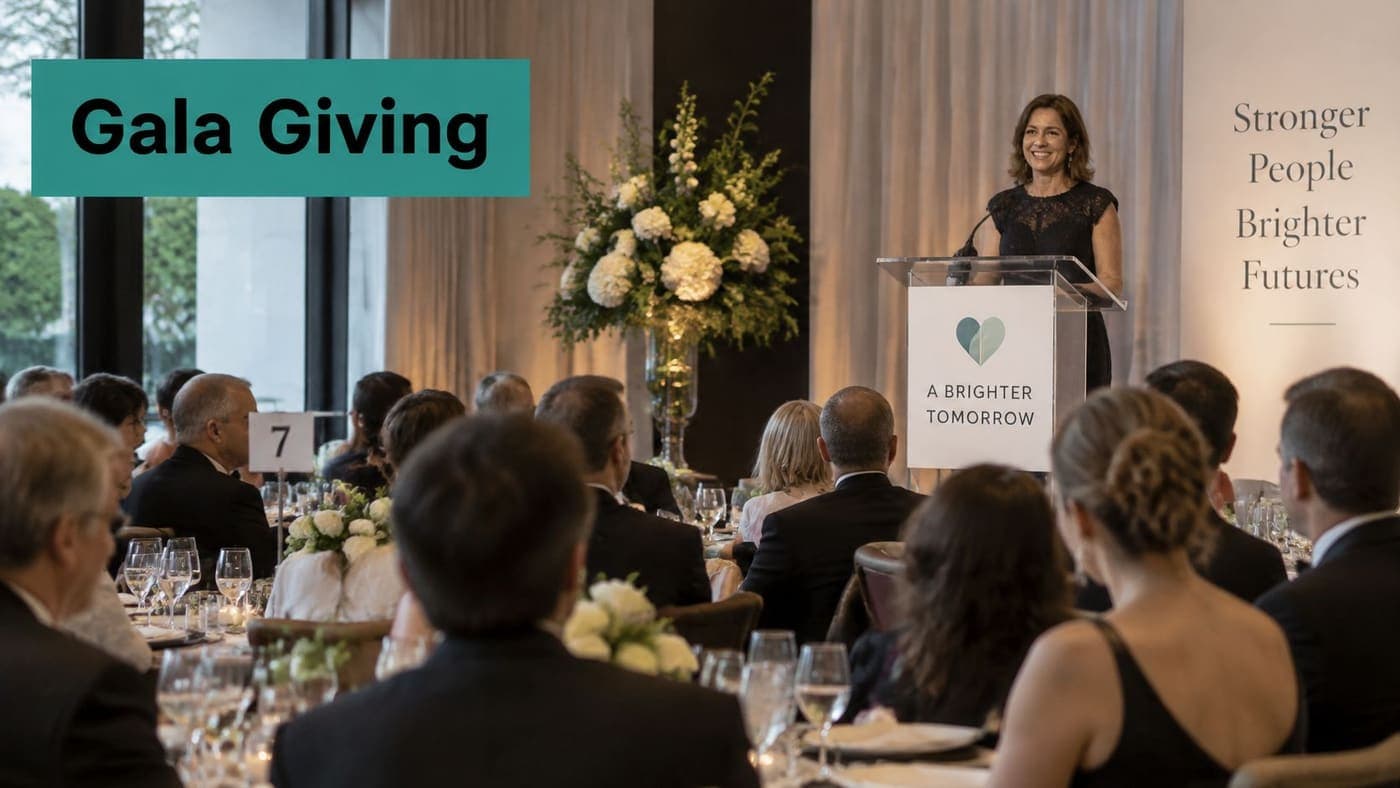
A gala works best when you already have donors who enjoy bringing other donors into the room. Table hosts introduce your mission, while a seated dinner creates space for conversations and a focused appeal.
Say a hospital foundation wants to introduce supporters to a new patient assistance program through a dinner. A beneficiary's approved story, a clear funding request, and prepared table hosts give guests a reason to respond.
Sell the Room Before You Decorate It
Set sponsorship packages first, then ask committed supporters to purchase tables before opening individual ticket sales. Don't sign an ambitious catering contract based on board members saying they'll probably bring friends.
- Protect your margin. Include catering, production, payment charges, accessibility arrangements, and staff time when estimating your net proceeds.
- Record each purpose. Separate admission payments, sponsorships, unrestricted gifts, and donations restricted to the program described during your appeal.
- Prepare the appeal. Give your speaker a specific request and your payment team a clear way to record pledges.
Gala enthusiasm isn't unusual, but financial results still depend on execution rather than the formality of the evening. In OneCause's 2024 Fundraising Outlook survey, 75% of respondents met or exceeded their event fundraising targets in 2023.
Choose this format when sponsorship relationships and reliable hosts already exist, not because your board likes dressing up. Without those foundations, a smaller gathering may protect both your budget and your donor relationships.
2. Charity 5K Run or Walk
A run or walk brings your mission into the community, including families who've never attended your fundraising dinners. Registration fees provide event income, while personal fundraising appeals introduce your organization to participants' friends and colleagues.
For example, an animal shelter could invite supporters to walk with their dogs along an approved park route. Local veterinary practices could sponsor water stations, while volunteers explain the shelter's work at the finish area.

Plan the Route Before Promoting Registration
Your biggest challenge isn't selling entries; it's keeping participants safe and volunteers clear about their responsibilities throughout the route. Confirm permissions, insurance, toilets, emergency access, weather arrangements, and an accessible participation option before announcing the event publicly.
Use a registration record that distinguishes the purchaser from everyone attending, especially when parents register entire households together. This ticket-management guide is a useful starting point for organizing registration and attendance.
- Assign route captains. Give marshals a named contact, an escalation procedure, and clear instructions for closing their positions.
- Separate gifts from entries. A registration payment and an additional donation need distinct treatment in your event records.
- Make sharing straightforward. Provide participants with a short appeal, an approved image, and the correct fundraising destination.
This format suits organizations with dependable volunteer leaders and a community-facing mission, especially when outdoor participation feels natural. If your staff must personally cover every route position, the event is probably too large for your current capacity.
3. Charity Golf Tournament
A golf tournament gives business supporters time together while creating several sponsorship opportunities around the same outing. It fits organizations whose board members can recruit corporate teams and maintain relationships beyond the clubhouse.
Say a youth mentoring nonprofit has supporters in construction, banking, and professional services who already play together. A tournament gives those supporters a familiar setting for inviting colleagues and introducing potential sponsors to your work.
The financial risk sits in the course agreement, catering commitments, and extras that accumulate during planning and promotion. Get those terms in writing before promising sponsors benefits your team may struggle to deliver on the day.
Make Sponsorship Worth Renewing
Sell a clear package rather than a long list of vaguely different sponsorship levels and optional extras. Explain exactly where recognition appears, whether playing places are included, and who coordinates the sponsor's guests before arrival.
- Fill teams deliberately. Ask sponsors to nominate a player who'll recruit the remaining members and confirm attendance.
- Record the whole relationship. Keep the company contact, payment contact, and participating guests connected without treating them as interchangeable.
- Close with evidence. Send sponsors the event outcome, photographs they have permission to reuse, and a personal thank-you.
If you're considering prizes, check redemption terms before advertising them. A desirable prize becomes a headache if the winner can't use it.
Choose golf because your supporters want to participate and your sponsors see a genuine connection with your mission. Don't choose it solely because a neighboring organization runs a successful tournament.
4. Online Silent Auction
An online silent auction removes the venue requirement, but it doesn't remove the administrative work behind each item. Someone still needs to secure donations, photograph items, answer bidder questions, collect payments, and arrange delivery or collection.
A school foundation might auction family experiences, donated services, and locally made gifts ahead of holiday shopping. The strongest catalog reflects what those families want, rather than whatever businesses happen to donate during solicitation.
Givergy and Handbid are auction-focused options worth considering when the bidding experience is central to your event. Evaluate their bidding workflows alongside the less glamorous question of how completed sales reach your financial and supporter records.
A donated item isn't free if your staff spends the entire campaign resolving unclear terms and arranging difficult delivery.
Build a Catalog You Can Fulfill
Write each listing as though the buyer has never heard of the donor or the experience being offered. Include expiration conditions, booking restrictions, collection arrangements, accessibility information, and what the purchase does and doesn't include before bidding opens.
- Track custody. Record whether the item is physically held by your organization or still needs collecting from its donor.
- Define payment expectations. Publish the deadline and explain what happens if the winning bidder doesn't complete payment.
- Assign fulfillment. Give someone responsibility for matching paid invoices with the correct items and documenting their collection.
Auctions suit teams with organized volunteers and attractive donated items, even when those teams lack a large venue. They're less suitable when your available donations require complicated travel arrangements or significant staff negotiation after every sale.
5. Trivia Night
Trivia offers a friendly first event when you need a manageable budget and a reason for supporters to invite friends. Your essential ingredients are a welcoming venue, reliable sound, accurate questions, and a host who keeps things moving.
For a library foundation, the appeal could be simple: local teams competing to support children's reading activities. An animal shelter could use the same format with a pet-themed round and a short adoption-program update.
Keep the fundraising straightforward so guests understand what they're buying and what their participation will support that evening. Team entry and a sponsored round may be enough without adding auctions, merchandise, and repeated donation appeals between questions.
Keep the Evening Fair and Friendly
Set team sizes before registration opens, and make your rules visible before anyone answers the opening question. Confirm answers independently, explain how disputes will be resolved, and avoid rules that let larger spenders effectively purchase victory.
- Include different interests. Mix subjects and difficulty so guests don't need specialist knowledge to enjoy participating.
- Recognize sponsors clearly. A named round gives a local business visibility without requiring a lengthy sales presentation.
- Check permissions. Before adding raffles or alcohol sales, establish which local rules apply to your organization and venue.
Your donor records should distinguish the team purchaser from guests who separately agree to hear from your organization. Don't add everyone on an attendance sheet to your mailing list without permission.
Choose trivia when you want approachable community participation, not an elaborate production that happens to include questions.
6. Giving Day Campaign
A giving day concentrates your message around a specific need, without requiring your supporters to attend a venue. It suits organizations with an engaged contact list and someone available to answer questions while the campaign is running.
A community food program, for example, could focus its appeal on keeping a particular service available through the coming season. Explain the need, show the intended outcome, and secure written terms before announcing any matching gift.

Prepare the Follow-Up Before Launch
GivingTuesday participants who gave again showed 65% retention, compared with 52% among donors who gave earlier in the year, according to NonProfit PRO's coverage of GivingTuesday's 2025 results. That comparison isn't a forecast for your campaign, but it reinforces the importance of measuring repeat support.
Make your online giving page easy to understand, with a clear purpose and consistent language across your appeals. Test the complete donation journey on a phone, including the confirmation message and receipt, before promoting it publicly.
- Coordinate messages. Keep email, text, social posts, and board outreach consistent about the campaign's purpose.
- Explain the match. State its conditions clearly, and don't imply every gift qualifies unless that's true.
- Plan distinct thanks. Welcome new donors differently from returning supporters who already know your work.
A giving day doesn't eliminate event pressure; it moves that pressure into preparation, communication, and prompt donor care. Choose it when your contact records are ready, not when you're hoping urgency will compensate for an outdated list.
7. Peer-to-Peer Fundraising Challenge
A peer-to-peer challenge lets supporters introduce your mission through relationships you couldn't build through your mailing list alone. Participants invite their own friends to contribute, usually around an activity, personal commitment, or shared community goal.
For example, a literacy nonprofit could ask supporters to complete a reading challenge and explain why literacy matters personally. The participant's connection gives the appeal credibility, while your organization supplies the facts and handles incoming donor questions.
This format needs less venue coordination, but it demands more coaching than just sending people a fundraising link. Participants need a usable message, a clear purpose, and reassurance that asking friends doesn't have to feel uncomfortable.
Support the People Making the Ask
Keep your fundraising campaign organized around a consistent explanation of what donations will support and how results will be reported. Give participants materials they can adapt without accidentally promising benefits or outcomes your organization can't guarantee to every donor.
- Provide a starter message. Include the personal reason, the charitable purpose, and a direct invitation to contribute.
- Respect privacy. Explain how donors' information will be handled and whether participants can see individual giving details.
- Recognize effort broadly. Celebrate first-time fundraisers and thoughtful outreach, not just people with wealthy personal networks.
Track the participant who introduced each donor, while keeping that donor's own relationship with your organization intact afterward. Your thank-you should acknowledge the introduction without making every future communication dependent on the original fundraiser's continued participation.
Choose this approach when supporters want to speak for your mission and your staff can encourage them consistently.
8. Volunteer Appreciation Night
An appreciation evening protects the relationships that make your other events possible, even when it produces little immediate revenue. It gives volunteers time with leadership and shows that you notice their contribution beyond the tasks they complete.
A youth program could recognize coaches, drivers, mentors, and the people who prepare equipment before every session. A shared meal or informal gathering may suit that purpose better than a formal awards ceremony with another planning committee.
Keep appreciation separate from pressure, particularly when volunteers have already given substantial time during a demanding fundraising season. An unexpected donation appeal can make a thank-you evening feel like another assignment rather than an expression of gratitude.
Make Recognition Accurate and Personal
Use your volunteer-management records to prepare recognition that reflects actual service, responsibilities, and the programs each person supports. Check missing entries privately before announcing totals, especially when some volunteers record their hours more consistently than others do.
- Name the contribution. Explain what someone's work made possible instead of relying only on generic certificates.
- Ask about the experience. Invite practical feedback about scheduling, communication, training, and whether assignments matched expectations.
- Offer a next step. Let volunteers express interest in future projects without expecting an immediate commitment.
Appreciation works best when people feel seen, not ranked.
Record preferences after the evening so your next request reflects what each volunteer wants to contribute going forward. Someone who enjoys welcoming guests may not want responsibility for cash collection, even if they're dependable.
Choose this event when retention, morale, and volunteer leadership deserve attention rather than another fundraising target.
9. Donor Impact Open House
An open house builds confidence by letting supporters understand your work beyond the wording in an appeal letter. It's especially useful when donors ask thoughtful questions about delivery, spending decisions, or the difference their support makes.
A museum might show how collections are cared for, while a community program could demonstrate its teaching materials. A health clinic needs more careful boundaries, with visits arranged around confidentiality, consent, and uninterrupted patient care.

Show the Work Without Disrupting It
Ask program staff what visitors can appropriately see, and let beneficiaries decide whether they want to participate at all. Donors deserve an honest explanation of your work, but access should never come at someone else's expense or discomfort.
In a representative survey of 1,000 U.S. nonprofit donors, 63% reported being more likely to give after a positive event experience, according to the 2018 Donor Experience Study. Treat that older finding as directional support for thoughtful stewardship, not a prediction of what your next tour will raise.
- Prepare meaningful stops. Show a process, explain a challenge, and connect each example to your mission.
- Invite real questions. Leave room for discussion rather than filling the entire visit with prepared presentations.
- Record promised follow-up. Capture questions and interests in your donor-management record, then assign responsibility for responding.
Measure success through completed follow-up conversations, renewed engagement, and useful feedback, alongside any gifts that follow the visit. Choose an open house when access and explanation will build more trust than another formal fundraising appeal.
10. Church or School Fall Festival
A fall festival gives families several comfortable ways to participate, from helping at a booth to attending together. Food, games, performances, and small purchases can support your purpose without making a large donation the price of belonging.
A school might raise money for classroom supplies, while a church could support a community assistance program. State the purpose clearly, particularly when different booths support different activities or families are also invited to give online afterward.
The operational difficulty is handling many small transactions while volunteers rotate between booths and families need practical help. Weather, food handling, safeguarding, accessibility, and cash security all deserve attention before you choose decorations or book additional entertainment.
Give Every Booth Clear Ownership
Assign each booth a lead, a written opening procedure, and a defined method for closing and handing over money. Keep sales, general donations, and purpose-restricted gifts separate so your finance team doesn't have to reconstruct intentions afterward.
- Control cash handovers. Document opening floats, collections, refunds, and closing balances, with independent review of the count.
- Support family access. Provide clear signage, suitable toilets, seating, and quieter participation options where practical.
- Include absent supporters. Put a donation destination on promotional materials so families can contribute without attending.
If the festival benefits a fiscally sponsored project, the sponsor carries the legal and financial responsibility for donations and restrictions, as the National Council of Nonprofits explains. Confirm that arrangement before volunteers begin collecting money or promising receipts.
Choose a festival when you have dependable booth leaders and a community that enjoys helping deliver the event together.
How the ten nonprofit event formats compare on revenue, effort, and best fit
| Item | Revenue Model | Lead Time | Best For | Staff or Volunteer Lift |
|---|---|---|---|---|
| Charity Gala Dinner | Ticket and table sales, sponsorships, live appeals | Six months or more | Major gifts and donor stewardship | High; planning committee and event team |
| Charity 5K Run or Walk | Registration fees, participant pledges, sponsorships | At least 90 days; permits need advance planning | Community reach and recurring fundraising | High; course, check-in, and water-station volunteers |
| Charity Golf Tournament | Foursome fees, sponsorships, auction, raffle | Requires advance course and sponsor planning | Corporate networking and higher per-person giving | High; coordination for course, players, and dinner |
| Online Silent Auction | Bids on donated items and experiences | At least eight weeks to collect and prepare items | Remote participation with low venue overhead | Moderate; item solicitation, listings, and payment follow-up |
| Trivia Night | Team entry fees, raffles, sponsor rounds, drink sales | A few weeks; simple setup | Low-cost community fundraising | Low to moderate; host and basic event support |
| Giving Day Campaign | Online donations, matching gifts, challenge goals | Several weeks of promotion | Concentrated online giving and donor acquisition | High; dedicated campaign team and timely outreach |
| Peer-to-Peer Fundraising Challenge | Donations raised through participants' personal pages | Several weeks to recruit and prepare participants | Reaching new donors through personal networks | Moderate; participant check-ins and campaign support |
| Volunteer Appreciation Night | Primarily an engagement event; optional donations | A few weeks | Volunteer recognition and retention | Low; simple gathering and invitations |
| Donor Impact Open House | Primarily donor stewardship; supports future gifts | A few weeks to coordinate invitations and tours | Building trust with mid-level and major donors | Moderate to high; staff hosting and follow-up |
| Church or School Fall Festival | Booth sales, activity tickets, bake sales, donations | Several weeks to coordinate | Family and community engagement | High; many booth, setup, and cleanup volunteers |
Pick One Event This Year and Plan It Backward
Choose the event your team can deliver without borrowing time from essential programs or neglecting your existing supporters. Your best format should match your donor relationships, available volunteer leadership, and ability to account for every transaction.
Start with the result you want after the event, then work backward toward invitations, registration, preparation, and approvals. Decide who reconciles payments, who contacts new supporters, and who answers outstanding questions before you announce the date publicly.
Don't make hybrid participation an automatic requirement because it sounds more inclusive during an early planning discussion. Among organizations using hybrid formats, 76% met or exceeded their event goals in 2024, according to OneCause's 2025 Fundraising Outlook. That result doesn't mean your small team should add a livestream without a clear audience or sufficient production support.
Protect the Relationships and the Records
Ask supporters what would make participation possible, then budget for those needs rather than assuming technology provides the answer. Accessible venues, transportation, captions, childcare arrangements, or a daytime session may matter more than broadcasting the stage.
Settle dependencies and responsibilities before adding optional attractions to the running order.
Your finance plan should distinguish income by event, program, donor restriction, and payment status without relying on memory afterward. QuickBooks classes can help organize activity, but labels alone don't replace a complete process for tracking restricted fund balances.
Keep receipts, refunds, pledges, and bank reconciliation within the plan, not in a separate cleanup project after everyone's tired. Report net proceeds alongside meaningful relationship outcomes, including new donor conversations, repeat gifts, and volunteers interested in returning for future work.
Keep Software in Its Proper Place
We built AlignMint to connect accounting, donor records, volunteers, events, and a built-in marketing suite in one operating record. Our true fund accounting and Minty AI assistant help your team investigate live records without assembling another spreadsheet first.
Our Free plan includes donor records, giving pages, and fundraising drafts for one user, for nonprofits with up to $100K in annual donations. Event and volunteer management are included in Plus, so don't assume the Free plan covers every event workflow described above.
We offer a free setup call to walk through fund accounting, donations, and reporting against your actual plan. Event payments require eligible non-taxable events, completed Giving Setup, and event-revenue mapping; we don't support event tax collection.
We offer connected nonprofit records and a free setup call to help you plan beyond ticket sales. Visit AlignMint to discuss your event's donations, reporting, and follow-up before you send the first invitation.
Ready to try AlignMint with your nonprofit?
Start free — set up donor tools, giving pages, and Minty. Upgrade when you need accounting.