

Fund Accounting for Schools: Simplify Compliance & Budgets
If you're closing the year with a stack of spreadsheets and a few too many “Which fund can pay for this?” questions, you're not alone. School finance gets messy fast when grants, operating dollars, capital projects, and student activity money all sit close together, so the answer has to be clear before the next board meeting, audit, or reimbursement request lands on your desk.
Fund accounting for schools gives you that clarity by separating money by purpose, not just by department. When the books match how the money is allowed to be spent, you can protect donor intent, explain balances to your board, and stop guessing at month end.
Quick Answer: Fund Accounting for Schools
Fund accounting for schools separates money by purpose—grants, operating dollars, capital projects, and student activity funds—so you can see what each dollar is allowed to pay before the next board, audit, or reimbursement question.
Start with school software and fund accounting. Then compare fund accounting for nonprofits with the fund accounting primer.
Introduction
The hardest part is usually not entering the transaction. It's deciding where that transaction belongs when the lunch program, a state grant, a building reserve, and a student club all need attention in the same week.
A good school finance setup answers one question first, what purpose does this money serve. Once that is clear, your chart of accounts, fund structure, and reporting can work together instead of fighting each other.
School leaders need numbers they can trust without spending hours untangling them. That means separating unrestricted operating dollars from restricted grants, construction money, debt service, and student activity cash before problems pile up.
Understanding Key Concepts
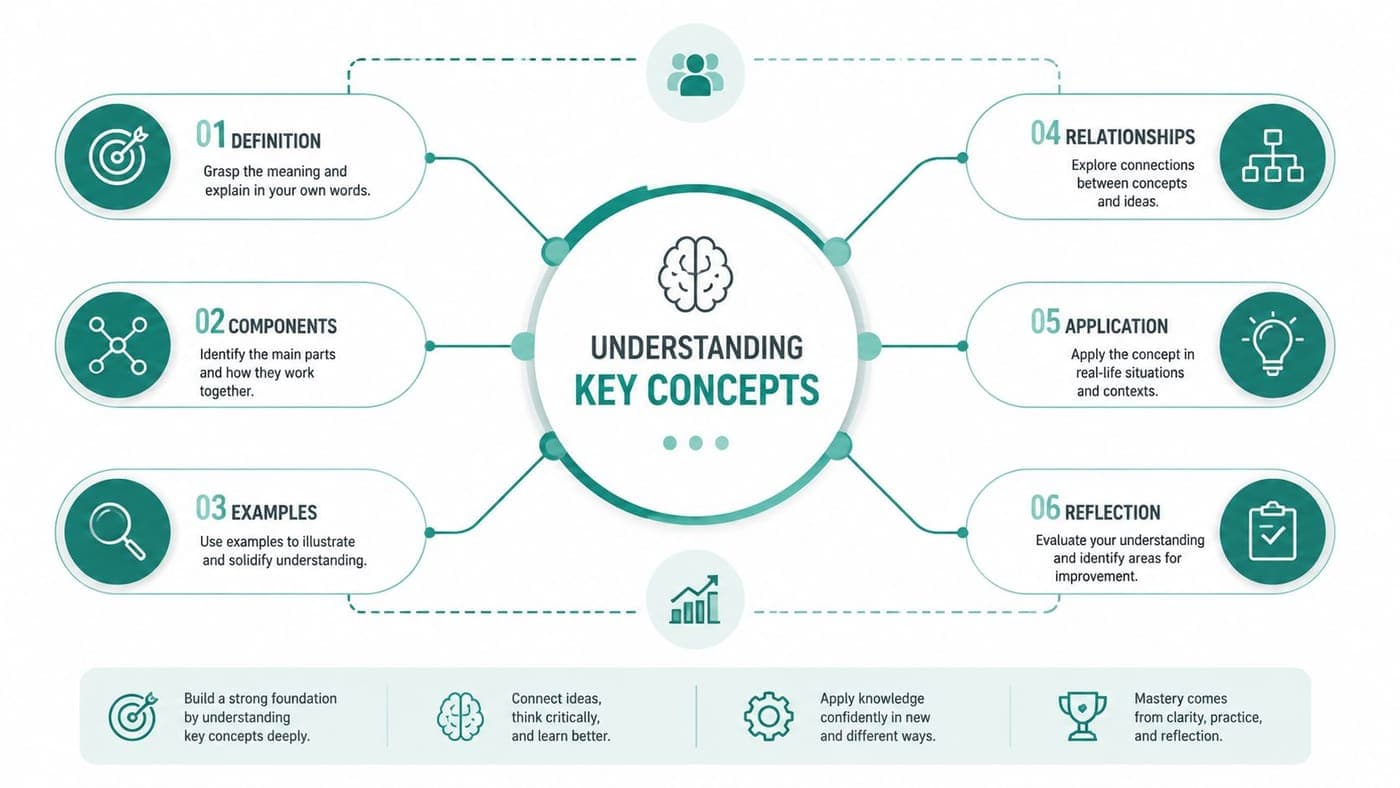
Fund accounting starts with a simple idea, each fund behaves like its own self-balancing set of books. In school terms, that means you can treat one fund like a labeled folder for a specific purpose, and every receipt, bill, or transfer goes into the right folder from day one.
That separation matters because public school spending is large and mixed across purposes. U.S. public elementary and secondary education accounted for $880.7 billion in fiscal year 2022, and $15,591 per pupil in current expenditures, so fund-level accuracy is not a clerical detail, it drives real budgeting decisions and reporting discipline (NCES FY 2022 finance data).
Why the fund matters more than the bank account
A school can have one bank account and still run many funds inside the ledger. That's why the accounting system matters more than the checkbook, because the system preserves which dollars are unrestricted, which are donor-restricted, and which belong to a specific project or activity.
Practical rule: If a receipt arrives with a restriction, code it correctly at posting time. Fixing it later is how balance reports get messy.
The concept is easier to see if you think of each fund as a shelf with its own inventory count. A special revenue fund for a grant should not borrow from the general fund just because cash sits in the same bank.
That's why many school finance teams turn to plain-language reference material, including Bookkeeping and Accounting of Florida Inc. insights, when they need a simple explanation of why separate funds matter. You can also keep a shared glossary handy through AlignMint's fund accounting glossary so staff use the same terms when they code transactions.
What schools typically separate
Most school systems need different buckets for the General Fund, Special Revenue, Capital Projects, Debt Service, and fiduciary or agency activity. Each one has a different purpose, so each one needs its own balance tracking and reporting discipline.
- General Fund: Covers day-to-day operating activity and the school's flexible spending.
- Special Revenue Fund: Holds restricted grants and earmarked program dollars.
- Capital Projects Fund: Tracks construction, major repair, and equipment financing.
- Debt Service Fund: Keeps debt-related money separate from operating cash.
- Activity or Fiduciary Fund: Tracks student-centered cash that doesn't belong to the school's operating budget.
A useful way to explain this to staff is to call each fund a labeled file folder that updates automatically. The label is what keeps the transaction from drifting into the wrong place.
Reports and Compliance Requirements
School finance teams don't need more reports, they need the right reports. The point is to satisfy auditors, grantors, and the board without forcing staff to rebuild the same numbers three different ways.
The core reports usually answer three questions, how much came in, how much was spent, and what balance remains by fund. In school settings, that also means showing whether a balance is unrestricted, restricted, or tied to a specific compliance rule.
An Aspen Institute analysis warns that philanthropic funds can amplify inequity without granular reporting across schools, which is why district leaders need fund-level visibility instead of only top-line totals (Aspen Institute equity funding analysis).
What auditors and grant reviewers look for
Auditors want to see whether every fund can stand on its own and whether the ledger tells a consistent story. Grant reviewers want to know whether the funds were spent on the exact purpose approved in the award.
That means your reports should make it easy to trace a dollar from receipt to use. If a grant was meant for a specific instructional purpose, the reporting should show the restriction, the spending, and the remaining balance clearly.
A clean report is usually the result of clean posting, not heroic cleanup at month end.
Private fundraising adds another layer. A school with PTA gifts, donor campaigns, or in-kind support needs reporting that can show where money went across campuses and programs, not just at the district summary level.
If your school also supports a nonprofit entity, the reporting discipline becomes even more useful for tax preparation workflows, including the kind of organizational visibility supported by AlignMint's Form 990 builder. The principle is the same, even when the filing differs.
Why source-level reporting matters
Education funding often moves through multiple public layers before it reaches the school. OECD analysis shows that, in 2011, education spending across member countries came mostly from public sources, and initial funding commonly passed through central, regional, and local levels before reaching schools (OECD budgeting and accounting study).
That matters because the money's source can shape its restrictions. If your reporting system cannot show those distinctions cleanly, you'll spend too much time untangling receipts after the fact.
Designing Your School Chart of Accounts
A strong chart of accounts is the control center for school fund accounting. If the code structure is weak, every report gets harder, every reconciliation takes longer, and every restriction becomes a manual detective story.
The goal is to make the account structure reflect the way schools spend money. You want staff to choose the right fund, object, and purpose code quickly, without having to decode a spreadsheet novel each time they enter a bill.
School accounting manuals describe funds as self-balancing entities with separate reporting, which is why the structure has to start with the fund itself (NCES financial accounting overview).
A practical code structure
A school chart of accounts usually begins with a fund code, then layers in the object, program, and location or school code. That gives you one path for operating activity and another for restricted activity, while still keeping local reporting useful.
| Fund Type | Description | Code Range |
|---|---|---|
| General Fund | Unrestricted operating activity | 1000 series |
| Special Revenue | Restricted grants and earmarked programs | 2000 series |
| Capital Projects | Construction and major asset activity | 3000 series |
| Debt Service | Principal and interest-related activity | 4000 series |
| Activity Funds | Student activity and club cash | 5000 series |
Use the same logic every time. If a transaction does not fit the fund's purpose, it does not belong there, even if the cash is available.
That discipline becomes especially important when your school uses a platform with direct chart-of-accounts support, such as AlignMint's nonprofit chart of accounts template. The benefit is less about prettier codes and more about fewer coding exceptions.

Why self-balancing funds change the design
Self-balancing funds mean each fund carries its own revenues, expenditures, assets, liabilities, and ending balance. California's school accounting guidance describes this as an accounting entity with its own trial balance and related statements, so the chart of accounts has to support that separation (California fund accounting overview).
If you mix restricted receipts into the wrong fund, the fund balance can look stronger than it really is. That creates false confidence, which is worse than a clean error because it affects spending decisions.
Design rule: build the chart so the right answer is the easiest answer.
A good chart of accounts also makes audits calmer. When the code structure forces transactions into the right fund, your staff spend less time reconciling and more time explaining actual school operations.
Tracking Restricted Funds and Grants
Restricted money is easiest to manage when you treat it like a promise with a timeline. The money arrives with conditions, the ledger records those conditions, and the spending should match the approved use until the restriction is satisfied.
That's the part many teams rush. They record the cash, but they don't always record the restriction cleanly enough to keep the balance available for the right program.
Follow the money from receipt to release
Start with the award letter, donor note, or grant agreement. That document tells you whether the funds are restricted by purpose, time, or both, and it should drive how the receipt enters the accounting system.
Then code the incoming money to the correct restricted fund, not the general operating bucket. From there, track each expense against the grant or donor purpose, so your remaining balance always reflects the true available amount.
A clean workflow often looks like this:
- Record the gift or grant receipt with the correct restriction.
- Attach the donor or grant record so the original intent is easy to prove.
- Code each payment or reimbursement to the matching fund.
- Reconcile the bank activity against the ledger regularly.
- Check the remaining fund balance before approving new spending.
- Release the restriction only when the conditions are met.
The extra step many schools skip is the balance check before new spending. That check prevents a project from overspending one week and creating a reimbursement problem the next.
Why granular tracking protects your school
When a grant has a reimbursement model, sloppy coding can delay or block payment. When a donor gave money for a specific school purpose, the same mistake can leave funds stranded in the wrong bucket.
School-specific fund accounting software helps because it can keep the donor or grant record tied to the transaction instead of relying on memory. A platform like AlignMint's restricted funds workflow is built around that kind of traceability for nonprofits and schools.
Useful habit: check the fund balance before you approve the purchase, not after the invoice arrives.
The important thing is timing. If the restriction release happens too early, the reports overstate available funds. If it happens too late, the program looks stuck even though the work is finished.
Budgeting and Internal Controls
A budget only protects you when the controls behind it are strong enough to catch mistakes before they spread. In schools, that usually means clear approval paths, regular reconciliations, and budget-to-actual reports that staff can read without a finance degree.
The strongest budget process is simple enough for a busy team to keep using. If every adjustment needs a meeting, people will work around the process, and the books will show it later.
Build controls that fit real school staffing
Start with approval rules for inter-fund transfers. If one fund needs help from another, require a clear reason and a second set of eyes before the transfer posts.
Then set a calendar for reconciliations. Daily or weekly posting makes the ledger more accurate, and it gives you enough time to spot odd balances before they become month-end surprises.
For schools that want a straightforward planning tool, AlignMint's nonprofit budget template can help staff map budget lines to fund activity without rebuilding the structure from scratch. The value is in the discipline, not the template itself.
Make variance reports part of the routine
Budget versus actual reports should answer one question, where are we drifting. If a restricted program is over budget or a capital line is underused, you want that signal early enough to act.
- Review timing: Look at actuals while there's still time to correct the issue.
- Explain variances: Tie each difference to a known event, not a guess.
- Document transfers: Keep the reason for any move between funds visible.
- Protect restrictions: Don't use one fund to mask a problem in another.
Consistency is the primary advantage. When the same people review the same report each month, they learn what normal looks like and spot exceptions faster.
Common Pitfalls and How to Avoid Them
The most expensive school accounting mistakes usually look small at first. A receipt gets coded to the wrong fund, a student activity balance sits in the wrong place, or a cash-basis fund gets treated like an accrual fund, and the problem stays hidden until reconciliation time.
Student activity money is the classic blind spot. Many guides skip it, yet those balances need separate rules to protect student groups and keep the records auditable (NCES activity fund guidance).
Where teams get tripped up
One common error is mixing operating activity with activity fund cash. Activity funds are transactional and usually cash-focused, while governmental funds need the separate fund balance logic that supports compliance reporting.
Another issue is coding small receipts loosely because they seem harmless. A handful of mispostings can distort the fund balance, and the correction work usually takes longer than doing it right the first time.
A third issue is treating restrictions like a note for later instead of a posting rule. If the restriction lives only in someone's inbox, the ledger can't protect you.
How schools recover from these mistakes
The fix is usually less dramatic than people expect. One school finance team reduces errors by tightening front-end coding and requiring a second review for activity fund receipts.
Another team limits who can move money between funds, then uses monthly account reviews to catch anything unusual. That creates a paper trail the auditors can follow without needing a reconstruction project.
If a transaction feels minor, that's often the moment to slow down and code it correctly.
The broader lesson is simple. Good fund accounting is not only about compliance, it also protects student groups, teachers, and program leaders from confusion that drains time all year.
Choosing Software and Implementation Checklist
Software should make the right posting easier, not harder. If your current system can't handle restricted funds, student activity balances, and school-level reporting in one place, you'll keep paying the hidden tax of manual cleanup.
That's why you want a system that speaks the language of schools, not just general bookkeeping. True fund accounting, donor records, volunteer activity, event support, and internal communication belong together when your team is already juggling too many tools.
What to look for
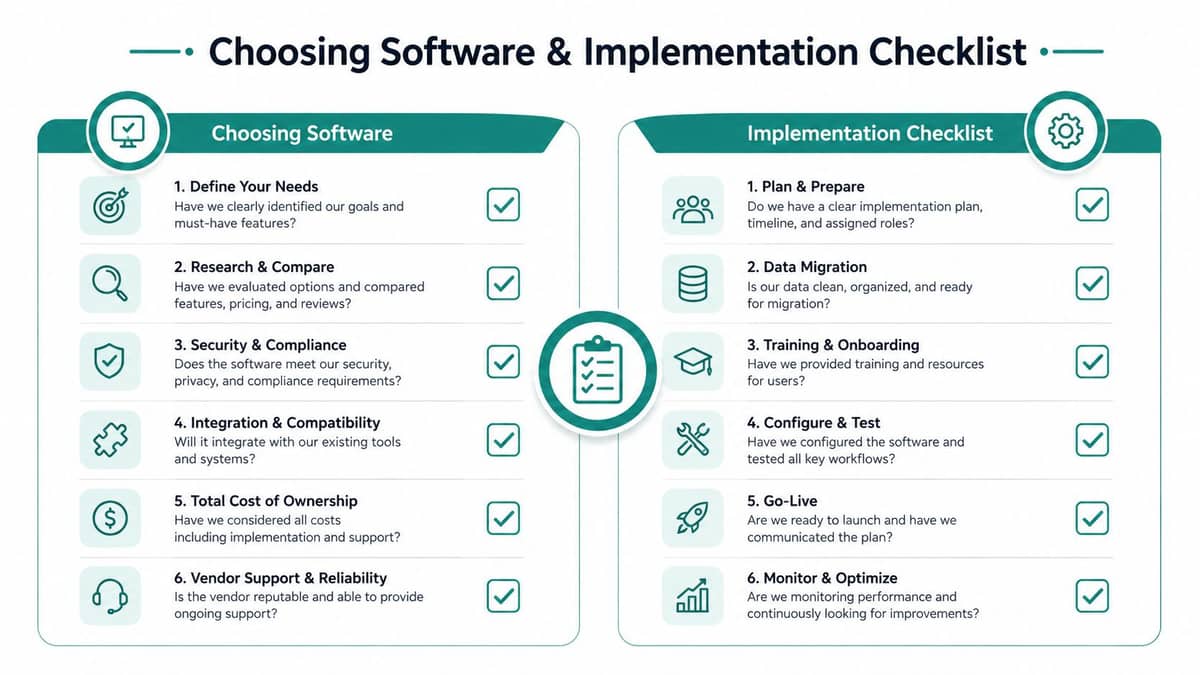
A practical software checklist starts with native fund accounting. You need real-time restricted balances, fund-specific reporting, and account mapping that reflects school structures rather than generic small business categories.
You also want an integrated donor CRM, because fundraising and finance should share the same gift record. If those systems stay separate, staff end up retyping the same donation details and correcting mismatches later.
For schools that also send mail or appeal letters, direct mail solutions for nonprofits can matter as part of the broader fundraising workflow. Mail, giving, and accounting work better when the data doesn't have to be rebuilt by hand.
A rollout plan that doesn't overwhelm staff
Start with data cleanup. Old fund codes, duplicate accounts, and vague program labels will cause problems no matter how good the platform is.
Then map each fund to the new chart of accounts and test a few sample transactions. After that, train the staff who enter receipts and approvals, because they determine whether the system works in daily use.
Indiana's school manual requires daily posting of receipts to each fund plus an All Funds Control account, which is a strong reminder that multi-fund reconciliation has to happen inside the system, not at the end of the month (Indiana school accounting manual).
A school finance platform such as AlignMint can handle true fund accounting alongside CRM, volunteers, events, and marketing in one place, with Minty helping staff ask questions about their own data. That matters if you want one system for restricted funds, school fundraising, and team communication instead of patching together several tools.
If you want fewer coding errors, clearer restricted balances, and school reports that hold up under scrutiny, take a hard look at your chart of accounts and your software side by side. Visit AlignMint to see how true fund accounting, donor management, volunteer tools, and marketing can live in one place for your school.
Ready to try AlignMint with your nonprofit?
Start free — set up donor tools, giving pages, and Minty. Upgrade when you need accounting.