

Nonprofit Statement of Activities: A 2026 Guide
You're probably looking at a draft right before a board packet goes out, and one number doesn't feel trustworthy. The nonprofit statement of activities is the report that tells you whether your story holds together, whether donor restrictions were honored, and whether funders will see your work the way you intend.
For executive directors, that matters because the statement isn't just a compliance form. It's the document that answers the questions your board, banks, and funders are already asking, and it helps you explain the finances without hand-waving. If you want a simple planning lens for that conversation, the ideas in business planning goals explained with examples fit surprisingly well, because both are about turning activity into decisions.
Quick Answer: Nonprofit Statement of Activities
The statement of activities shows how nonprofit resources moved during a period, split by donor restrictions and connected to functional expenses. Clean fund accounting and release documentation make the report usable for boards, funders, and Form 990 prep without weekend reconstruction.
Compare this with the earlier statement of activities primer, then deepen with restricted vs unrestricted funds and fund accounting.
Why This Report Matters Before Your Next Board Meeting
The best outcome from this report is simple, your board leaves with fewer questions and more confidence. When the statement of activities is clear, you can show where money came from, what it supported, and whether any donor promises still apply.
That matters most when restricted balances and operating needs don't line up neatly. A board member doesn't want accounting jargon, they want to know whether the organization can keep serving people without crossing a line.
What your stakeholders are really reading for
Your finance committee is usually checking whether the period's activity matches the story in the budget. Funders are looking for sustainability, mission spending, and whether the money was used as intended. Charity Navigator and similar reviewers also read the statement through ratios such as program expense ratio, fundraising expense ratio, and revenue concentration, using the benchmarks described in this guide to judge funding mix and mission spending efficiency (GrantPipe's statement of activities guide).
Practical rule: if the statement can't explain restricted funds in plain language, your board packet isn't ready yet.
That's why it helps to read the report as a communication tool, not a filing task. A board meeting runs better when the numbers answer the same questions every time, and that's easier if your reporting workflow connects to your meeting materials like our board meeting resources.
What the Nonprofit Statement of Activities Actually Is
The simplest way to explain the nonprofit statement of activities is to call it the nonprofit version of an income statement. The difference is important, because a nonprofit doesn't have owners, so the report tracks changes in net assets instead of profit.
Think of it as a period-based operating snapshot. It covers a month, quarter, or fiscal year, and it ends by showing whether resources increased or decreased during that period. The report is built from revenues, expenses, and the resulting change in net assets, which is why it tells a stewardship story rather than a profitability story (Aplos guide to the nonprofit statement of activities).
The two reports people mix up
The statement of activities is not the same as the statement of financial position. The financial position report is a snapshot of assets and liabilities on one date, while the statement of activities shows movement across time. One answers “what do we have right now,” the other answers “what changed during the period.”
That distinction trips up new board members because both reports mention net assets. The first shows balance, the second shows movement, and you need both to understand whether the organization stayed financially healthy.
A clean mental model
The report starts with money coming in. It then shows money going out, and it finishes with the change in net assets.
The plain-English takeaway is this. The statement tells you how your resources moved, and whether you honored the restrictions attached to each dollar. If you want a glossary-style reference for the term itself, our statement of activities glossary page is a quick companion to keep nearby.
Inside the Statement and What Each Line Means
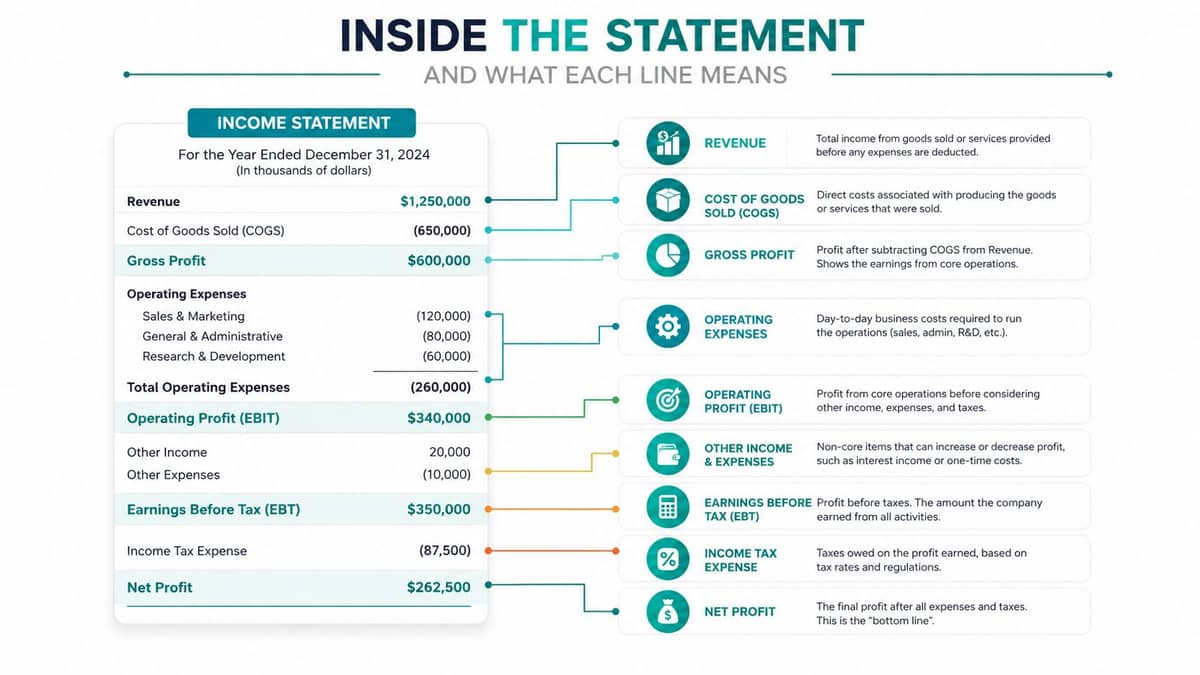
A nonprofit board packet can look tidy on the surface and still leave people asking the wrong questions. The statement of activities is the page that shows whether the organization used its resources the way donors, grantmakers, and reviewers expected, and it only works if each line tells a clear part of that story. Under U.S. nonprofit GAAP, the report has required building blocks. It must show revenues, expenses, gains, losses, and reclassifications in reasonably homogeneous categories, and it must present the change in net assets for the period (JMCo's nonprofit statement of activities guide).
Start with the net asset split
The first line of judgment is the split between without donor restrictions and with donor restrictions. Money without donor restrictions can support general operations. Money with donor restrictions carries a purpose, a time limit, or both, so the report has to keep that separation visible (YPTC's statement of activities overview).
A simple grant example makes the point clearer. If a foundation gives you a $50,000 grant for a youth program, that revenue does not act like unrestricted support until you spend it for the approved purpose. Until then, it sits in restricted net assets, because the condition attached to the gift still matters. That treatment matches the required presentation in ASC 958-220-45, which calls for the change in net assets without donor restrictions, with donor restrictions, and the total change in net assets.
What the line items are doing
Revenues are usually shown gross, not net, with limited exceptions such as special events and incidental activities. That matters because a funder reading the report wants to see the scale of each stream before offsets blur the picture. Expenses are typically grouped by function, because users need to see program, management, and fundraising activity clearly. Gains and losses show up when something outside routine operations affects the period, and reclassifications move amounts between net asset classes without changing total net assets, because they always net to zero (ASC 958-220 summary).
The hard part is not the math. It is making sure the categories tell the same story your donors think they funded.
Why presentation format matters
ASC 958-220 does not force one display format, so nonprofits can choose the layout that best serves financial statement users while preserving the required elements. That flexibility helps, but it also means software and chart-of-accounts design affect how readable the statement looks (JMCo's nonprofit statement of activities guide).
If your major program classes are not described on the statement, they need to be in the notes. That detail matters when a funder wants to connect mission activity to financial results, and it is built into the required disclosure structure in ASC 958-220. For a line-by-line companion, see the statement of activities documentation.
How Fund Accounting and Form 990 Connect to the Statement
A nonprofit can have strong programs and still send out a confusing statement of activities if the bookkeeping underneath it is muddy. The report is only as clear as the records that feed it, so the hard part starts before year-end close, when staff decide how to track restricted gifts, operating support, and program revenue.
That is why true fund accounting matters more than a pile of spreadsheet workarounds. A system built around funds keeps restricted grants, programs, and general support in the right buckets from the start, so the statement of activities reflects live balances instead of a manual cleanup job. The same structure also helps with Form 990, because the filing needs the organization's revenue and expense story to match the way resources are classified internally. For a fuller walkthrough of that setup, see fund accounting for nonprofits.
What good systems do for you
A well-built chart of accounts lets the statement do its job without guesswork. Revenue posts to the right class, expenses land in the right function, and restricted balances remain visible until the release happens.
That matters most for smaller teams that are still stitching processes together by hand. QuickBooks can handle basic bookkeeping, and Blackbaud Financial Edge gives larger accounting teams more depth, but many small organizations still need extra mapping to make nonprofit reporting read cleanly. Aplos speaks closer to nonprofit language and can suit lean teams, while a system like AlignMint brings accounting, CRM, volunteers, events, and marketing into one environment with true fund accounting and Form 990-ready outputs.
Practical rule: if you need a separate spreadsheet just to explain restricted balances, the accounting structure is doing too little.
Why Form 990 gets easier
When your internal categories match your reporting categories, year-end filing gets calmer. You are not rebuilding the story from scattered exports, you are pulling from records that already know whether money was restricted, released, or spent.
That matters for grant-heavy organizations and fiscal sponsors, because those groups often manage money with tight conditions and multiple reporting layers. It also matters for churches and schools, where gifts, program fees, and designated funds can create messy month-end reporting if they are not modeled natively. The statement of activities then becomes the bridge between day-to-day bookkeeping and tax-season reporting, which is why fund accounting and Form 990 preparation need to be designed together rather than treated as separate chores.
Walking Through a Sample Statement Step by Step
A sample makes the statement easier to read because it turns labels into a story. A fictional community nonprofit with ordinary activity, but enough moving parts to matter, gives the clearest view.
Start with revenue. The organization records contributions, program service revenue, grants, and investment income on separate lines, then shows expenses by functional use. If it receives donated goods or other non-cash support, those belong in revenue too, because they are part of the stewardship story, not hidden extras.
A board member or funder usually reads that first pass the same way a cashier reads a receipt. They are not looking for decoration, they are looking for whether the totals and categories make sense together.
How the restricted grant moves
Now add one restricted grant, a $25,000 award for youth programming. It appears as revenue, but it sits in net assets with donor restrictions until the organization spends it on qualifying activities. When the spending happens, the amount is released, and the statement shows that movement through reclassification rather than pretending the restriction never existed.
That treatment helps the board answer a simple question, “Can we spend this now.” The answer is sometimes yes, sometimes no, and the statement should make that obvious without a side conversation. This is the part that often trips people up, because the cash may already be in the bank while the accounting still says, “not yet for general use.”
What readers should look for in the layout
The requirement for major program classes matters here. If the nonprofit runs youth services and family support, those classes should appear on the statement or in the notes, so a funder can connect mission activity to the financial results. That is the kind of detail funders and reviewers use when they want to see whether the numbers match the mission story.
A board member reading the sample should be able to trace three things:
- Where the money came from, including donor gifts, earned revenue, and grants.
- Where it went, split between program and supporting services.
- What stayed restricted, until the organization satisfied the donor's purpose.
That same structure pairs naturally with the Statement of Functional Expenses, because one report shows how money moved by period, and the other shows how expenses were allocated by function. Together, they give a complete stewardship picture, and they make the organization easier to read for people who do not live inside the general ledger every day.
Common Errors That Distort the Story You Are Telling
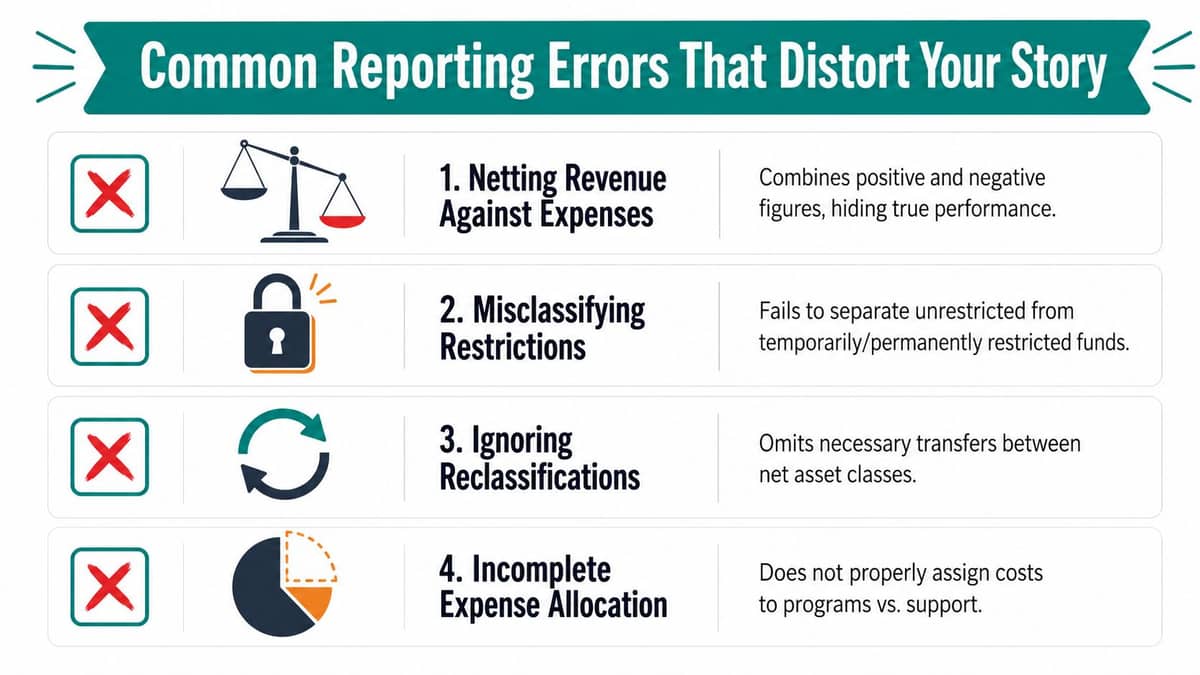
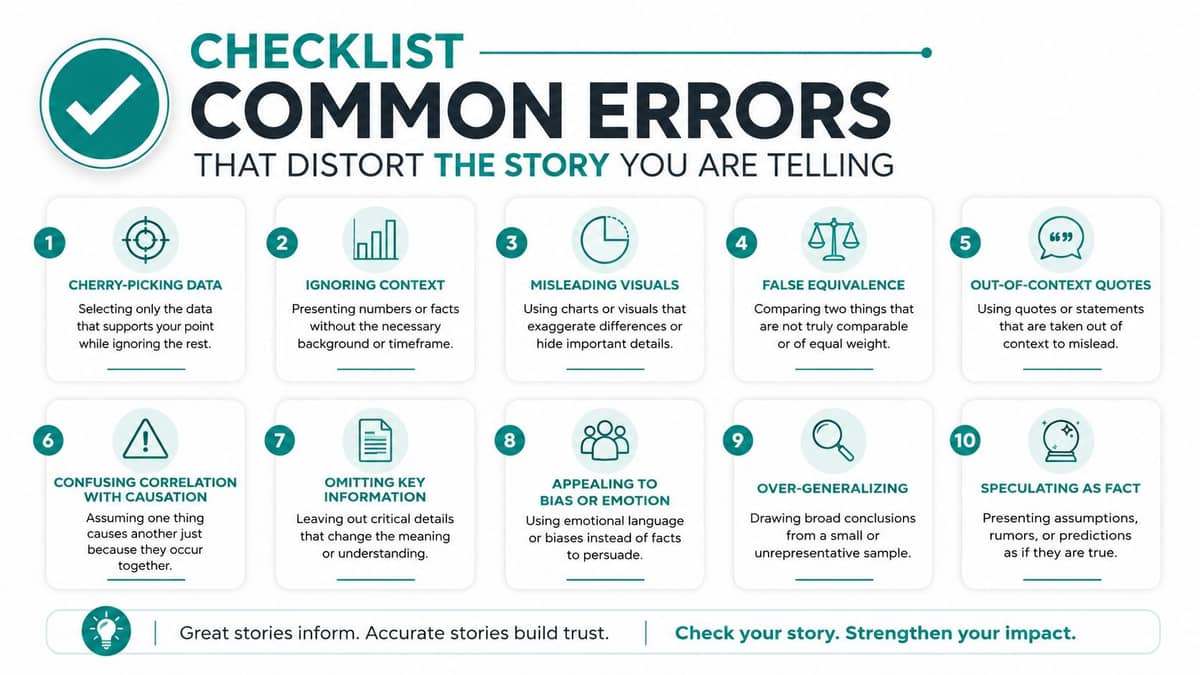
Most problems in this report start with classification, and classification shapes the whole story.
A board member can look at a polished bottom line and still miss what really happened if revenue and expenses were folded together. The report then hides the size of the activity, which makes it harder to judge mission performance and compare the organization with other charities that funders and Charity Navigator may be reading in the same way.
The mistakes that change the message
A common problem is leaving out reclassifications between restricted and unrestricted net assets. That can make donor intent look broader than it was, so the report no longer shows that the gift was tied to a specific purpose. Another issue is mixing program and management costs, which can make the organization look more mission-heavy or more overhead-heavy than the ledger supports.
A third mistake is to treat in-kind contributions casually, or to tuck fundraising costs into program categories. Each one shifts a different line of the story, and each one can make a clean-looking statement less reliable than a messy-looking one that classifies items accurately. That is the practical point funders look for, because the story in the statement should line up with the story in the notes and the return.
A quick self-audit you can run
Check whether restricted revenue stays separate until it is released. Check whether expenses are shown gross and by function. Check whether the report shows the total change in net assets and the split by class, as required under U.S. nonprofit GAAP and the reporting approach described in Clark Nuber reporting guidance.
If your board has to ask where fundraising ended and program began, your categories need work.
A clean system gives you more than tidy paperwork. It gives you a statement that people can read without a follow-up meeting, because the classifications already do part of the explaining. Well-designed journal entries create cleaner output all year, and a month-end close checklist helps keep that work organized so you are not rebuilding the report right before the meeting.
That matters even more if you manage grants alongside donor campaigns, because a public sector grant bid platform can track bid activity before the award ever reaches the books. Once the money lands, the accounting still has to show the restriction correctly.
Preparing the Statement Without Losing Your Weekend
The fastest way to prepare the statement is to work in order. First confirm the reporting period, then reconcile bank feeds, verify restricted balances, classify expenses by program and supporting function, post reclassifications, run the statement, and compare it with the prior period.
That process sounds manual because it often is. The pain gets worse when the accounting lives in one tool, donor records live in another, and the team keeps a third spreadsheet to explain restricted funds.
A practical workflow that holds up
If you manage grants alongside donor campaigns, a public sector grant bid platform can be useful for tracking bid activity before the award ever hits the books. Once the money lands, though, your finance team still needs the accounting system to recognize the restriction correctly.
That's where integrated platforms change the workload. AlignMint keeps restricted balances in true fund accounting, lets donor CRM data flow into revenue lines without exports, and gives you Minty to answer plain-English questions about your actual numbers. That kind of setup is a workable path for small teams that don't have a full finance department, because it reduces the number of places where the story can drift.
What to aim for
A clean statement should take hours, not weeks. If it keeps taking longer, the problem is usually structure, not effort.
The month-end close checklist in our month-end close resources can help you tighten that process before the board packet is due. Once the close is predictable, the statement becomes repeatable, which is what every time-poor executive director needs.
Putting It All Together and Your Next Move
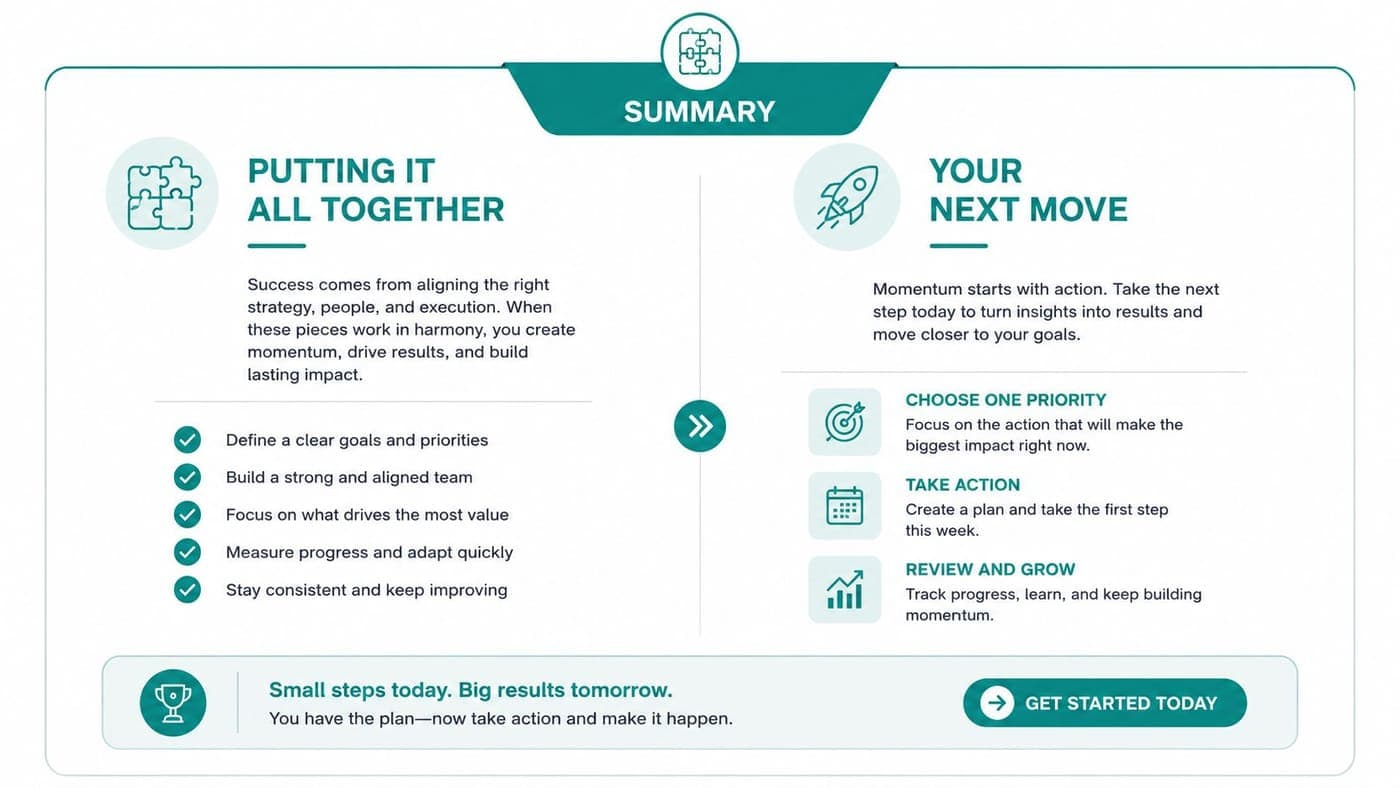
The value here is not just understanding one report. You now have a working definition, the required line items, the restricted-versus-unrestricted split, a sample mental model, a list of common errors, and a more efficient way to prepare the statement.
That knowledge pays off fast when you use it in the next board cycle. Reconcile this month's restricted balances, compare last quarter's statement with the benchmarks your funders care about, and run the self-audit before anyone else does. If you're planning a board fundraiser too, ideas from ideas for charity entertainment can help you think about the revenue side of the same stewardship story, because good events still need clean accounting behind them.
If you want a single workflow for the statement of activities, the Statement of Functional Expenses, and Form 990 prep, that's where AlignMint fits. It brings true fund accounting, donor management, volunteers, events, and marketing into one place, with a free tier for organizations raising under $100K and plan-based access with no per-seat fees. Visit AlignMint if you want to see how that looks in practice.
Ready to try AlignMint with your nonprofit?
Start free — set up donor tools, giving pages, and Minty. Upgrade when you need accounting.